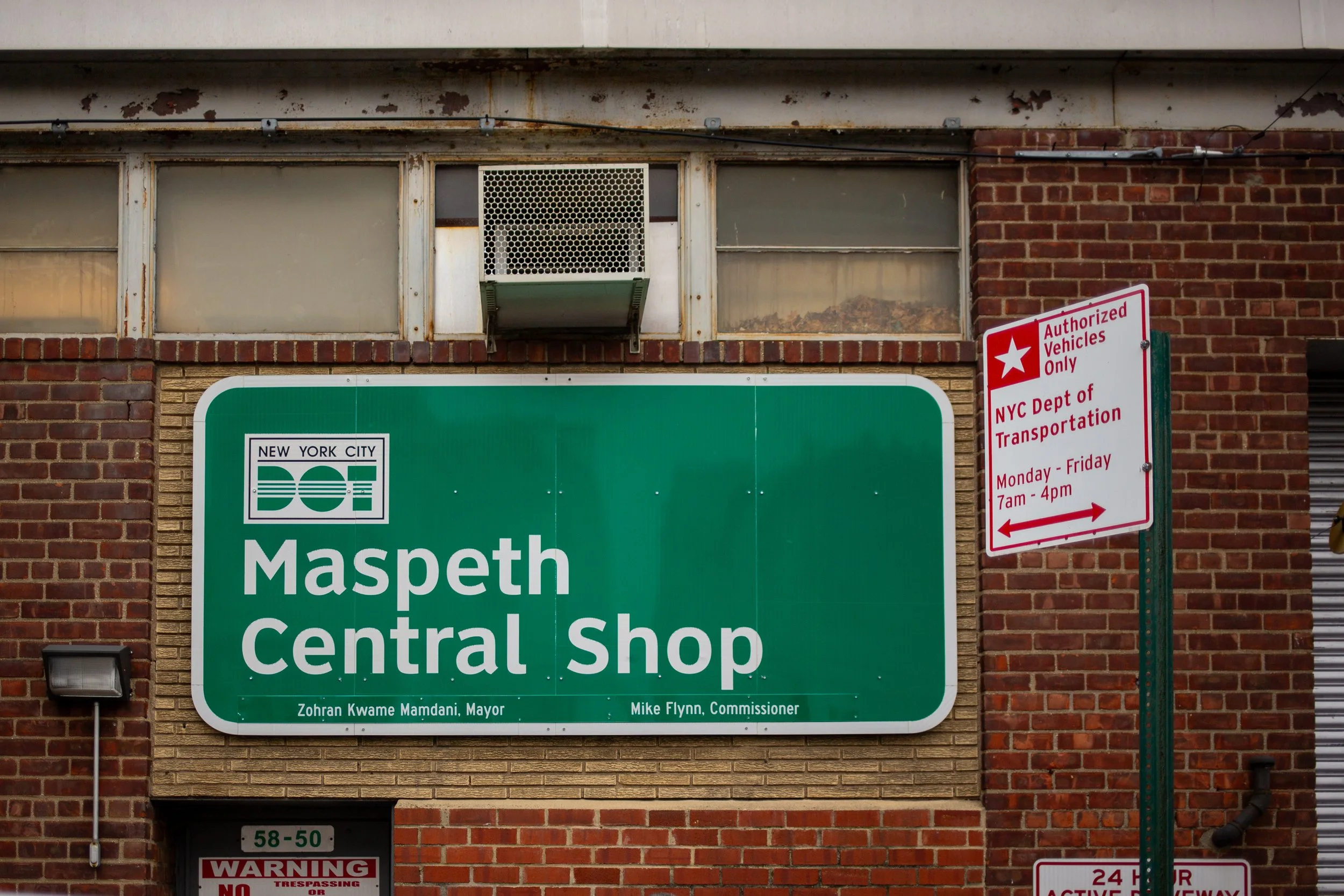
Early on a rainy Friday morning in mid-October, I’m on my way to join an Open House New York-sponsored tour of the Department of Transportation’s Sign Shop when I get a bit lost. My confusion is not the result of inadequate signage—but because of a notorious street numbering quirk in Queens. I’ve taken two trains and a bus from my home in upper Manhattan to Maspeth without incident; it’s not until I’m in the home stretch that I take a wrong turn onto 57th Drive instead of 57th Avenue, which is luckily, and inexplicably, only half a block away (and perpendicular to 59th Street and 58th Place).
Sandwiched between Bushwick and Jackson Heights, Maspeth has largely been spared the gentrification of its neighbors due in part to the difficulty it takes to get there if you aren’t arriving by bus, car, or semi. As a result, the neighborhood remains largely industrial in a way that feels anachronistic when compared to the soulless, glittering tech towers that have been replacing remaining vestiges of working-class New York for decades.
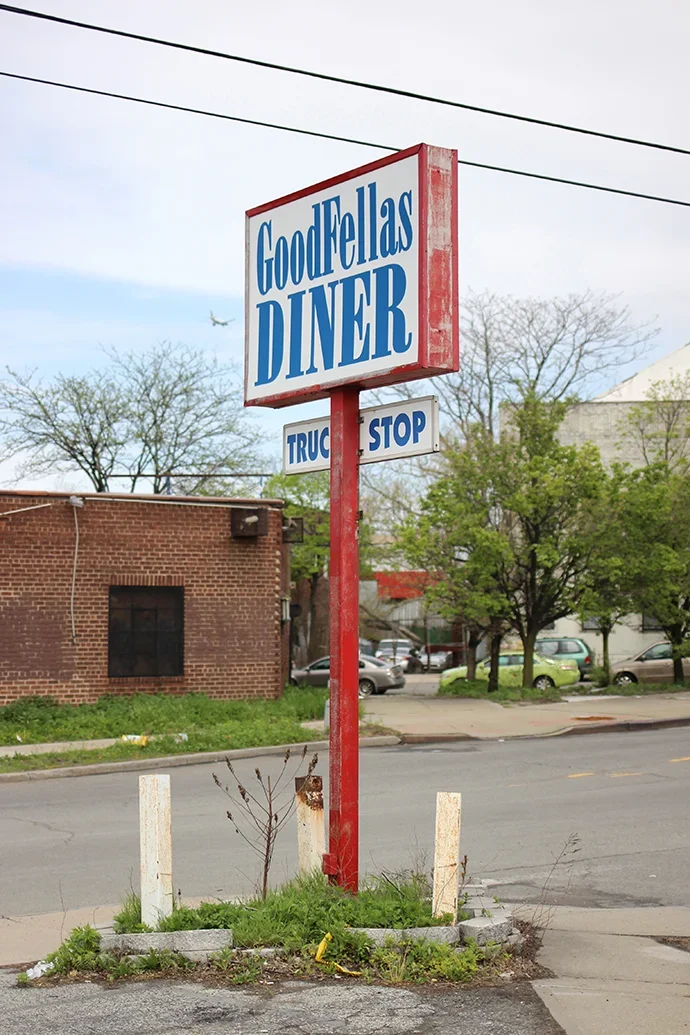
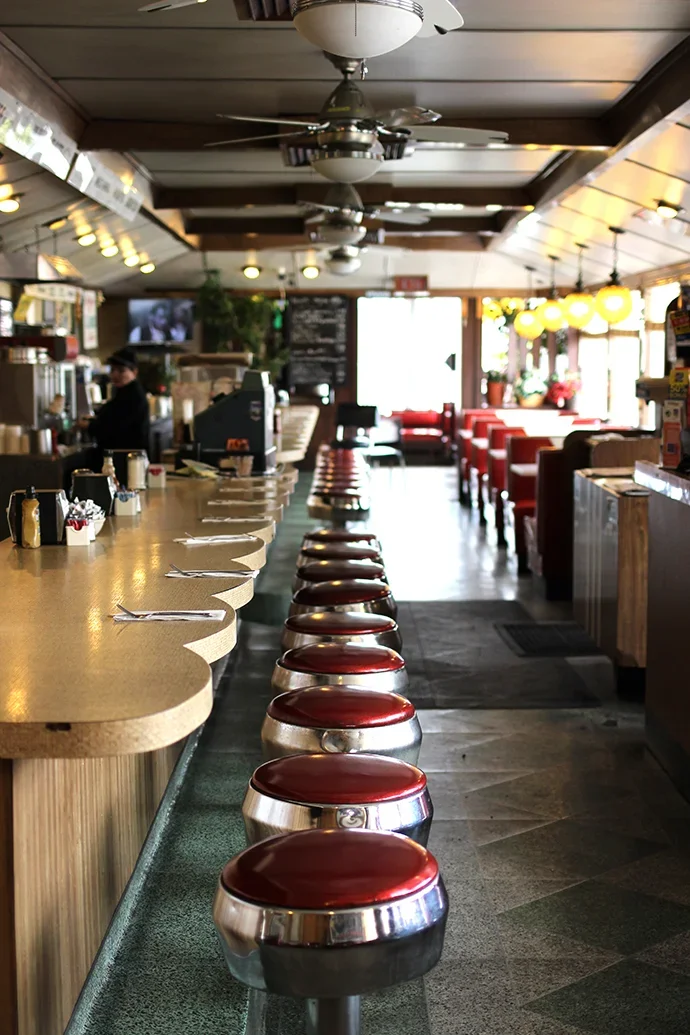
(A special RIP to the Goodfellas Diner, located just two blocks from the sign shop, which was not razed for a luxury condo but closed due to a fire in 2018.)
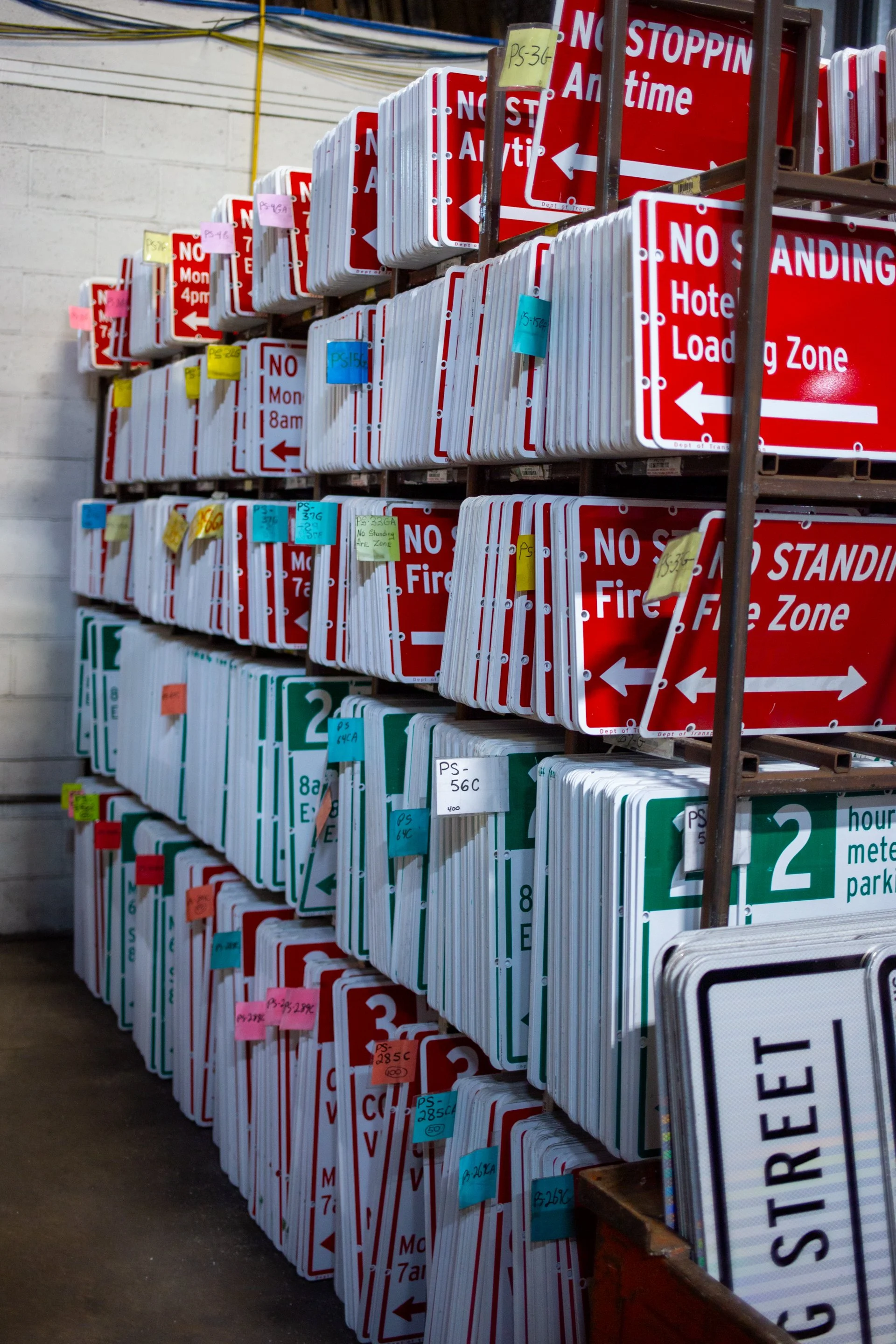
Maspeth’s reliance on above-ground transportation (and a proliferation of warehouses) makes it the fitting place of origin for the more than 70,000 street signs that are produced in New York City each year. With a small-but-nimble staff of just under 50 employees, the DOT’s Sign Shop is also responsible for maintaining approximately one million signs currently serving out their useful lives on street corners, at intersections, and above roadways across the five boroughs.
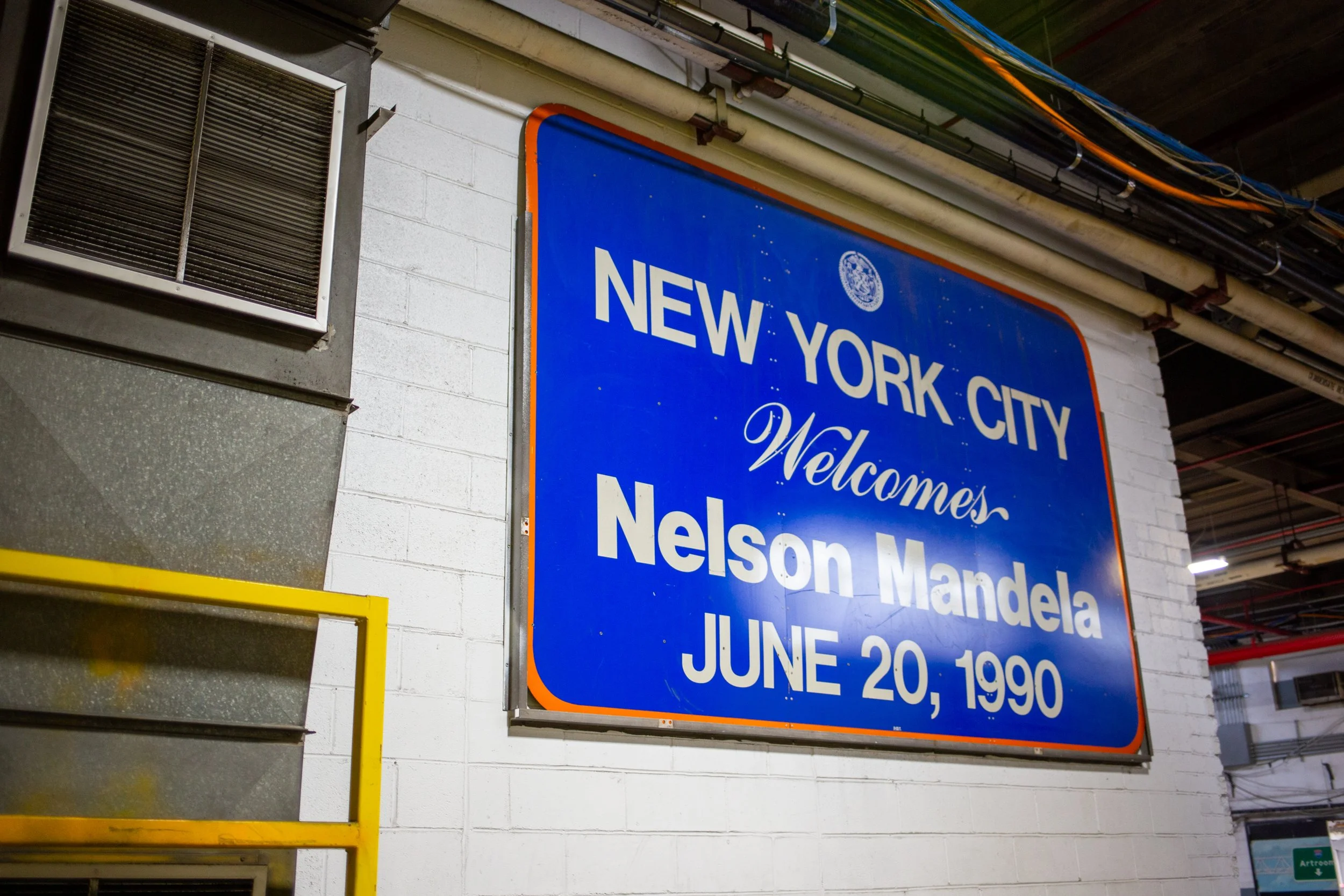
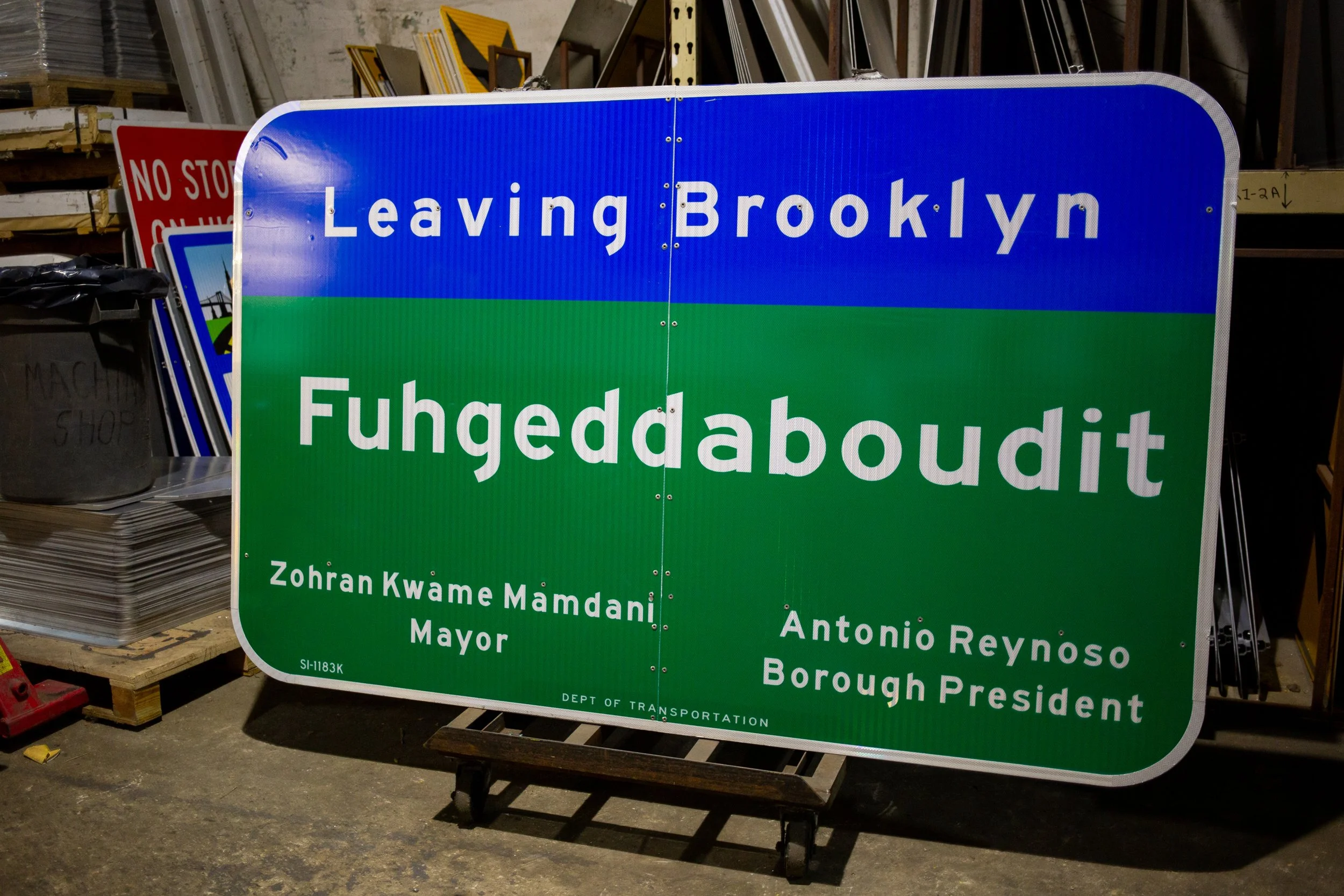
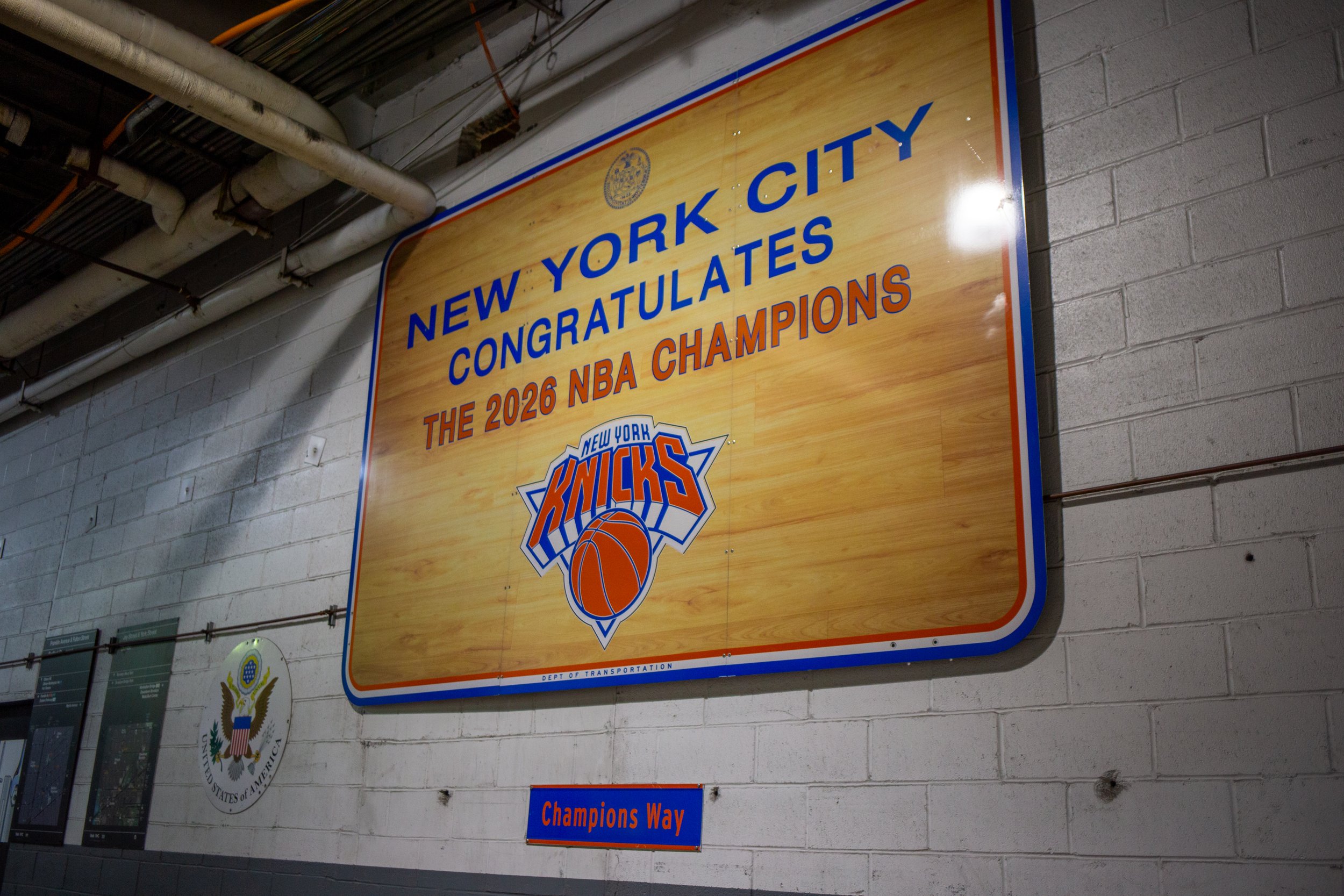
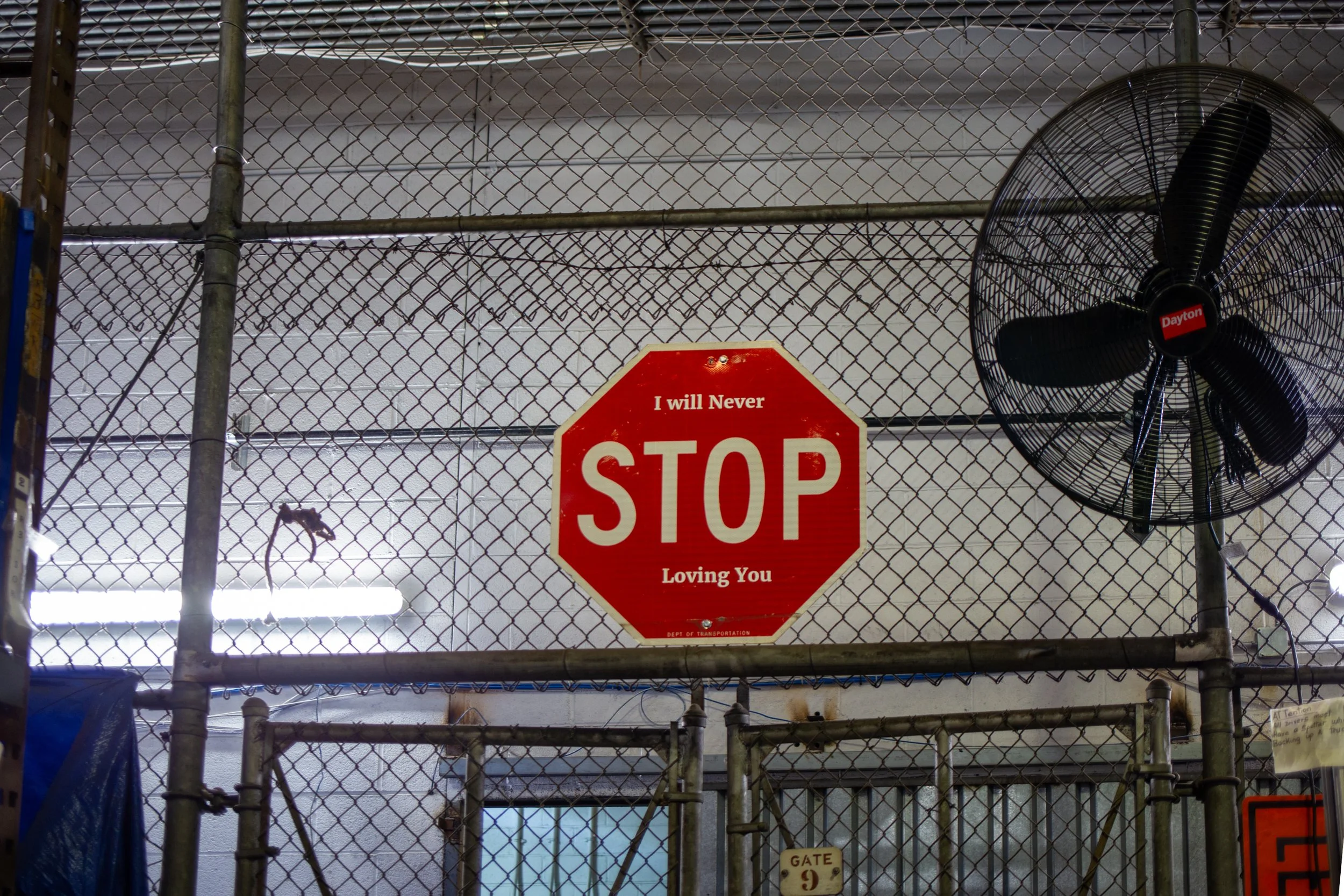
From the ubiquitous green rectangles (or brown, if it’s a historic district) that designate individual streets, to special edition signs commemorating historic events like the 2026 Knicks championship or a 1990 visit by Nelson Mandela, to the classic, cherry-red, hexagonal STOP sign, every piece of the city’s modern-day wayfinding can trace its humble beginnings to an unassuming brick building located around the corner from Eddie’s Pickle Works. The shop does not hold regular tours, but two slots were offered on this year’s Open House New York (OHNY) list for the first time since the pandemic.
OHNY—occurring annually and spanning three days in mid-October—is a wonderland for nosy nerds interested in architecture, city planning, or behind-the-scenes tours (I love all three, so OHNY is my Superbowl). This year’s lineup featured more than 300 destinations spread across the city; some museums, parks, or historic homes are free and open to drop-ins, while others require free- or low-cost tickets reserved a few weeks in advance. The OHNY programming each year is varied and always spectacular—the only downside is that it can be highly competitive (few things aren’t in a city of more than 8 million people, but unlike most viral desserts, OHNY events are usually worth the effort it can take to secure a spot).
In the past, I’ve toured the TWA Flight Center and the Four Seasons restaurant (before they were both renovated and/or dismantled), the Department of Sanitation’s Treasures in the Trash collection, LaGuardia’s Marine Air Terminal, and the Little Red Lighthouse. This year, I was prepared for the ticket drop with several tabs open on my laptop and a determination to get at least one of my top choices. I ended up with tickets to two (the sign shop and Staten Island’s Freshkills Park) but within seconds I was relegated to 6,000th place in queues for several other destinations (tickets for which I obviously did not get).
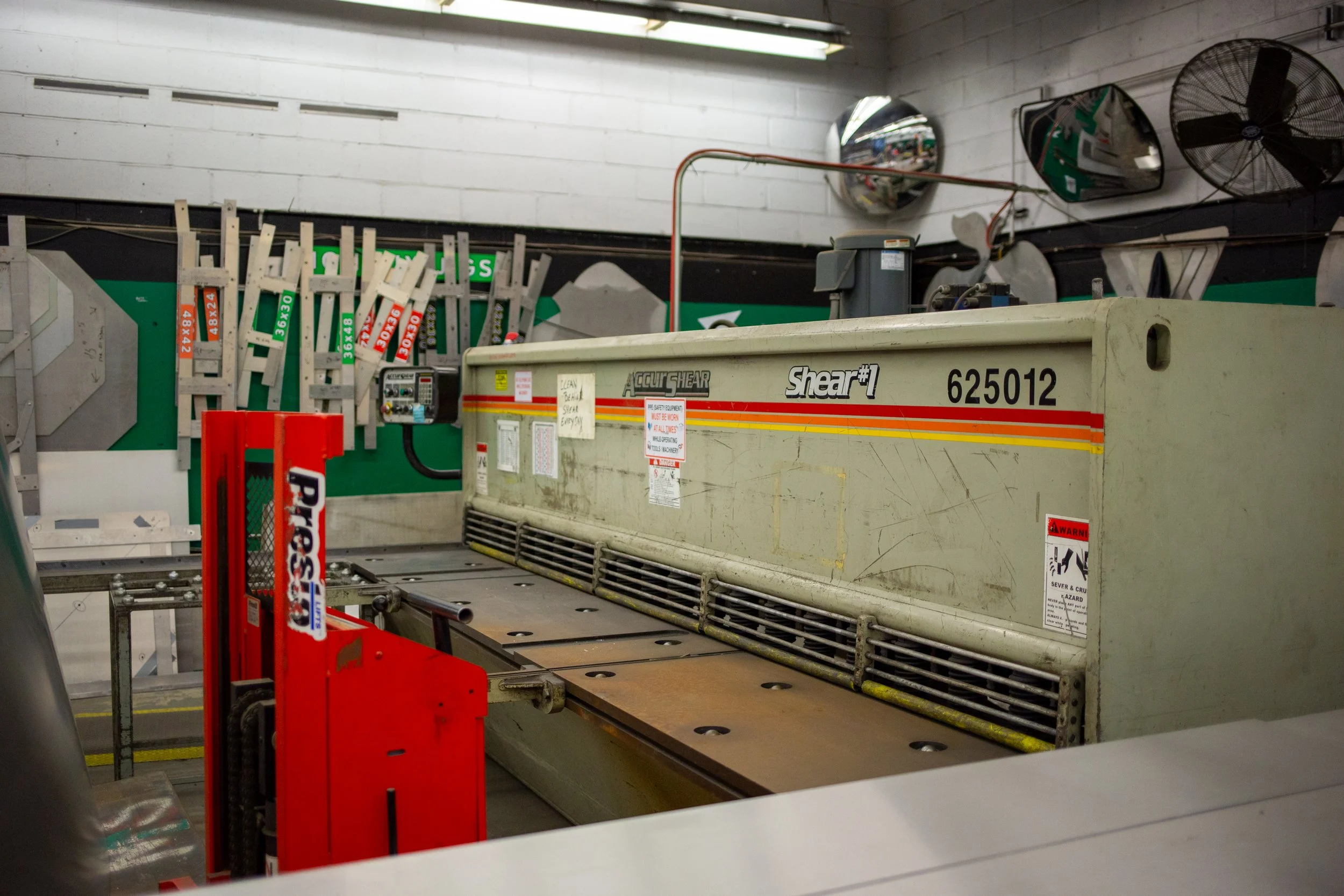
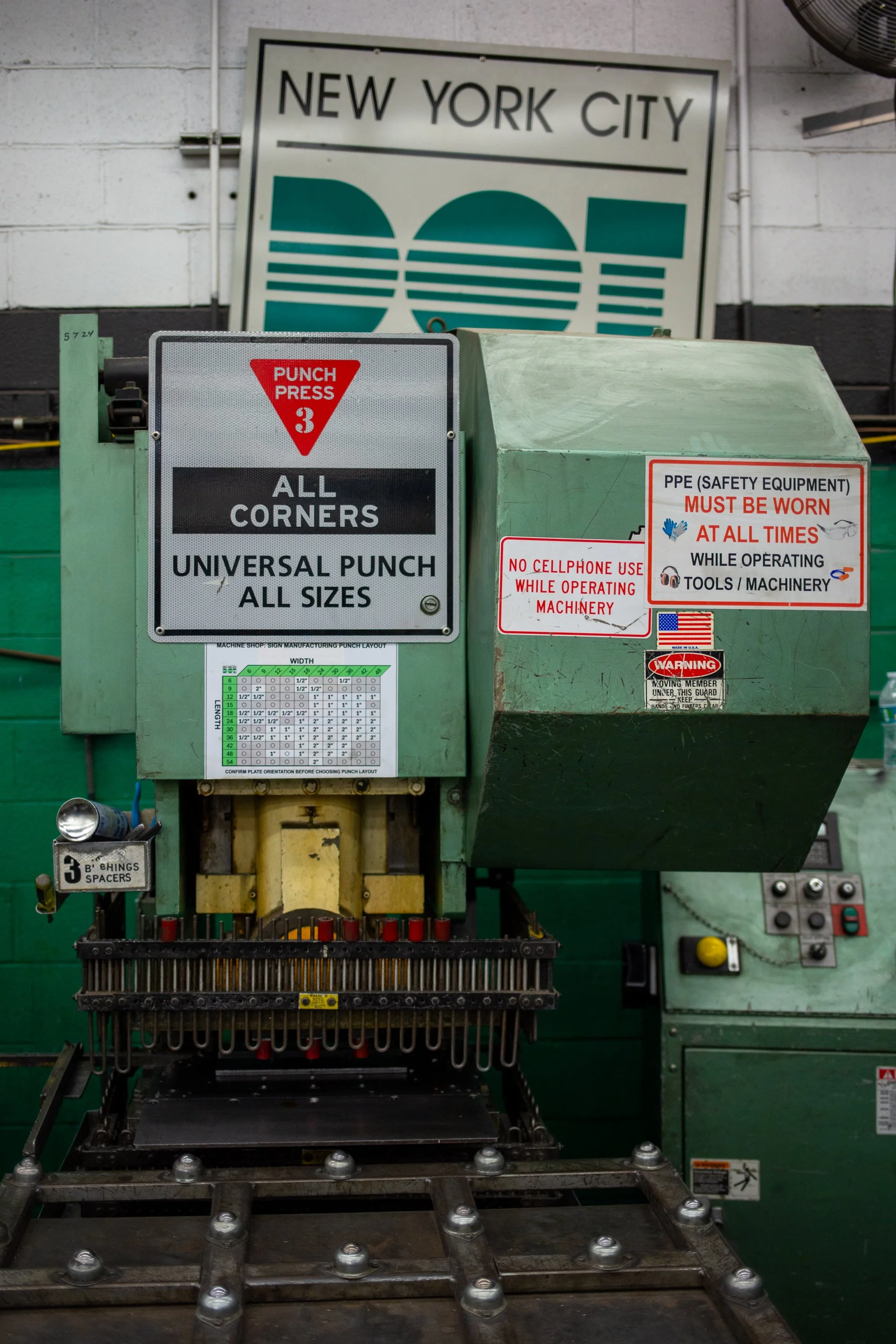
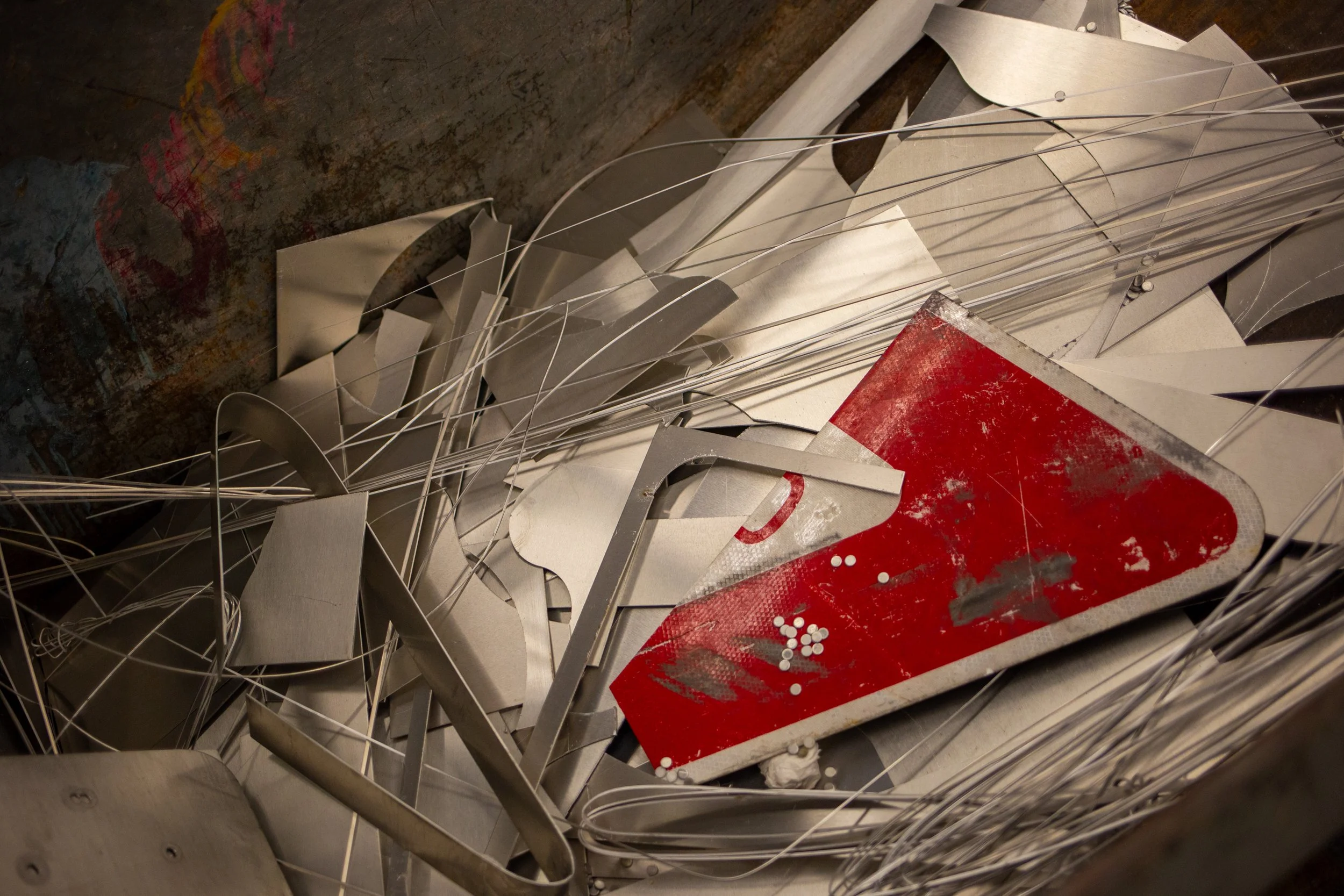
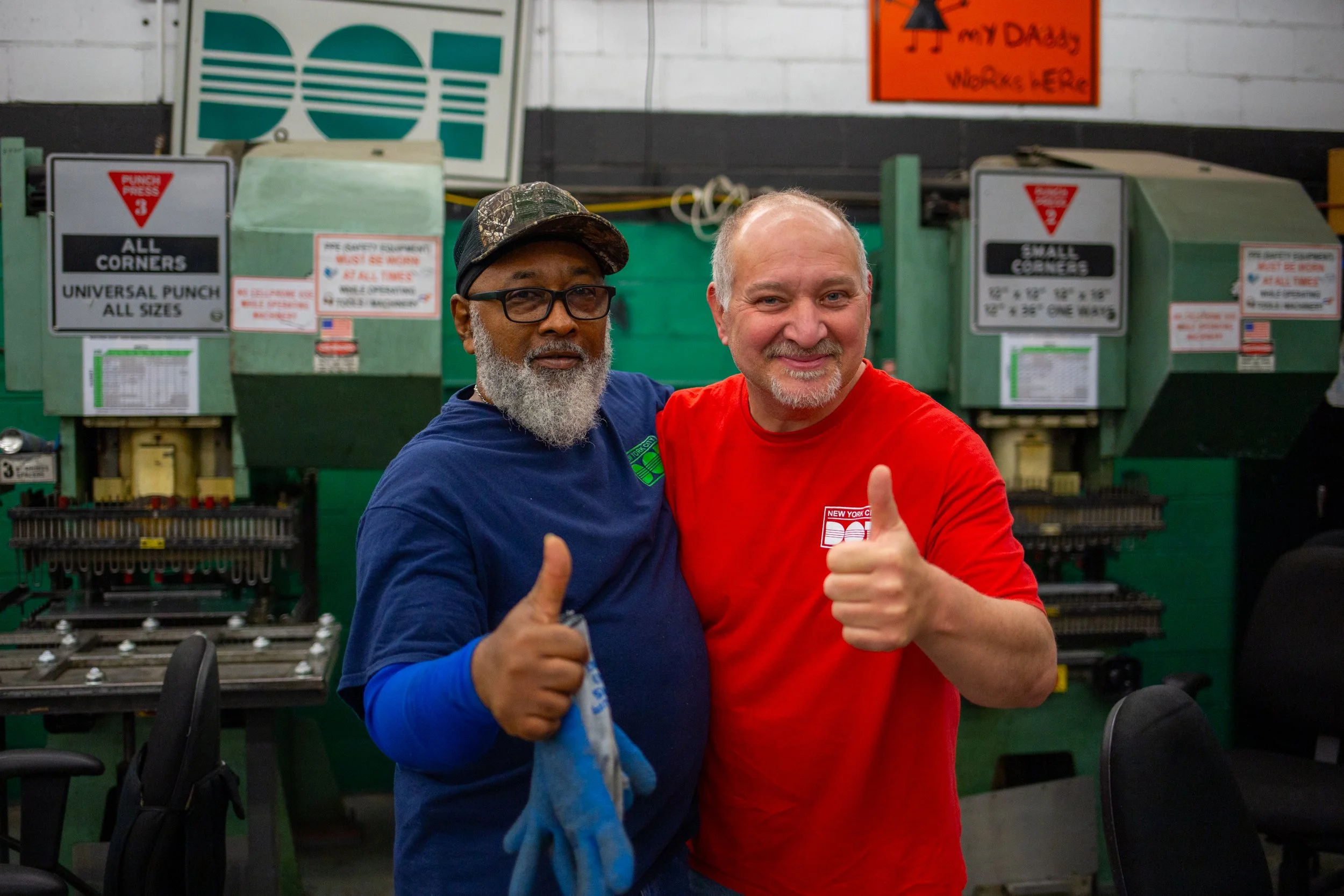
Over the course of the 2-hour shop tour, our group was privy to all steps in the sign-making process. Every sign—big or small—begins as a sheet of unassuming aluminum (of varying weights depending on the sign’s destination). For our first demonstration, Marlon Sealy feeds a sheet into a metal shear and several smaller pieces emerge—eliciting a chorus of “oohs” and “aahs” from my fellow signage nerds.
Sealy told The New York Times that he liked making signs that helped people move around the city. “I’m indirectly providing a service to everyone,” he said. “Me too, when I’m lost.”
He passes one of the blanks to a co-worker who is standing by one of several hulking, 1960s-era metal punches; he explains that since it is nearly impossible to predict what conditions installers will run into on any particular site, several holes are made to accommodate different placements. Signs are hung at approximately 84” (seven feet) off the ground, a height determined to clear most obstacles and deter human interference.
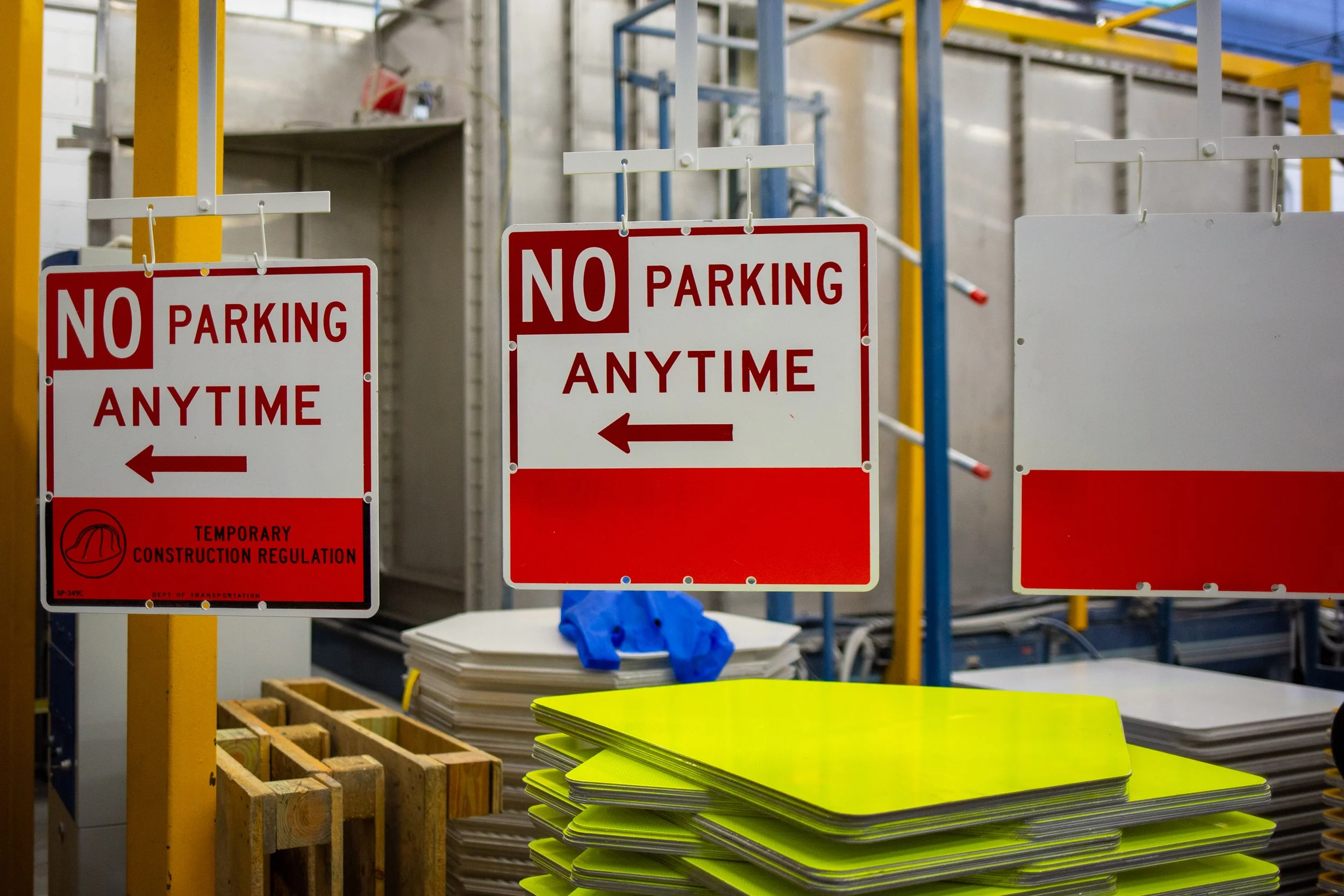
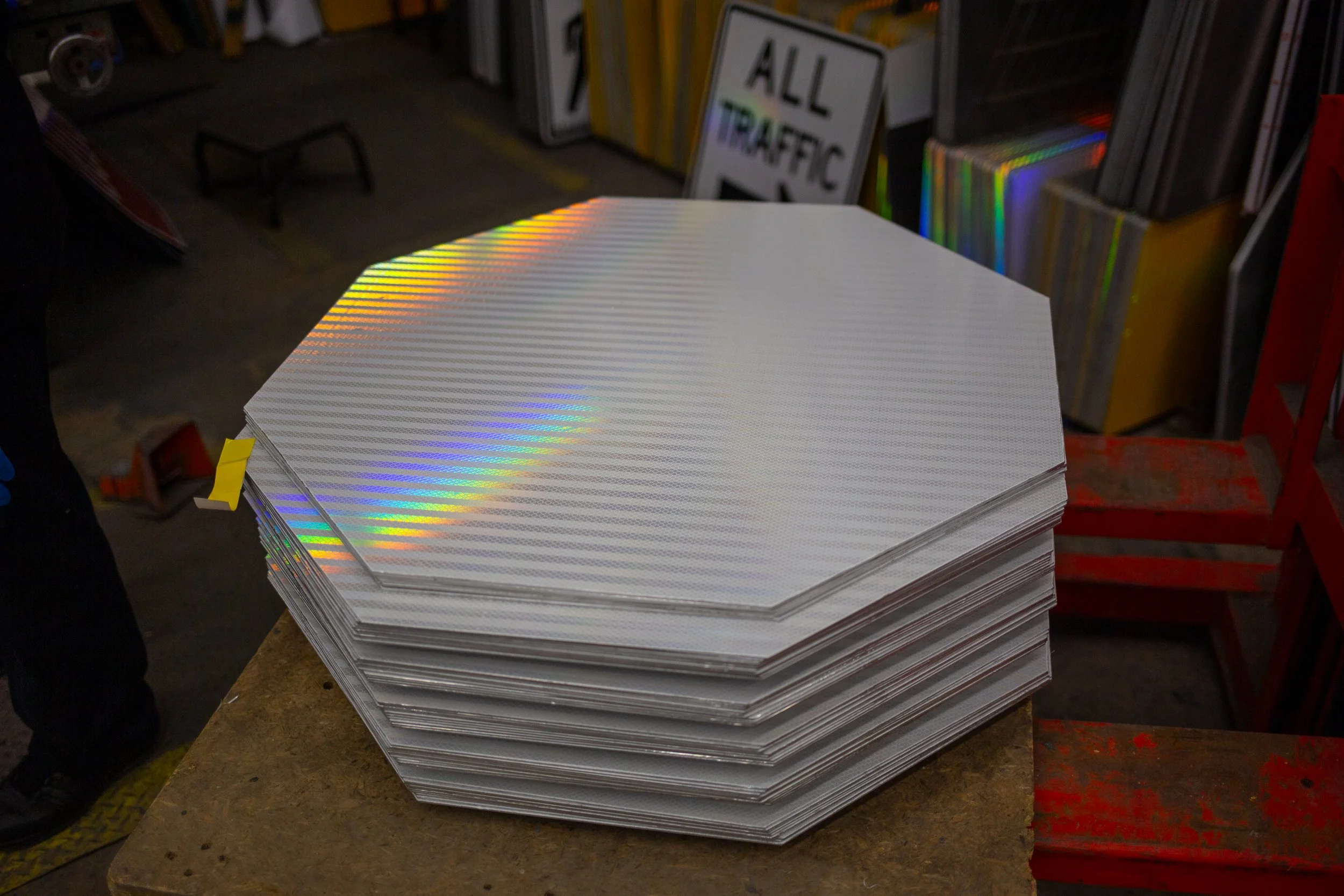
It’s an inexact science: Signs are regularly damaged—on purpose or by accident—and either repaired or replaced by the shop. Residents who notice that a sign in their neighborhood needs attention should call 311. STOP sign inquiries are treated most urgently, with a 3-business-day (or less) turnaround. (Proving their importance, we were told that sometimes accidents occur during the brief time it takes to remove a damaged sign and erect a new one).
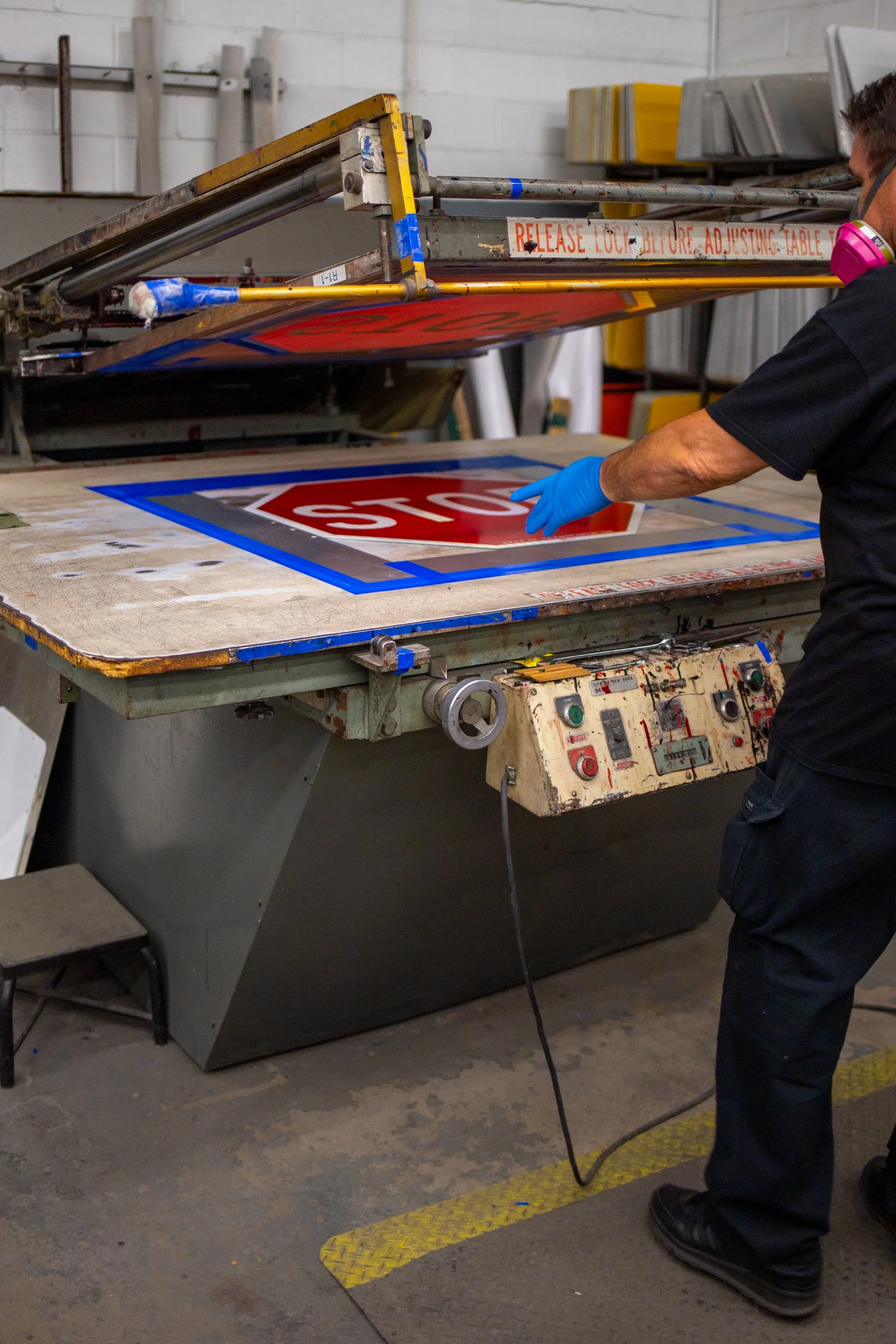
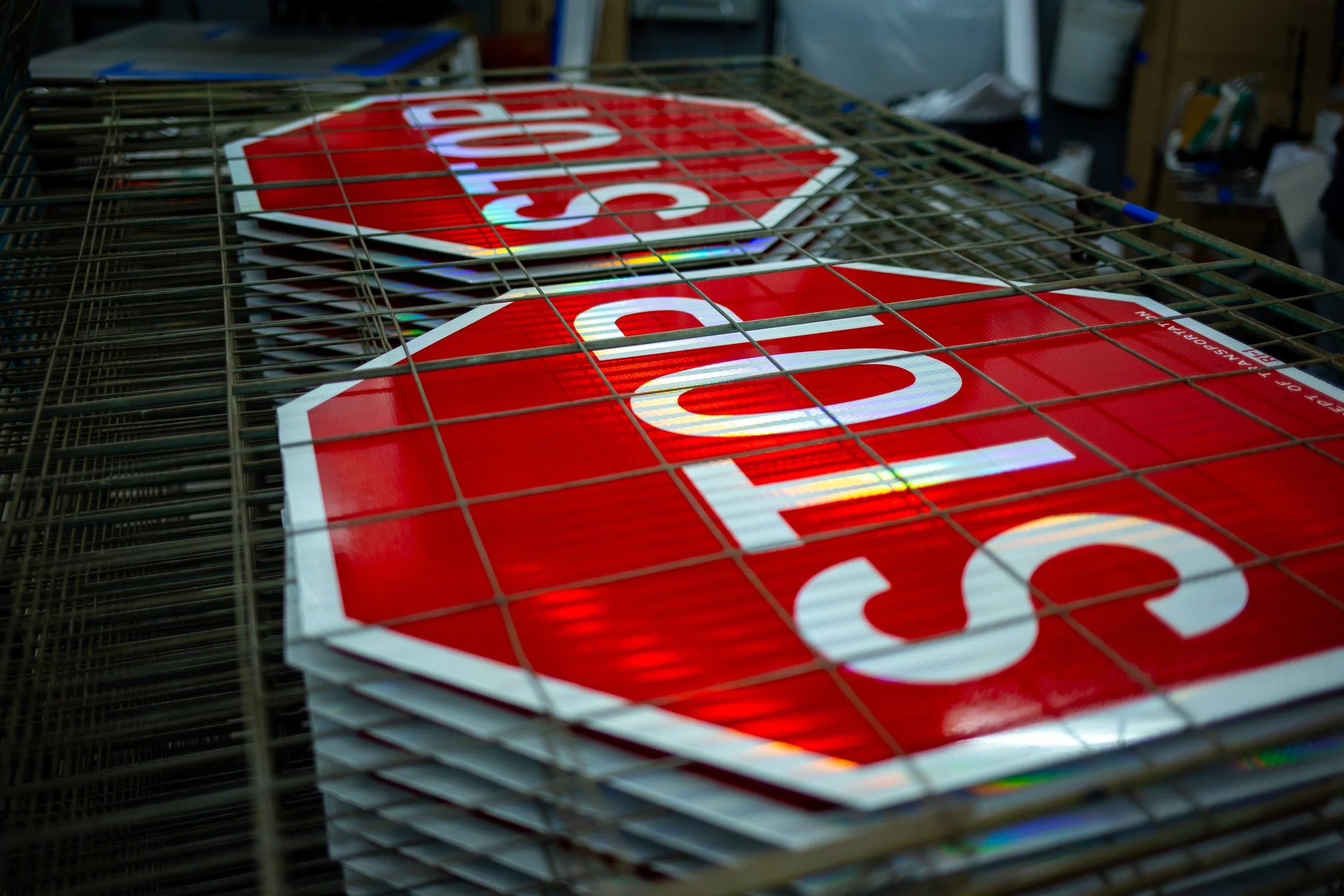
The punched aluminum truly becomes a sign via one of several processes: STOP signs are screenprinted; specific parking and loading zone sign instructions are cut from vinyl; and rectangular street name signs are essentially a big (very sticky) sticker made from a proprietary reflective material made to withstand (but not outlast) the city’s manmade chaos and natural climate.
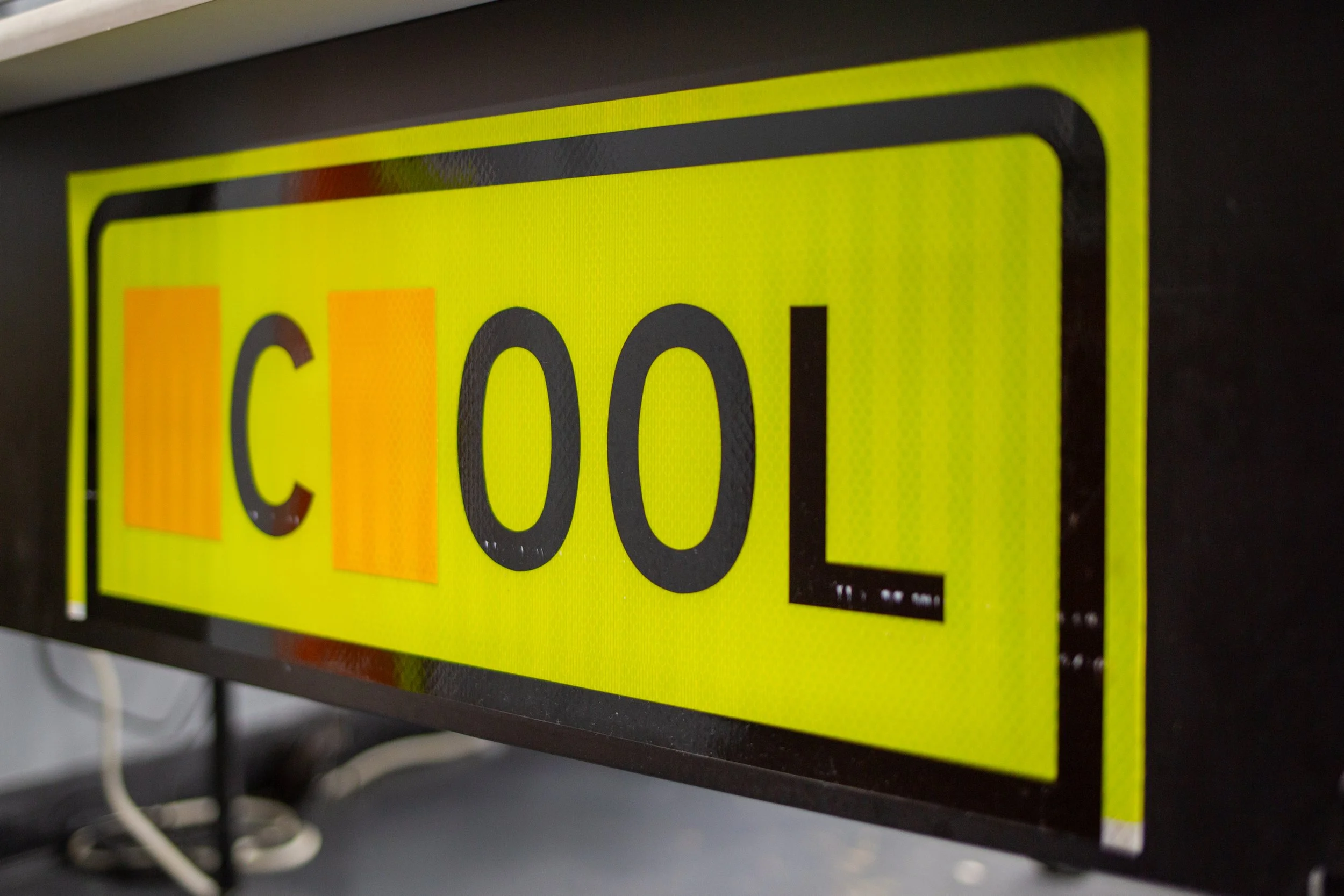
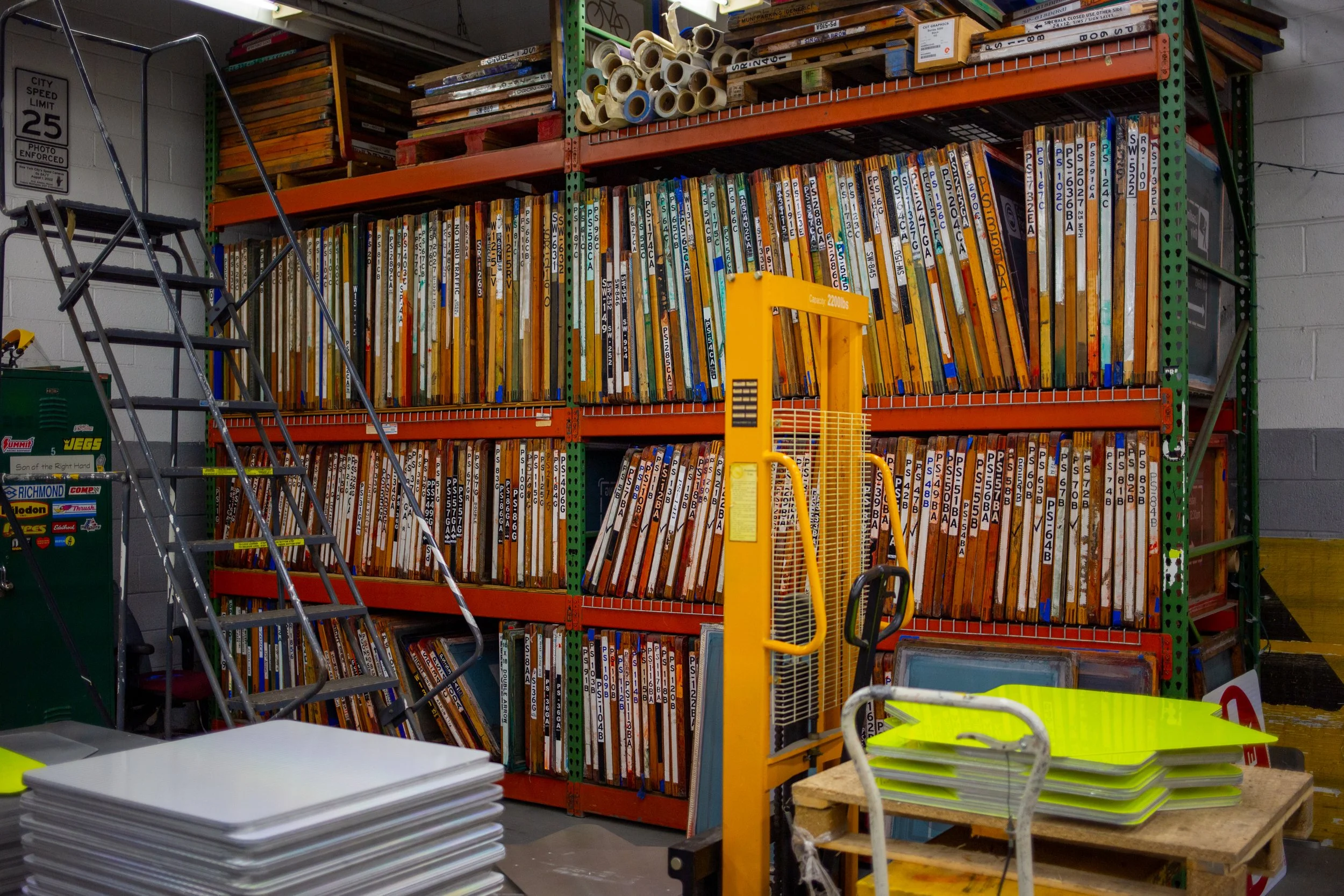
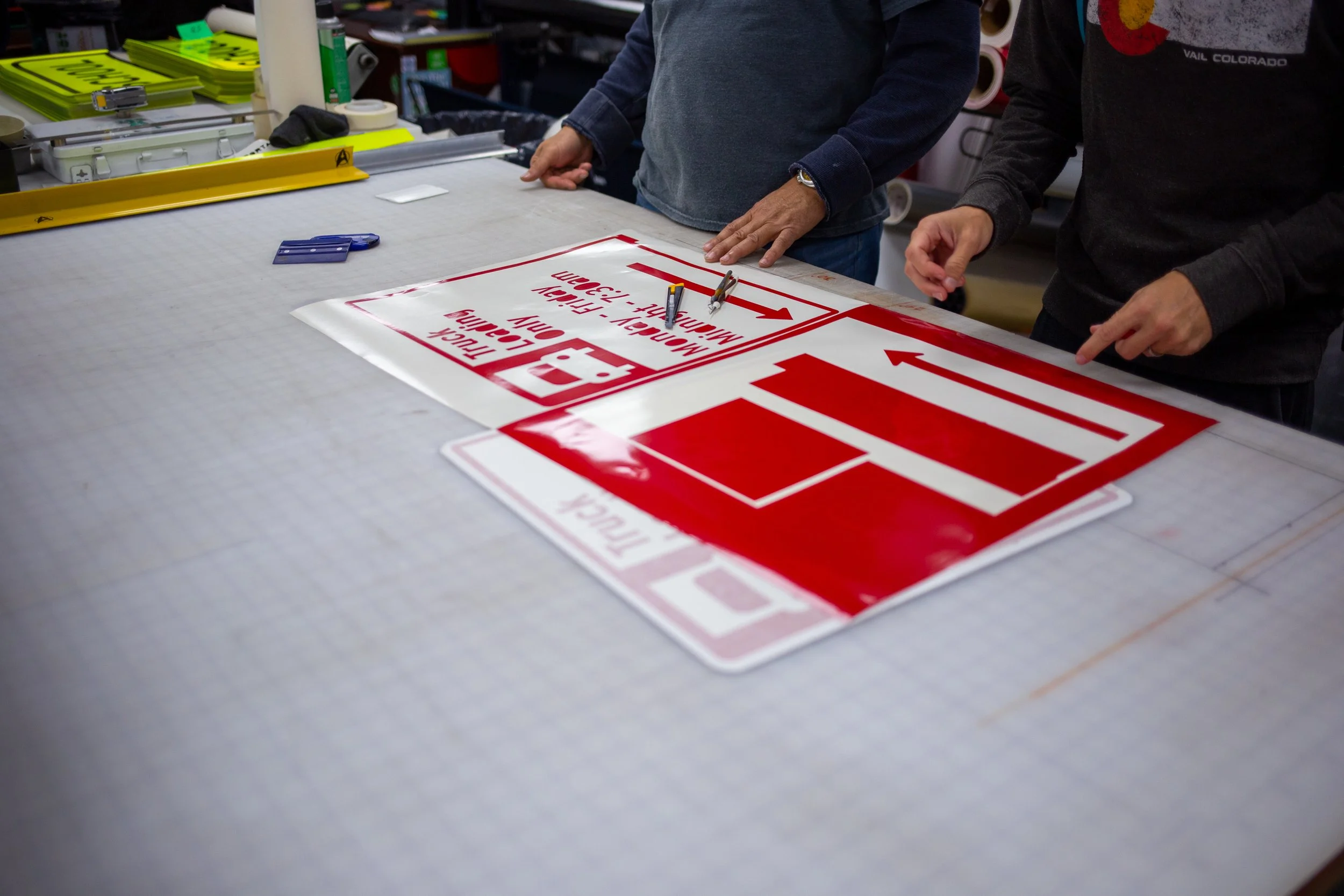
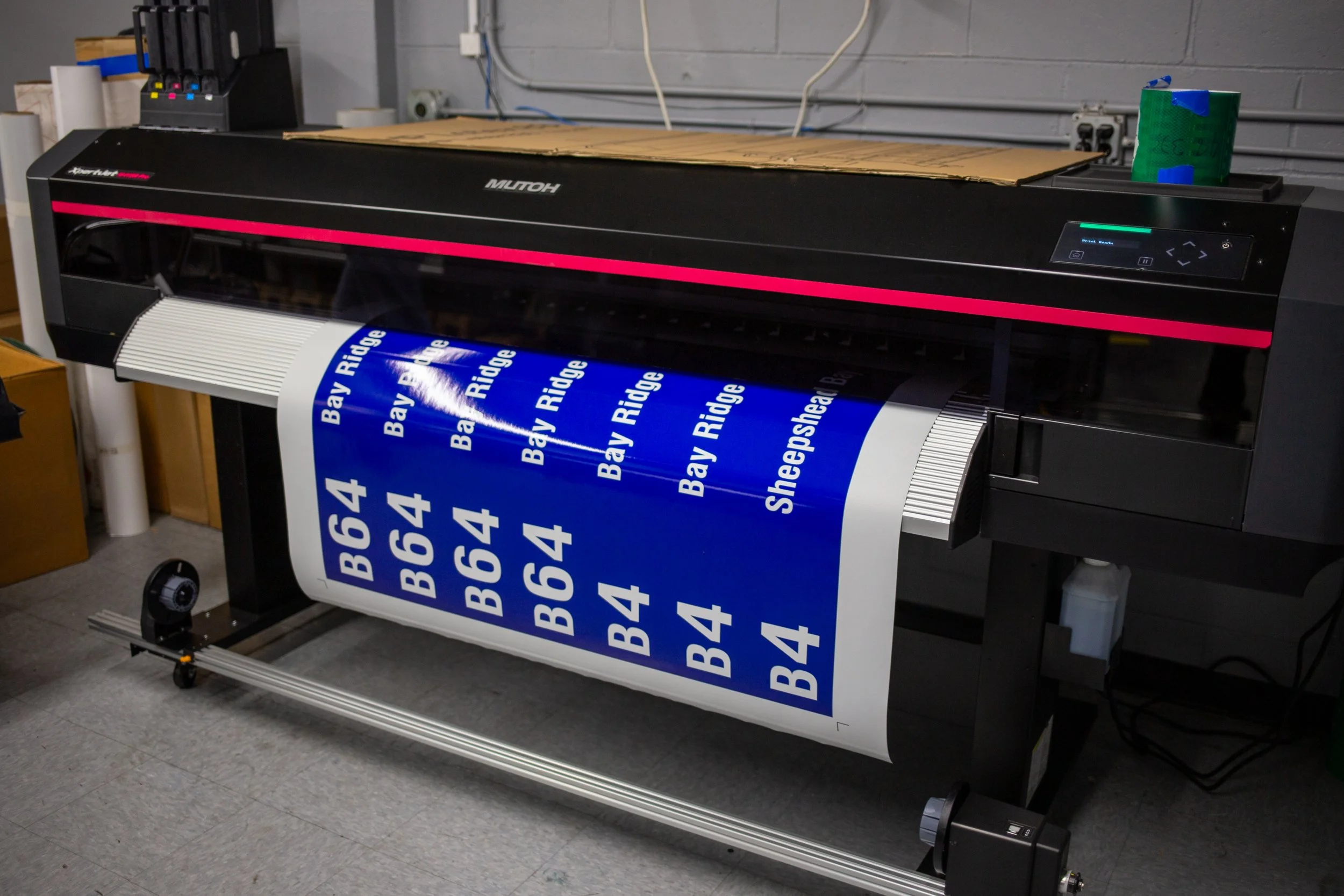
A lot of the finishing touches happen in the artroom, which is home to several letterers and designers. They are adept at excavating microscopic letters from temperamental vinyl with sharp blades and an exacting eye for detail.
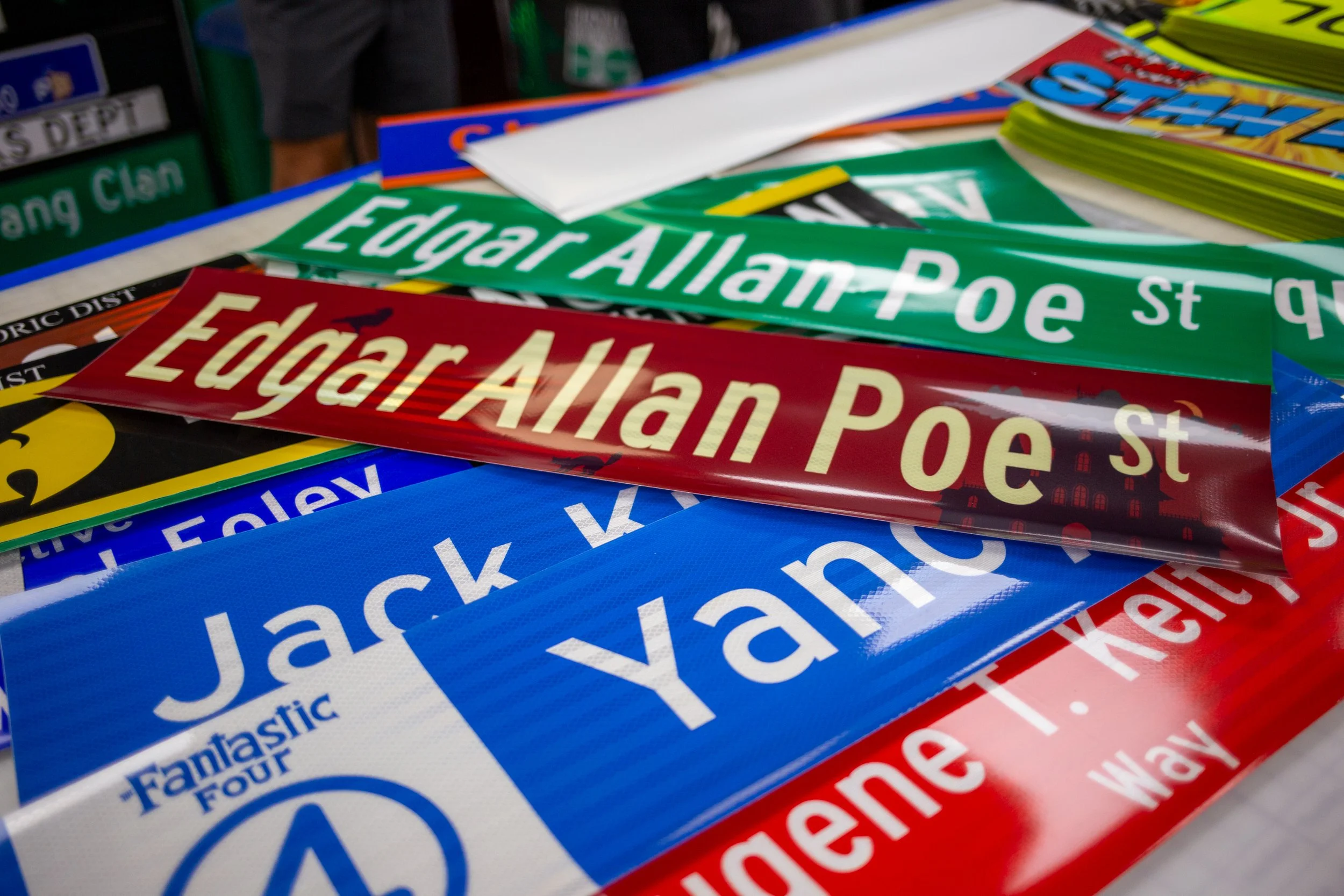
The DOT releases (very) limited batches of signs commemorating events, pop culture touchstones, or for holidays—most recently blue and orange “Champion’s Way” signs for the Knicks and an Edgar Allan Poe Street Halloween release, both of which sold out immediately. You can make a suggestion for future drops—or even design your own for $100, if you don’t mind schlepping to Maspeth to pick it up.
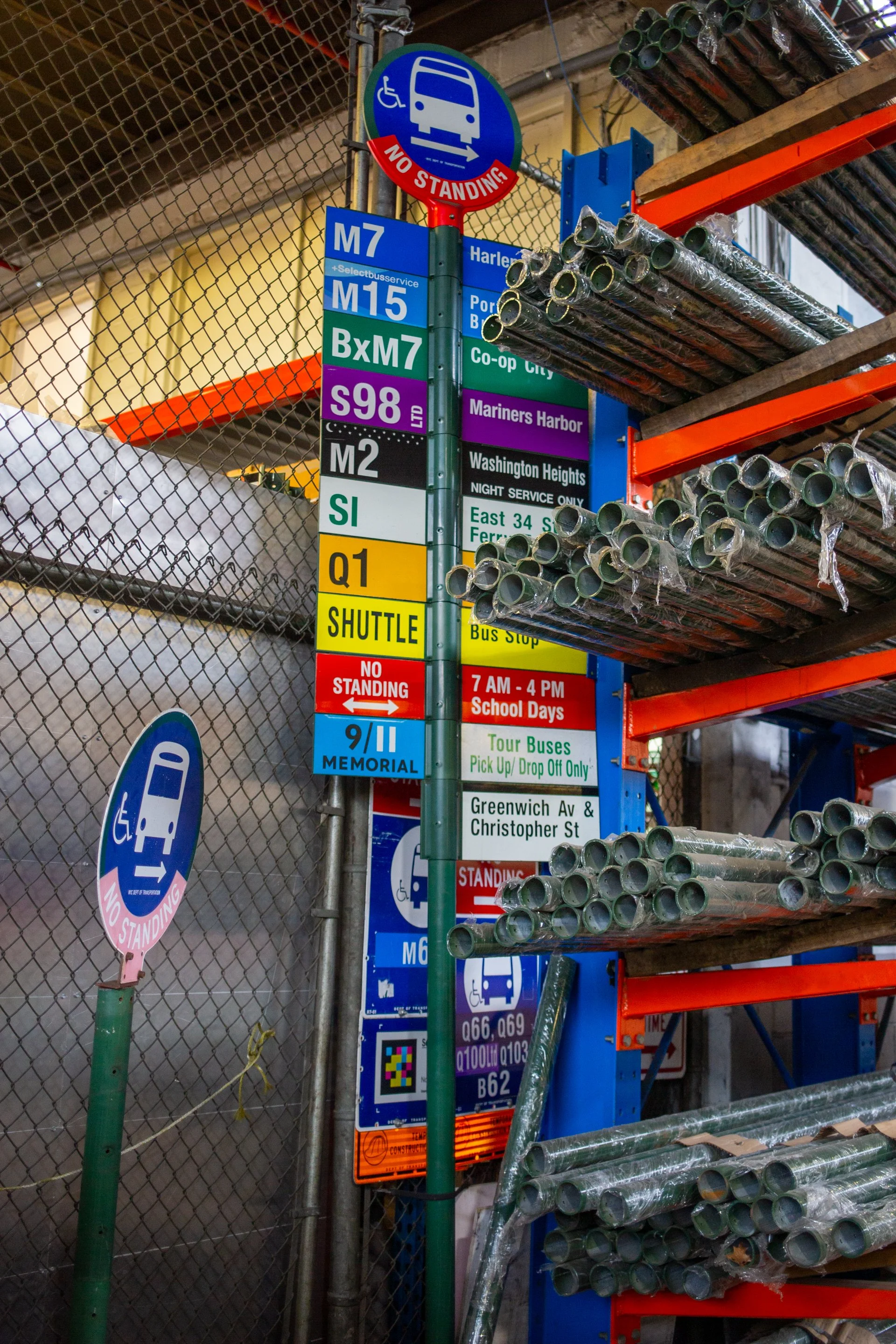
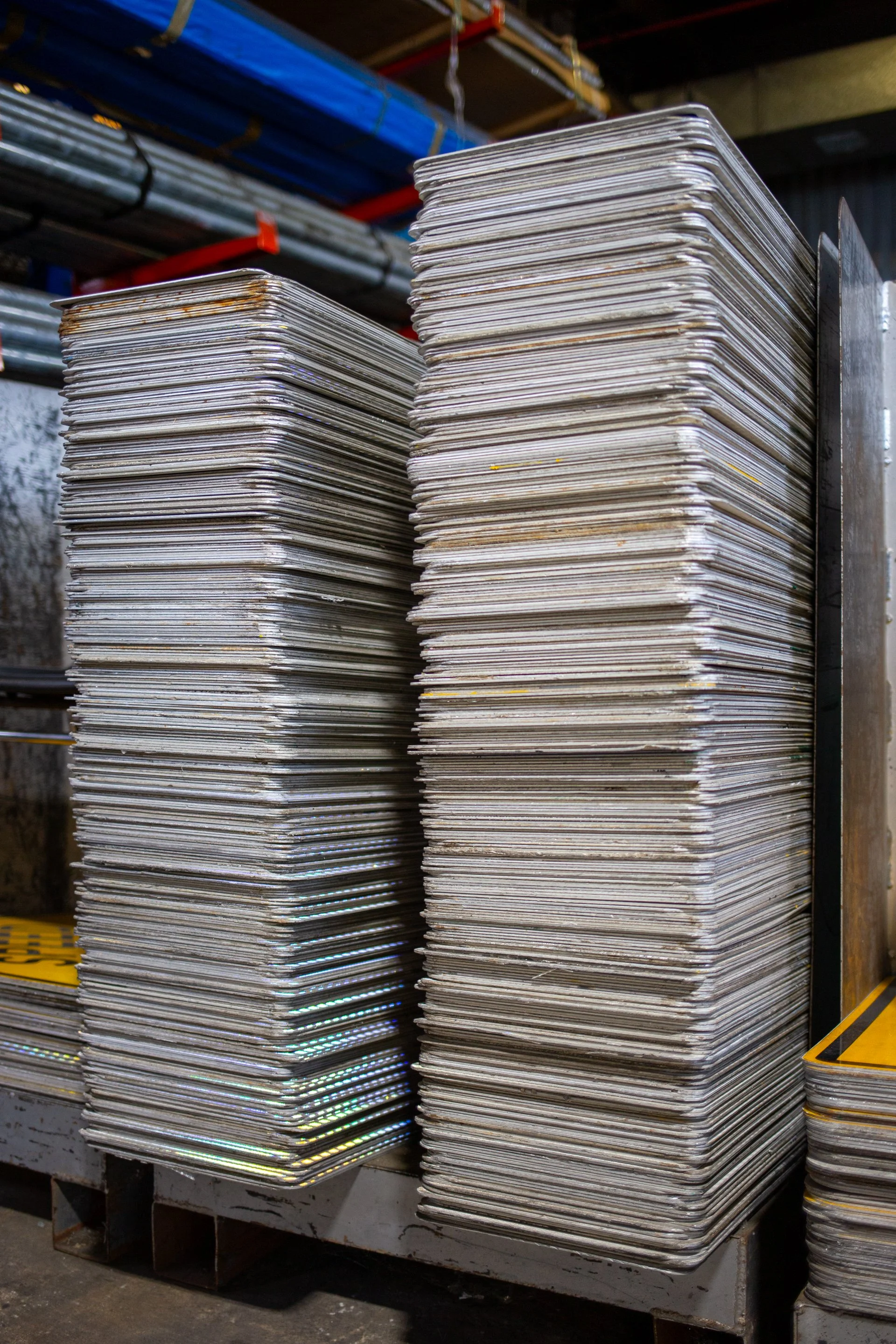
Everything we see in production is larger than I think it should be, an optical illusion that occurs anytime you see something up close that you’re only used to seeing far (or at least 84”) away. I’m also surprised how much of the process is done by hand. Sure the hulking shears, punches, and presses do a lot of the work, but at the beginning and end of each machine is a pair (or several) of very real human hands to keep everything moving smoothly.
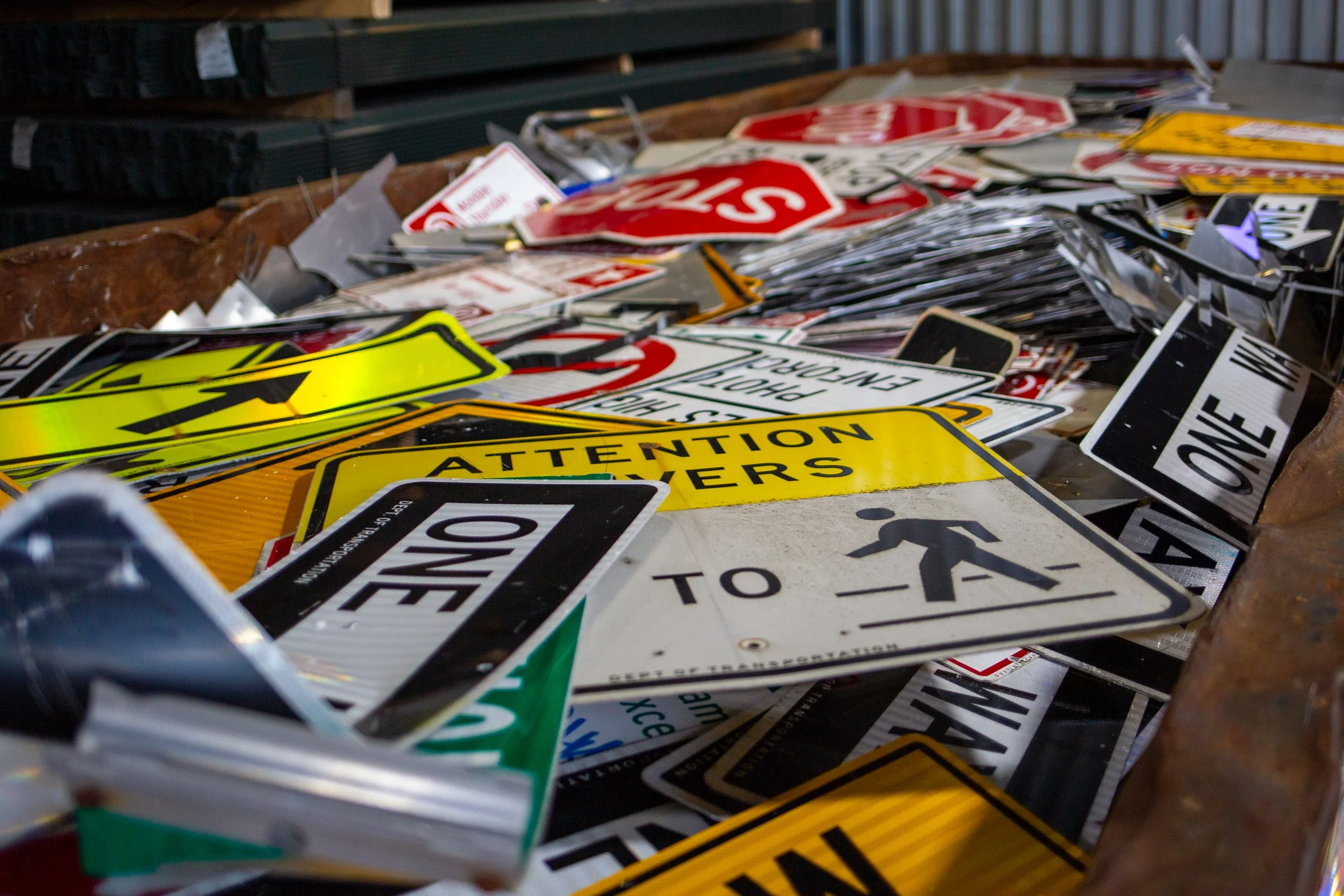
My favorite—and most frustrating—part of the tour comes at the end. Signs that are damaged, in the field or otherwise, end up piled on top of one another in a Dumpster, awaiting their next phase. It’s painful to see so many beautiful signs (most of which were only slightly damaged) bound for a recycling facility instead of my apartment walls, but it’s also heartening to know they will be reincarnated as a blank slate, shiny and new again, ready to begin the process of being useful all over again.
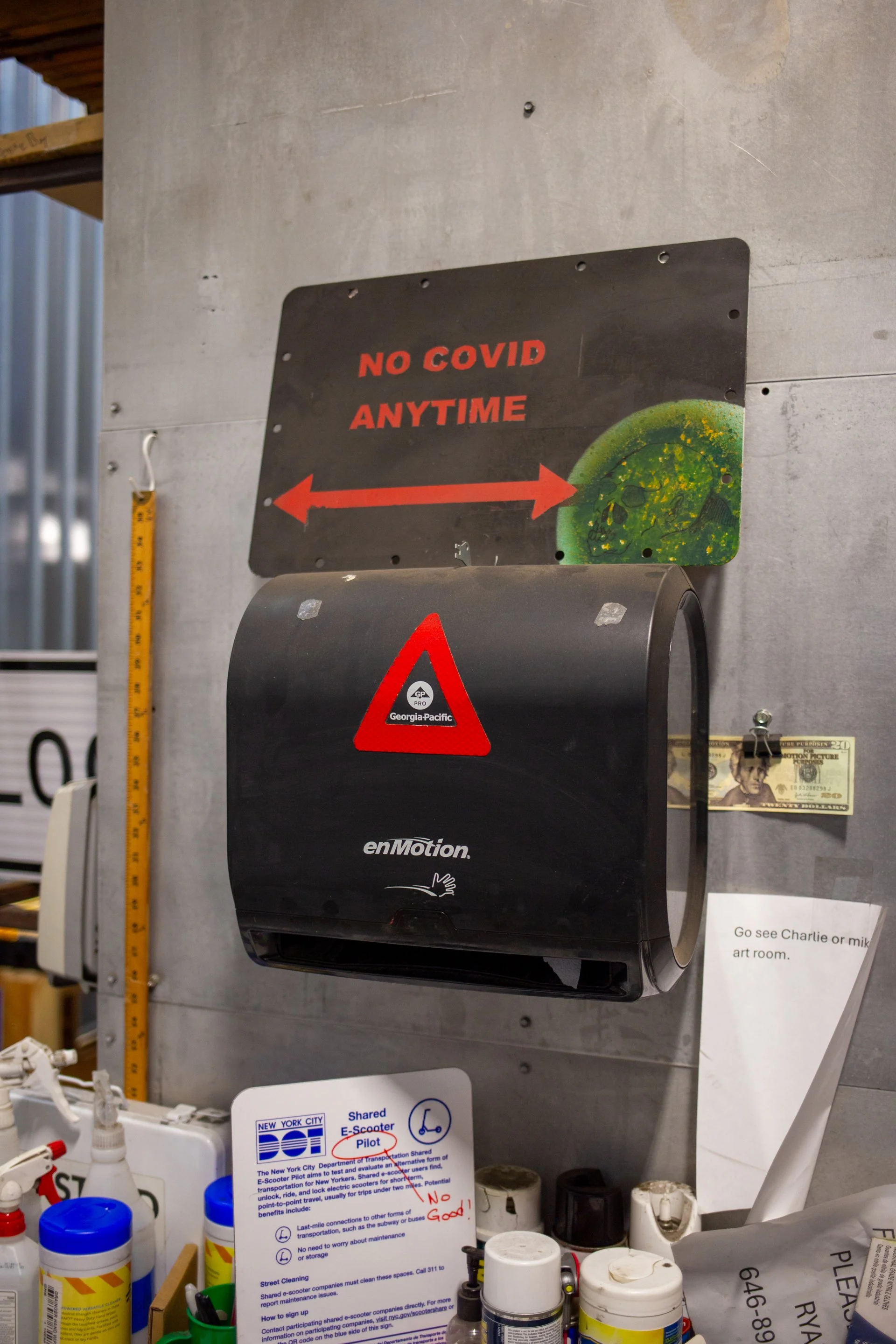
Sometimes, it’s not advisable to shatter the illusion and see how the sausage is made, but I leave the sign shop with a new appreciation for the million+ pieces of aluminum that both blur into the background of the cityscape while also—if it’s a successful sign—helping us sort through the chaos, organize the huddled masses, and keep us all safe.
Before our tour moves on from the shear and punch room, Sealy signals for me to hang back. “Do you want to see a sign of love?” he asks me. “Sure,” I reply, not knowing what to expect next. He pulls his coworker close and they both flash megawatt smiles, each with a thumb up.
“We love what we do,” Sealy says. “We are the sign of love.”