NYC Pride March 2026
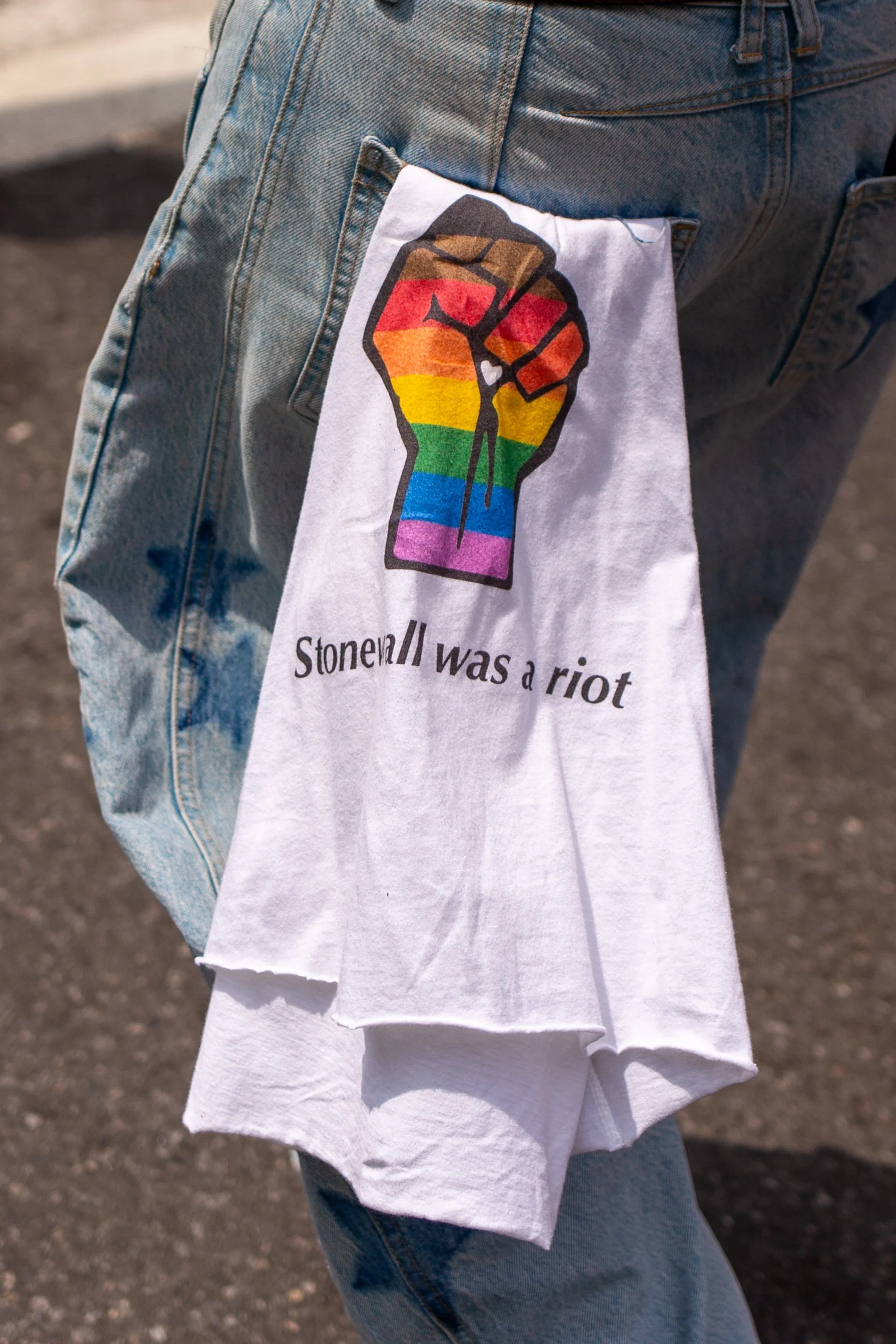
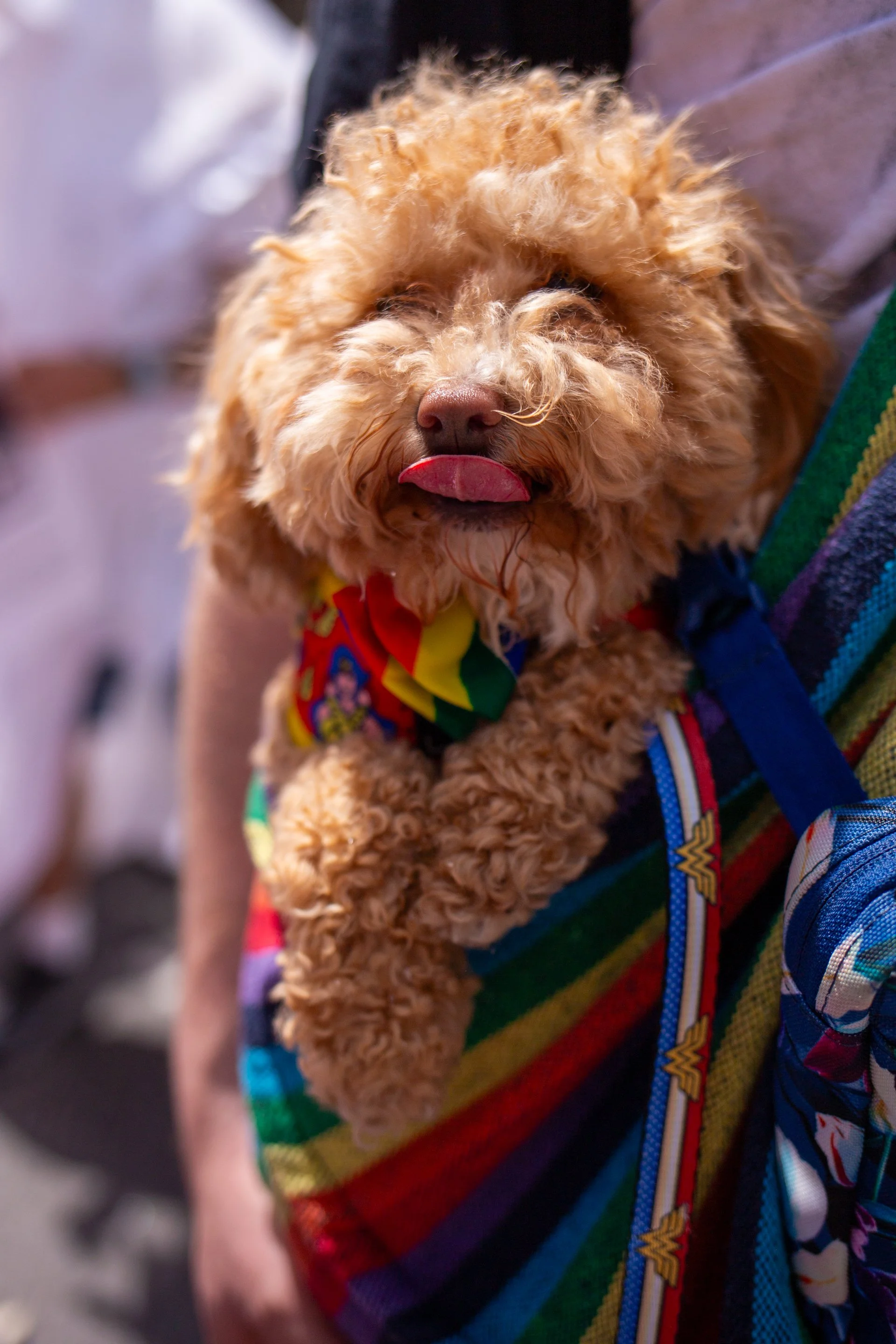
As a queer person, I love and appreciate pride for deeply personal reasons—but even if you’re straight as an arrow (sorry for your luck!!) it’s hard to imagine not finding at least something to enjoy about the celebrations spread across New York City in the month of June. The parties and parades are as varied as the participants themselves, who identify as every letter of the LGBTQ acronym; add in the “+” and saying that pride is “just a gay thing” is a drastic understatement.
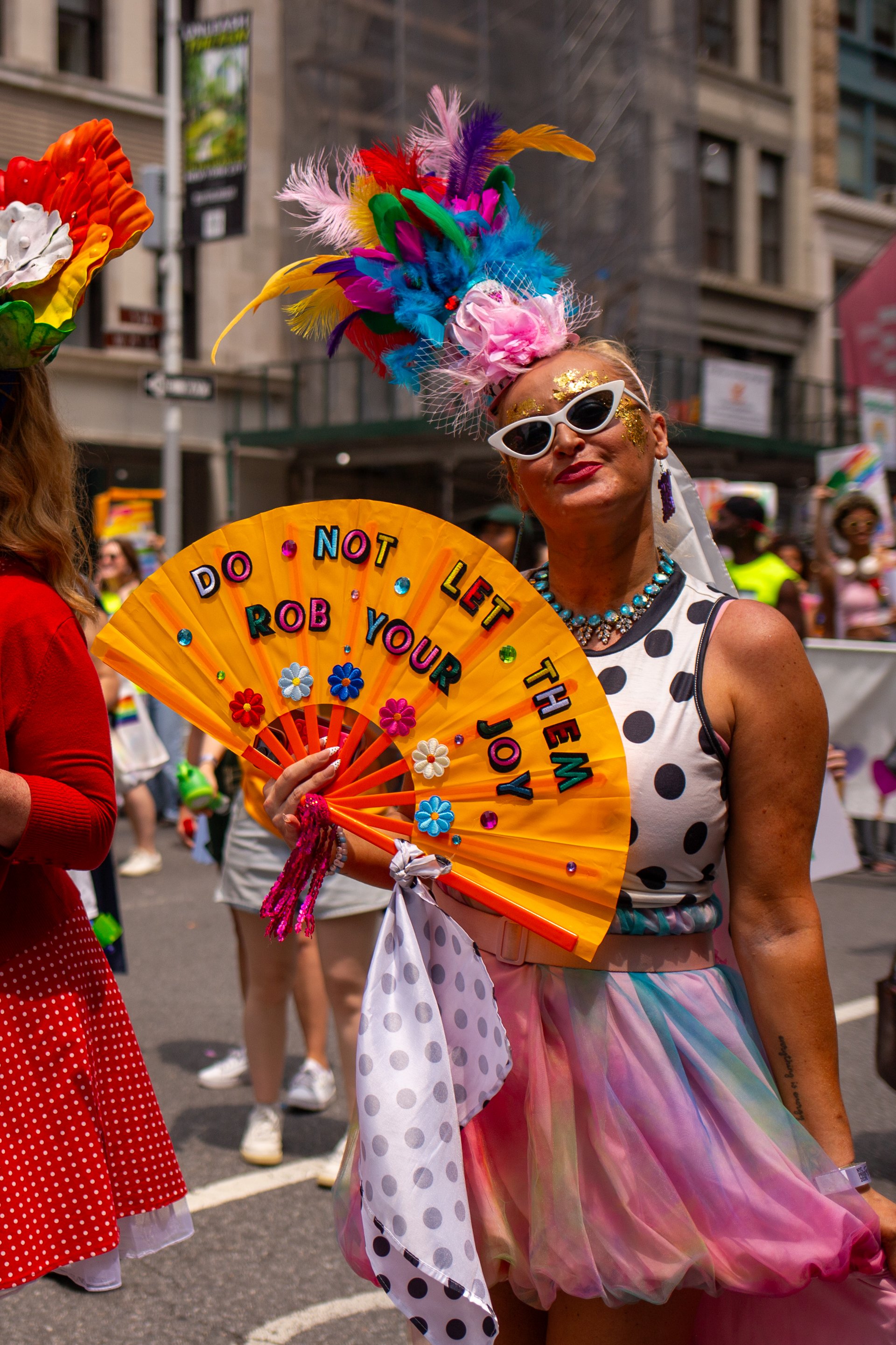
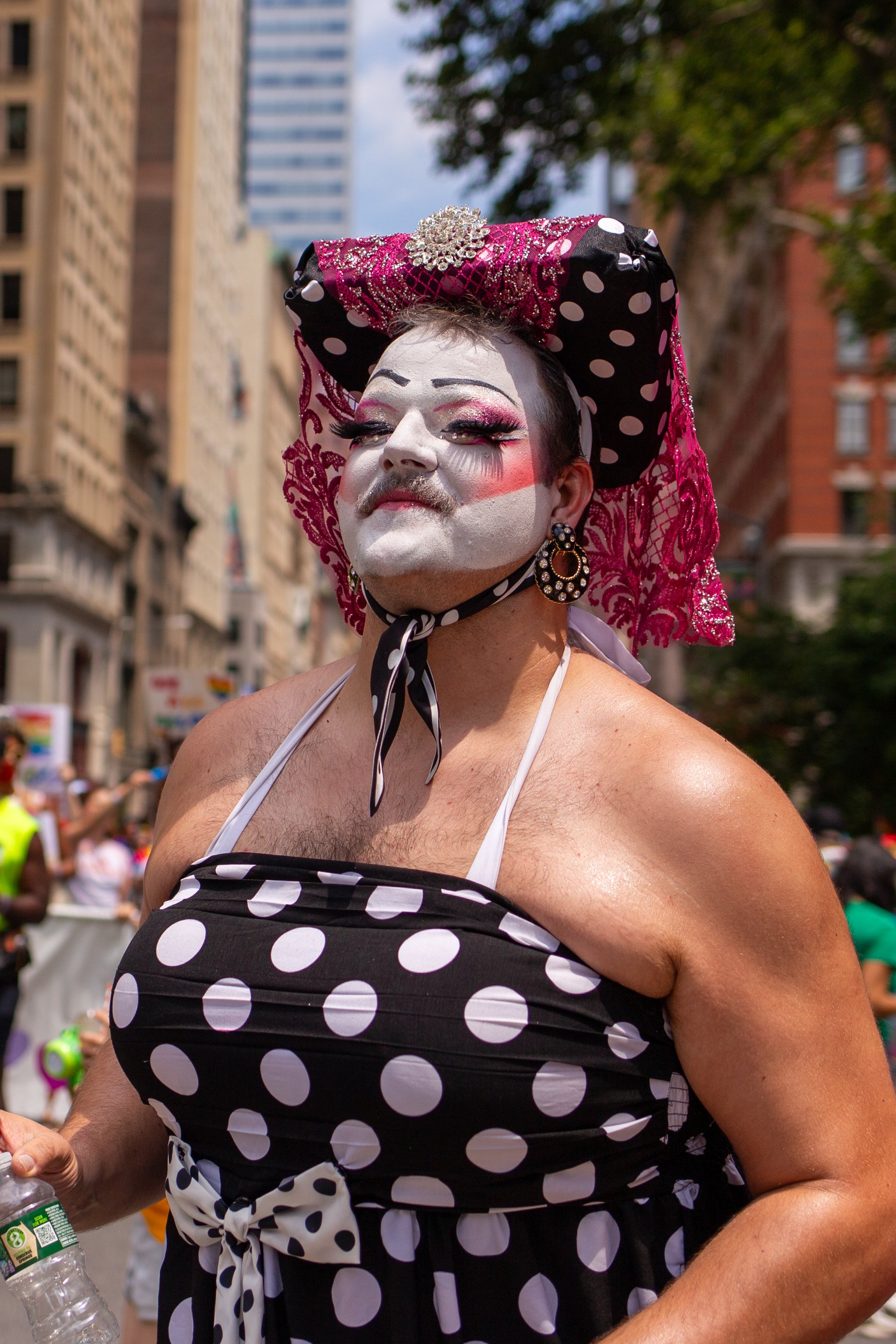
While I understand and value queer history (including some people’s resistance to using the word “queer” at all), I don’t agree with excluding anyone from pride celebrations—except, of course, cops and corporations, which the Queer Liberation March already does very well. I think what’s so beautiful about the concept of pride is the joy, the creativity, and, especially, the radical inclusivity.
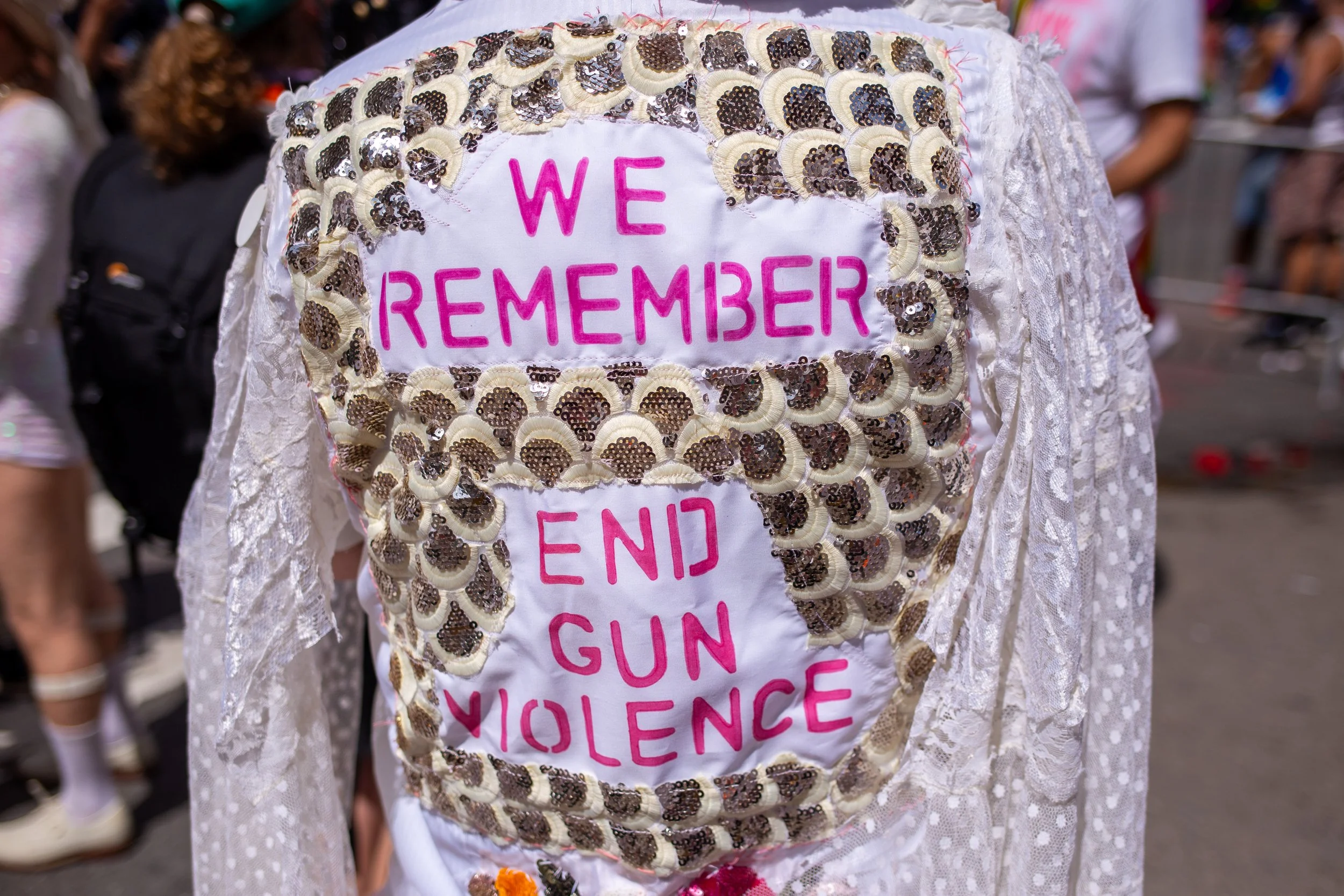
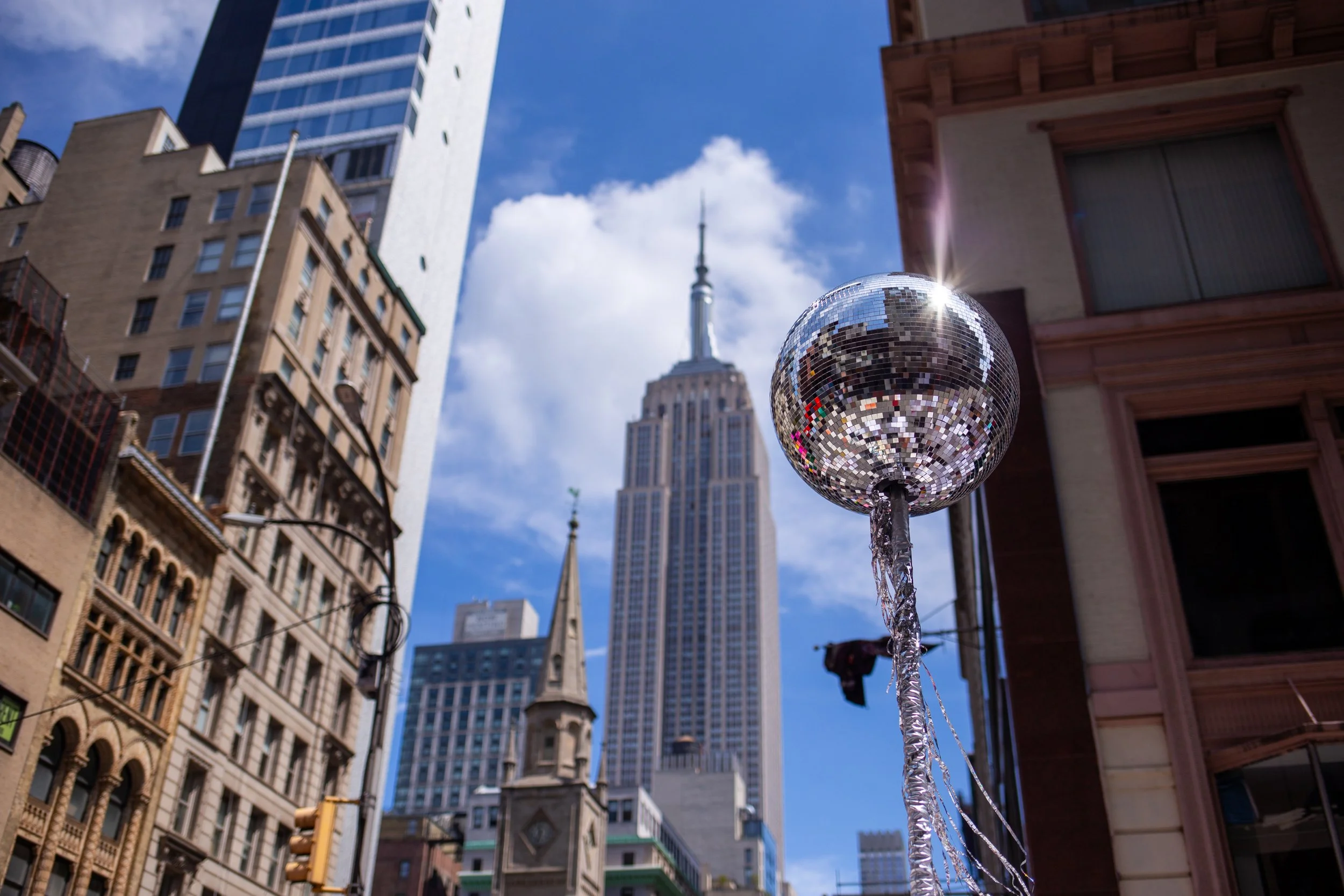
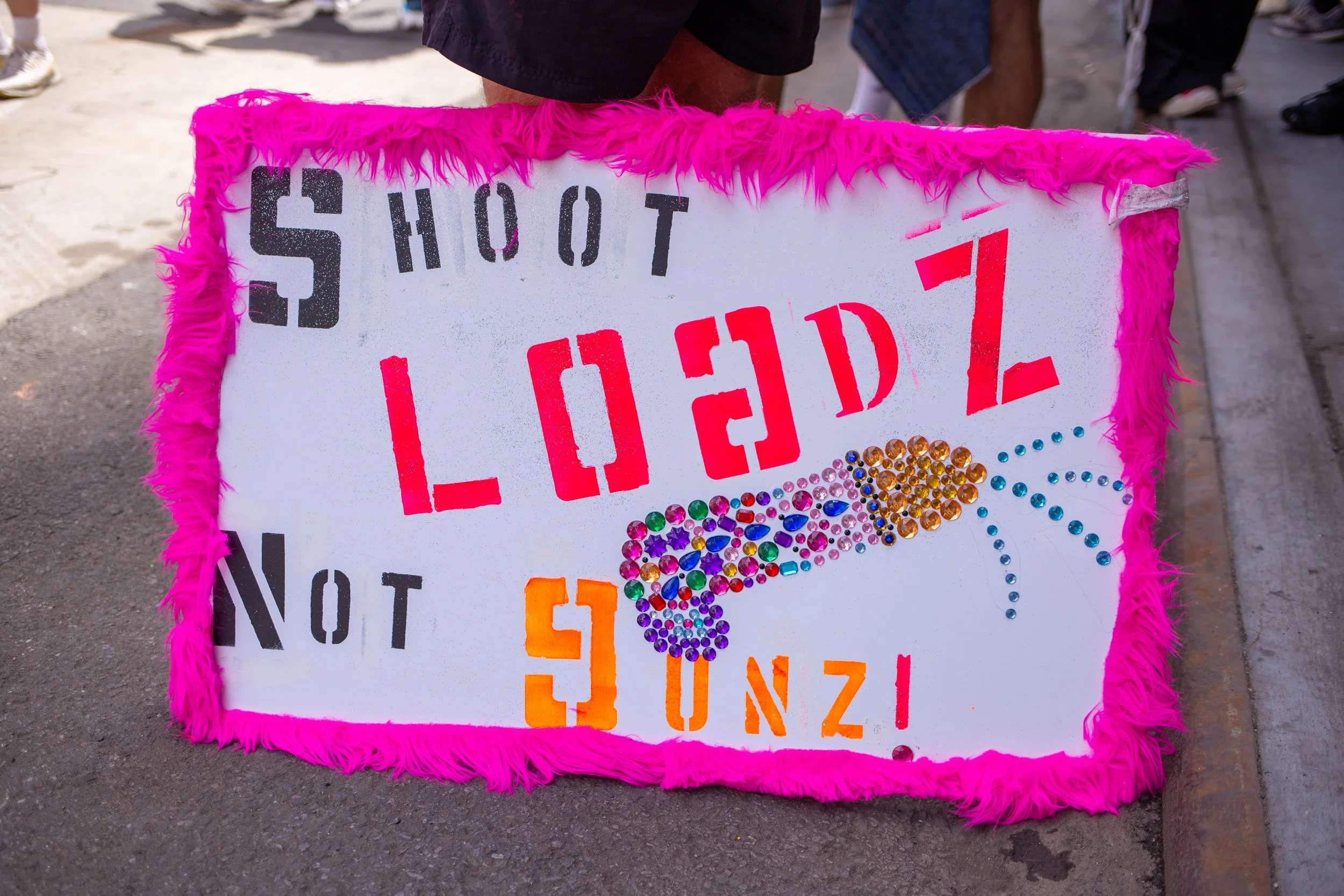
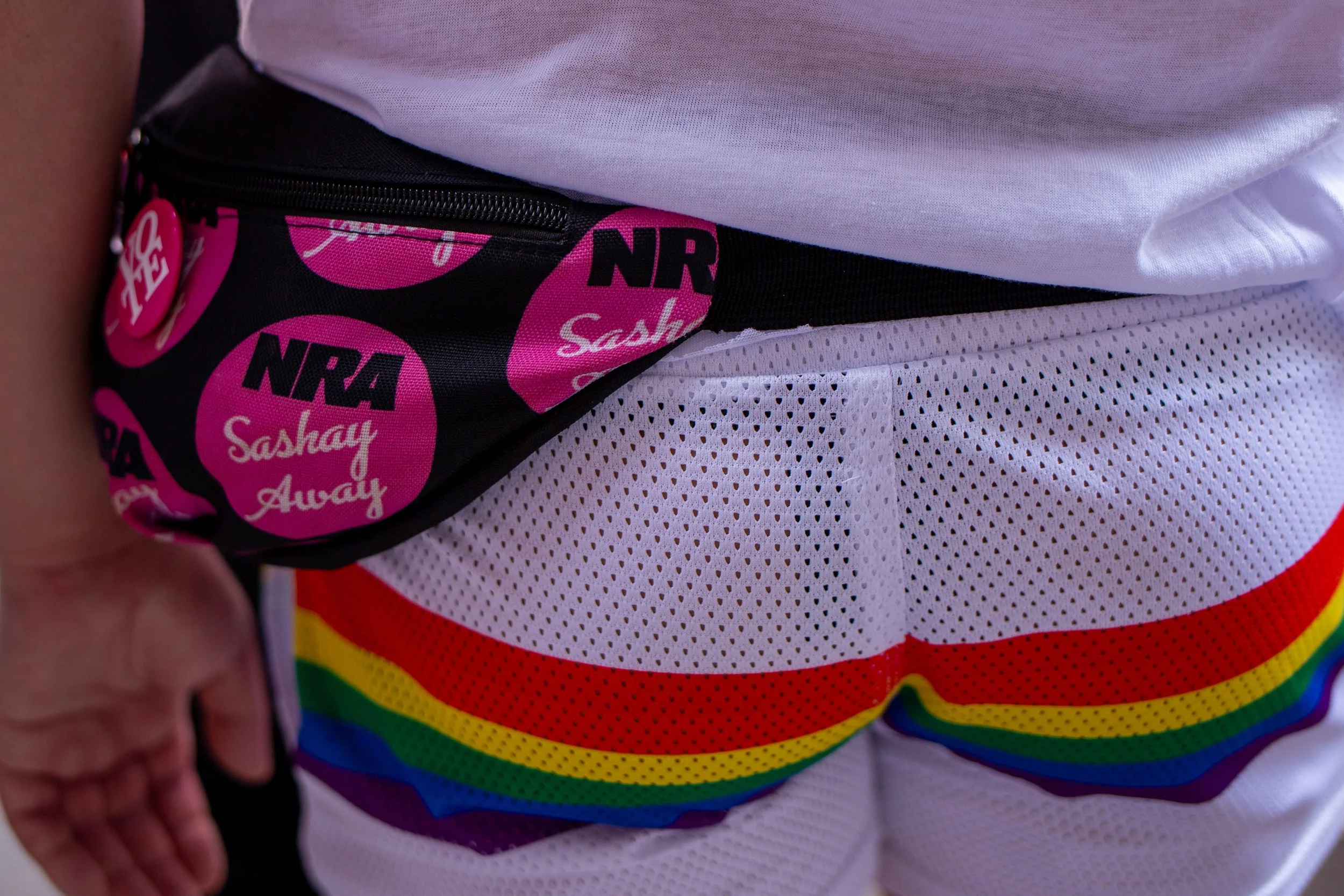
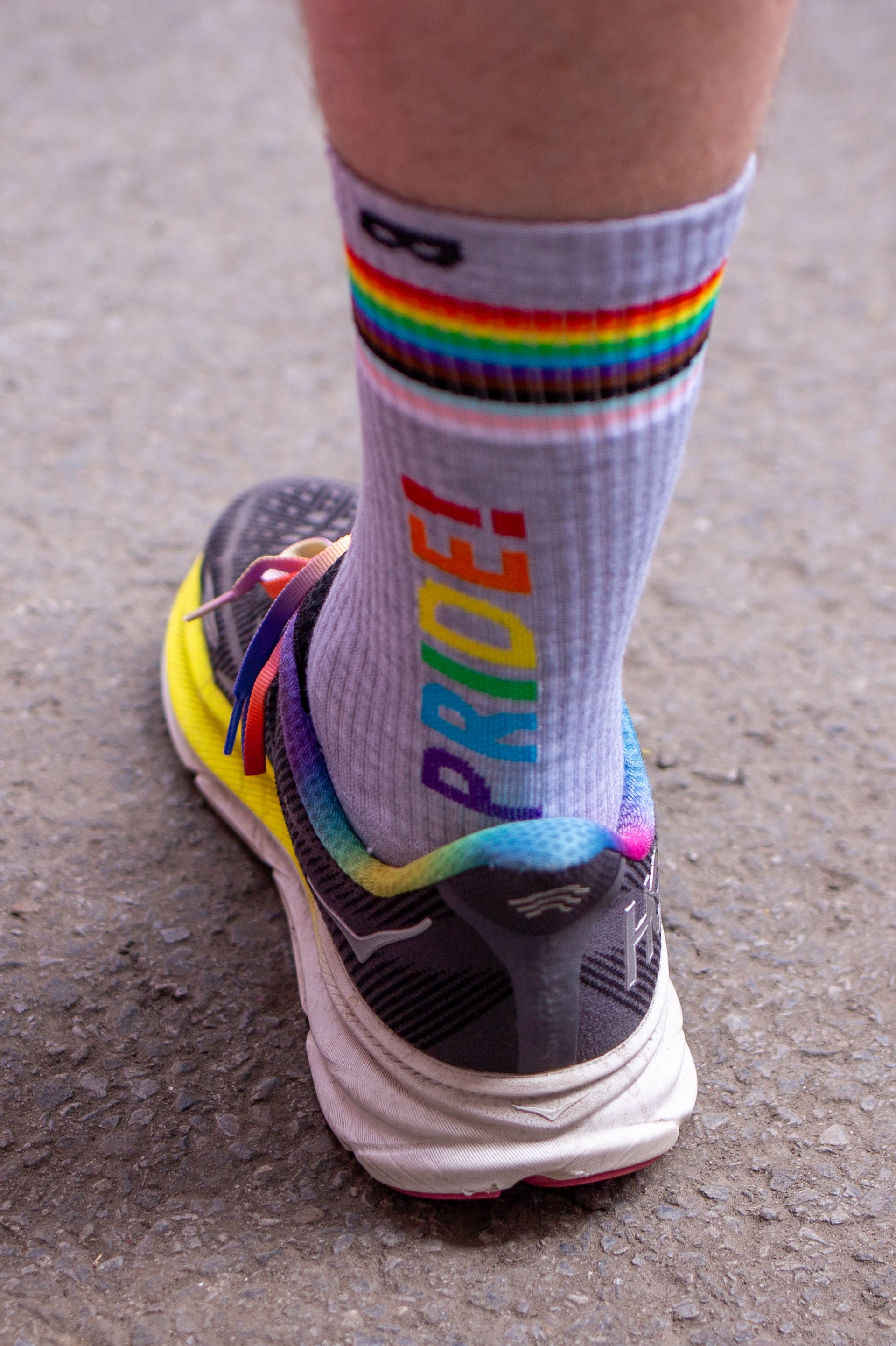
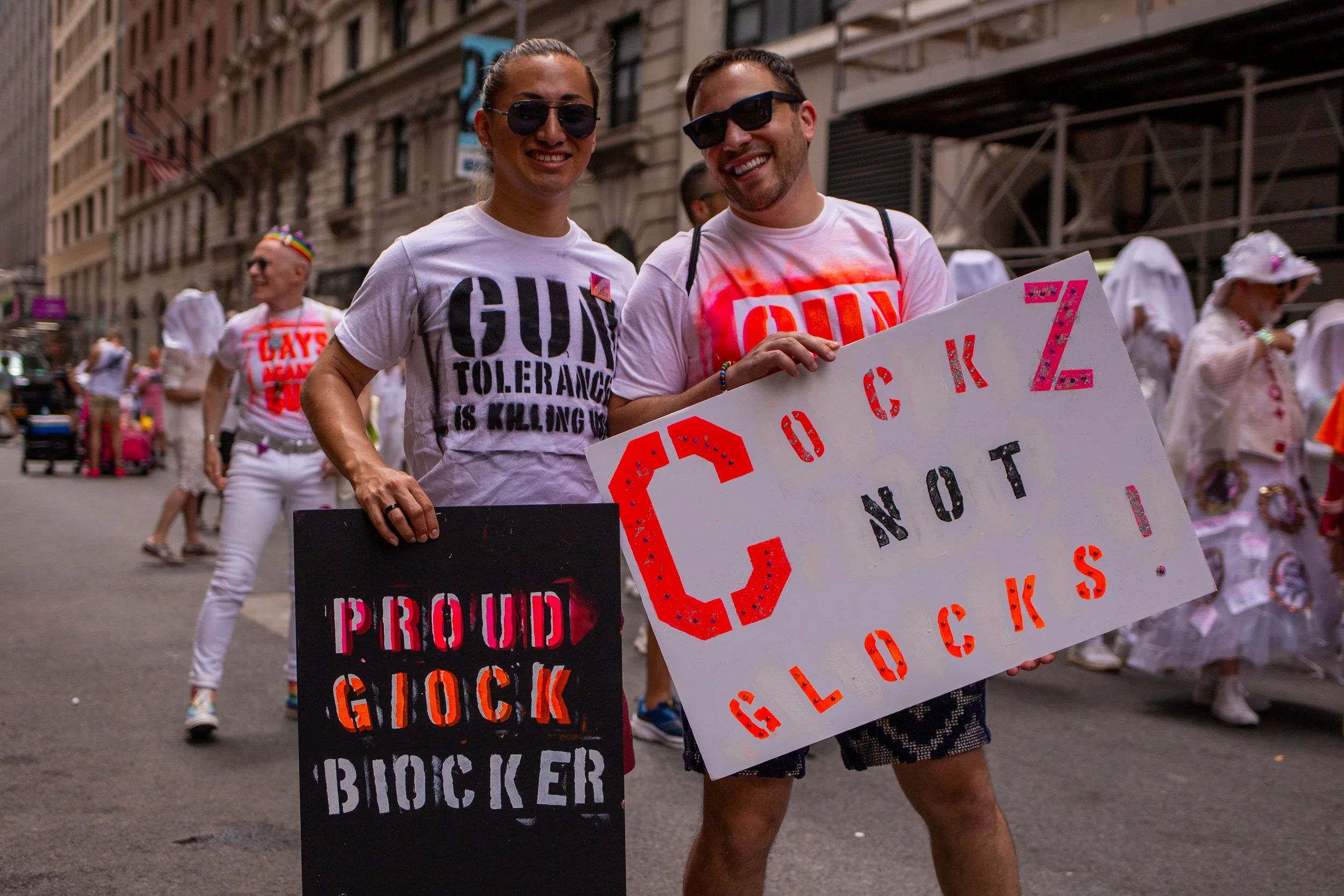
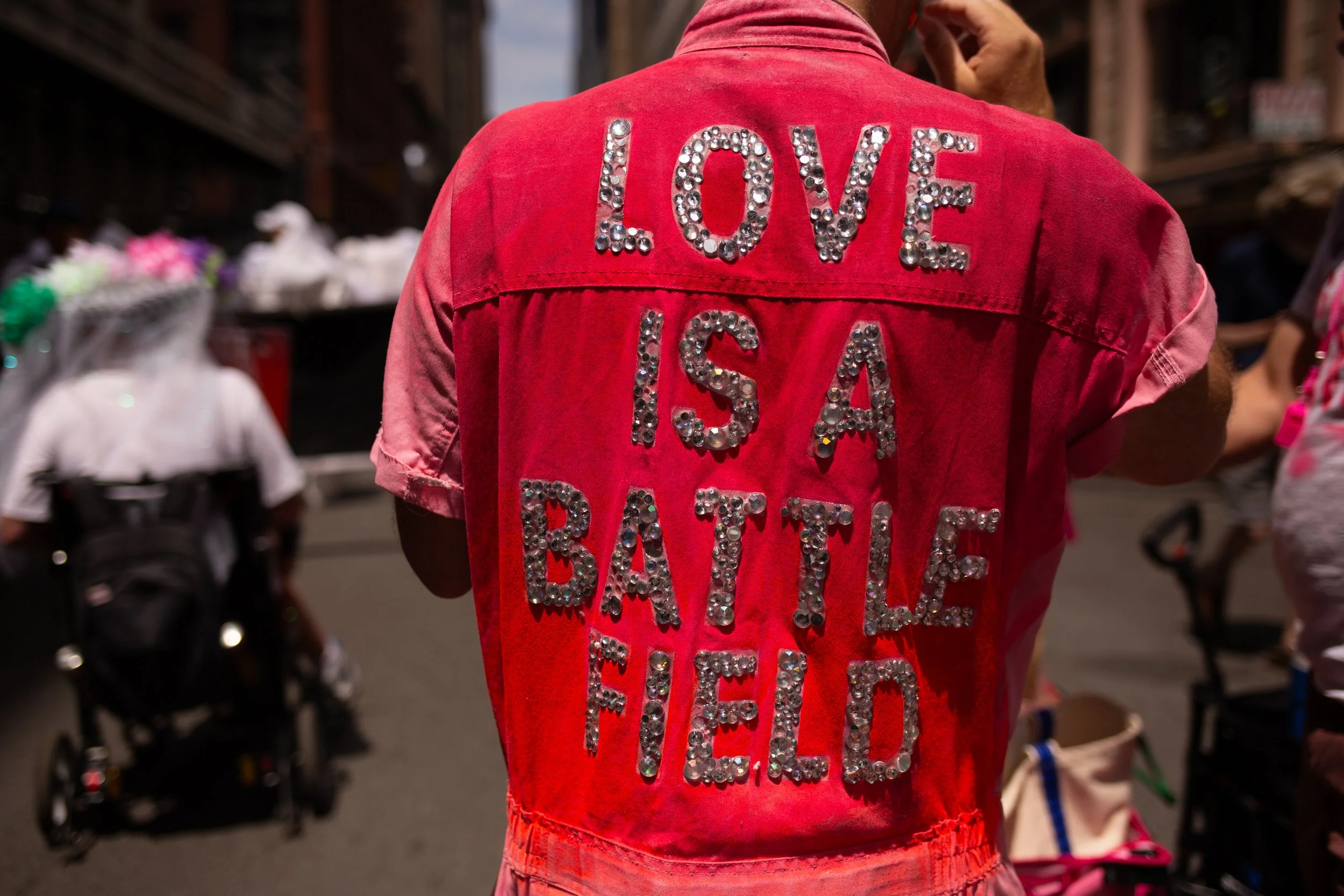
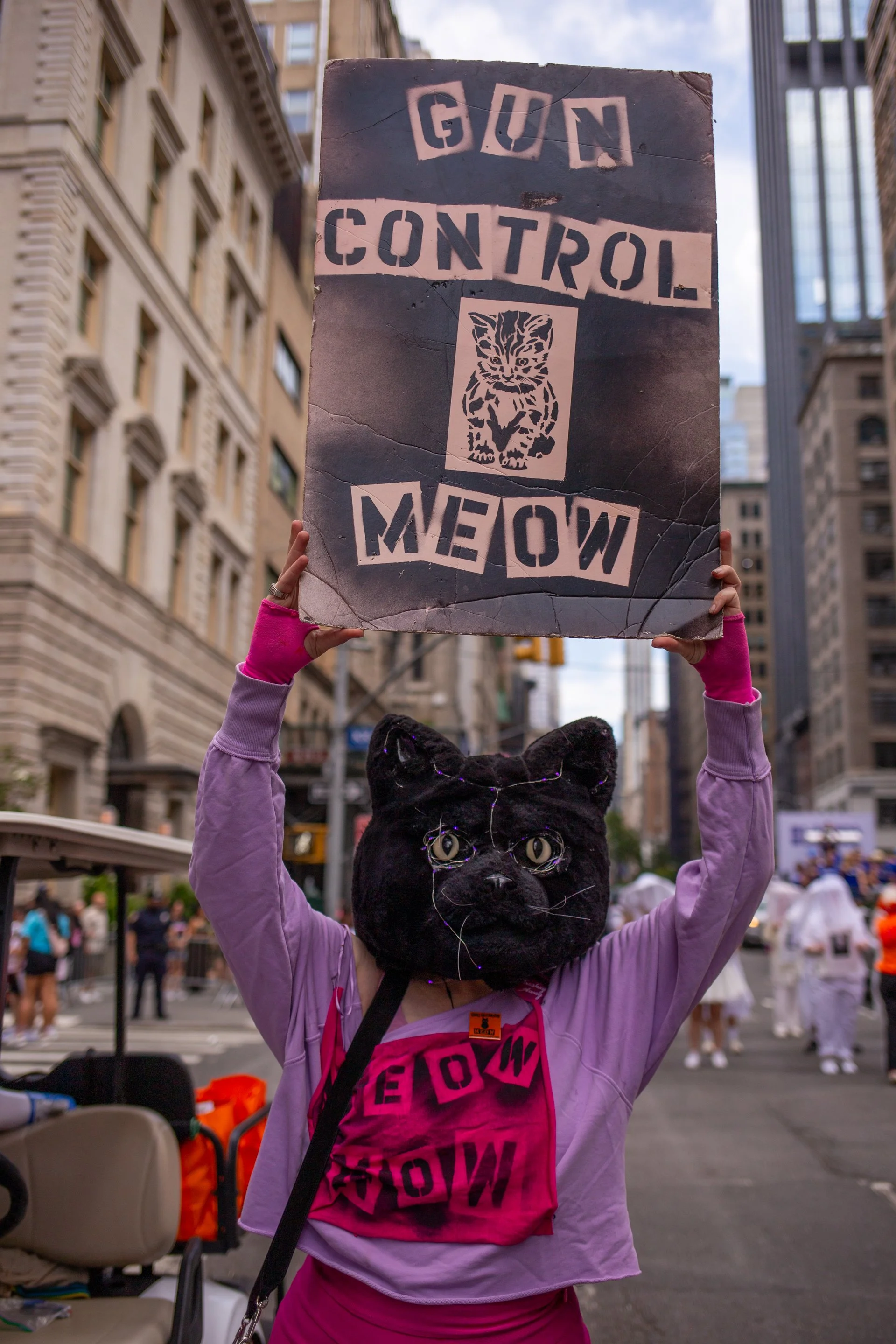
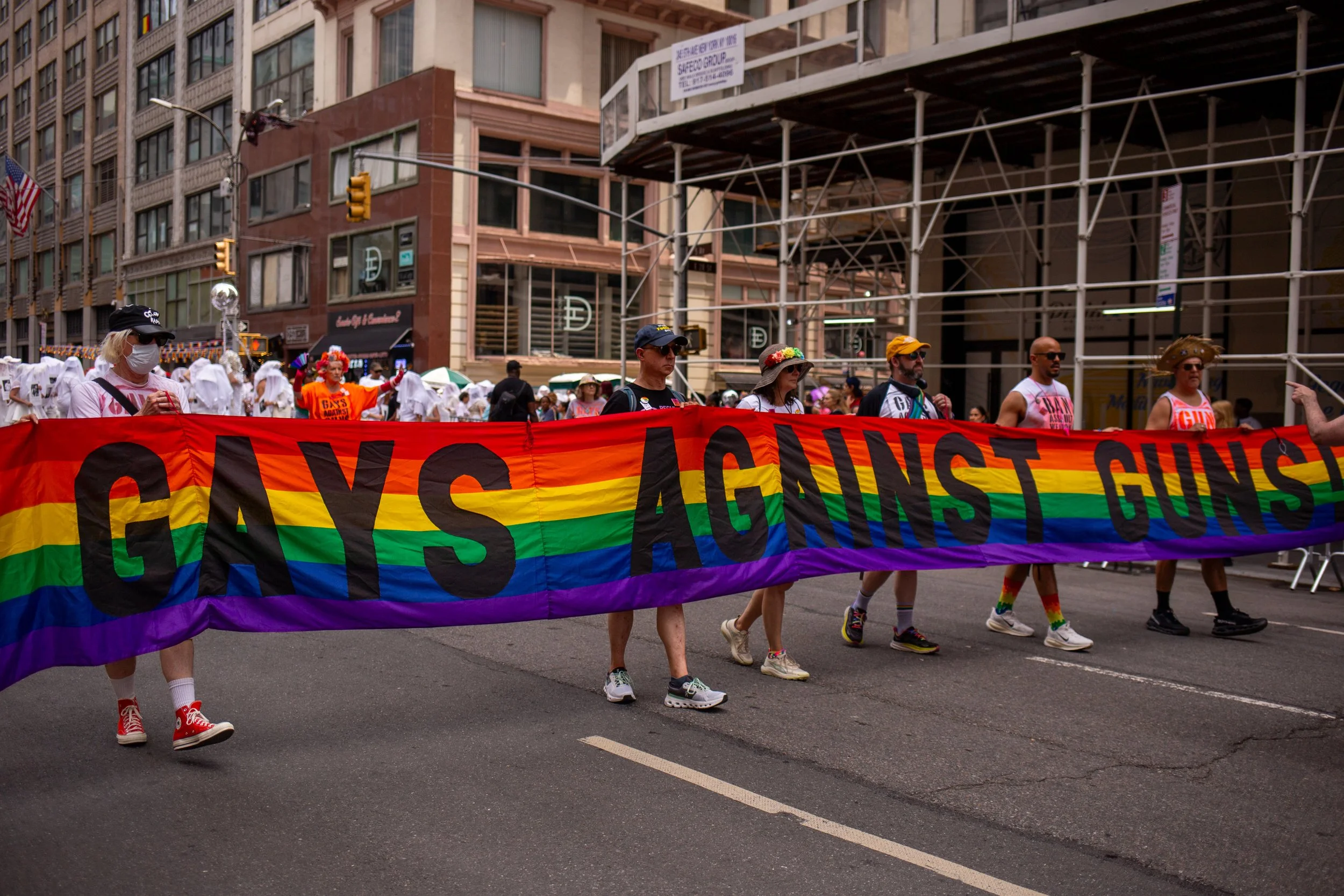
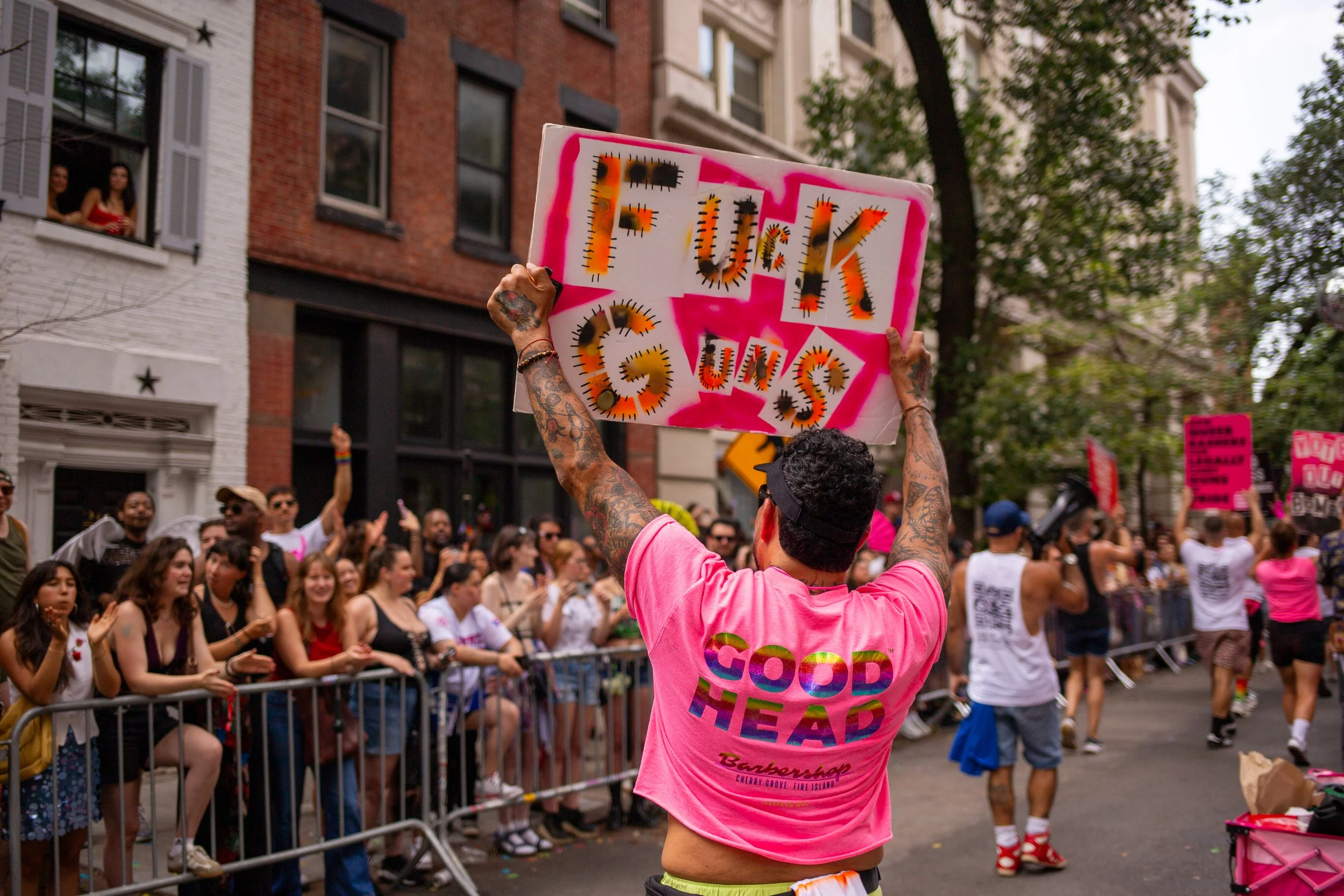
This year, I was honored to be able to march with Gays Against Guns (also known as GAG for reasons that should be obvious and appreciated), a gun violence awareness and direct action organization that was formed in the wake of the Pulse nightclub massacre. A decade after their inaugural inclusion in the 2016 NYC Pride March (just a few weeks after the tragedy at Pulse and the group’s formation), GAG was one of the grand marshals in this year’s parade.
Thanks to this honor, we were among the first groups to travel the parade route, which definitely has its perks. The last time I marched in the parade was in 2019; NYC was hosting World Pride that year and the celebration was massive—the group I was with (my girlfriend’s flag football team) didn’t step off until after 11:30 pm. While it was exhilarating to be in the streets past midnight—and surprising that there were still spectators left to cheer us on—it was really nice to have a minimal wait time this year and be done in time to head to the Queer Liberation March in the afternoon.
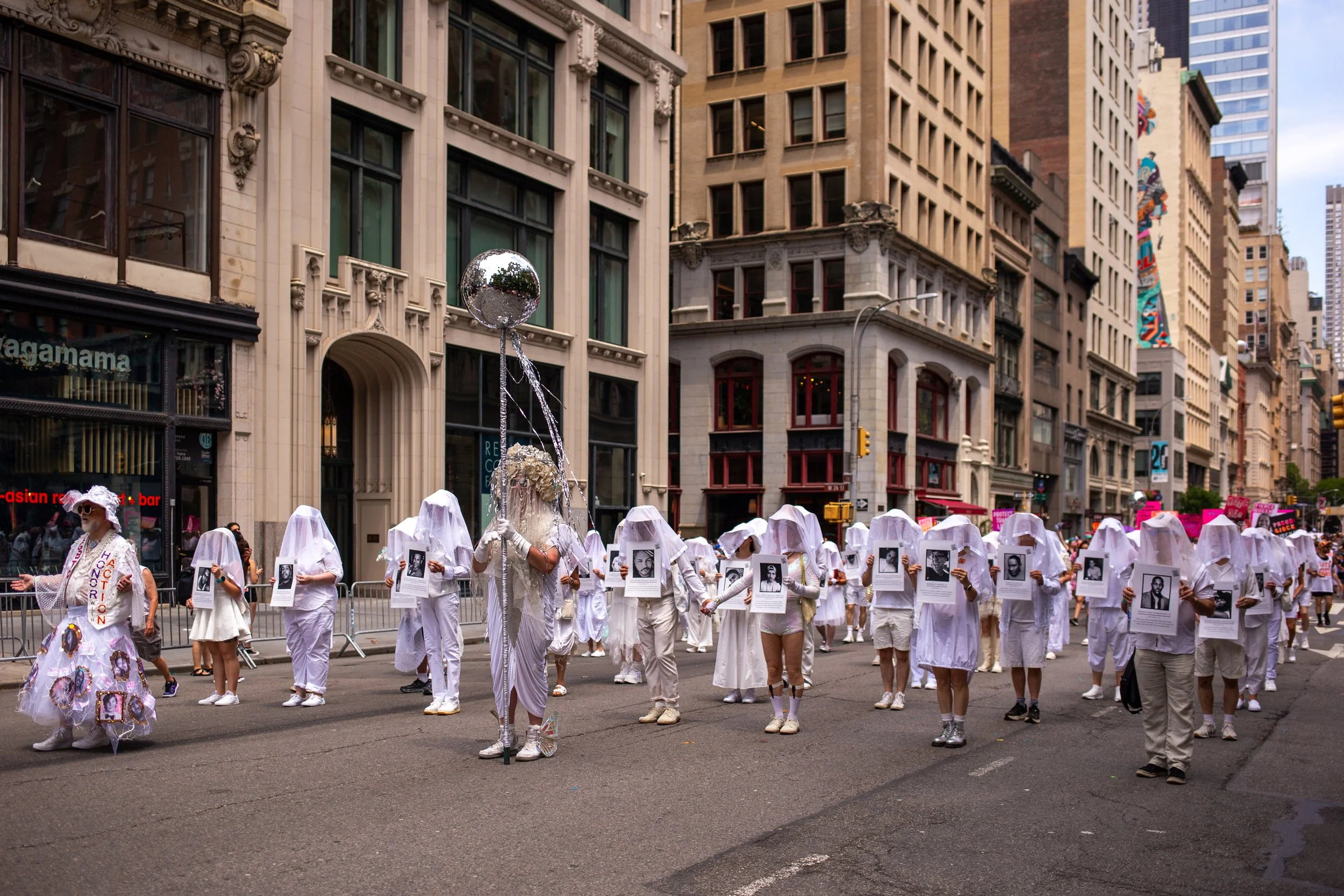
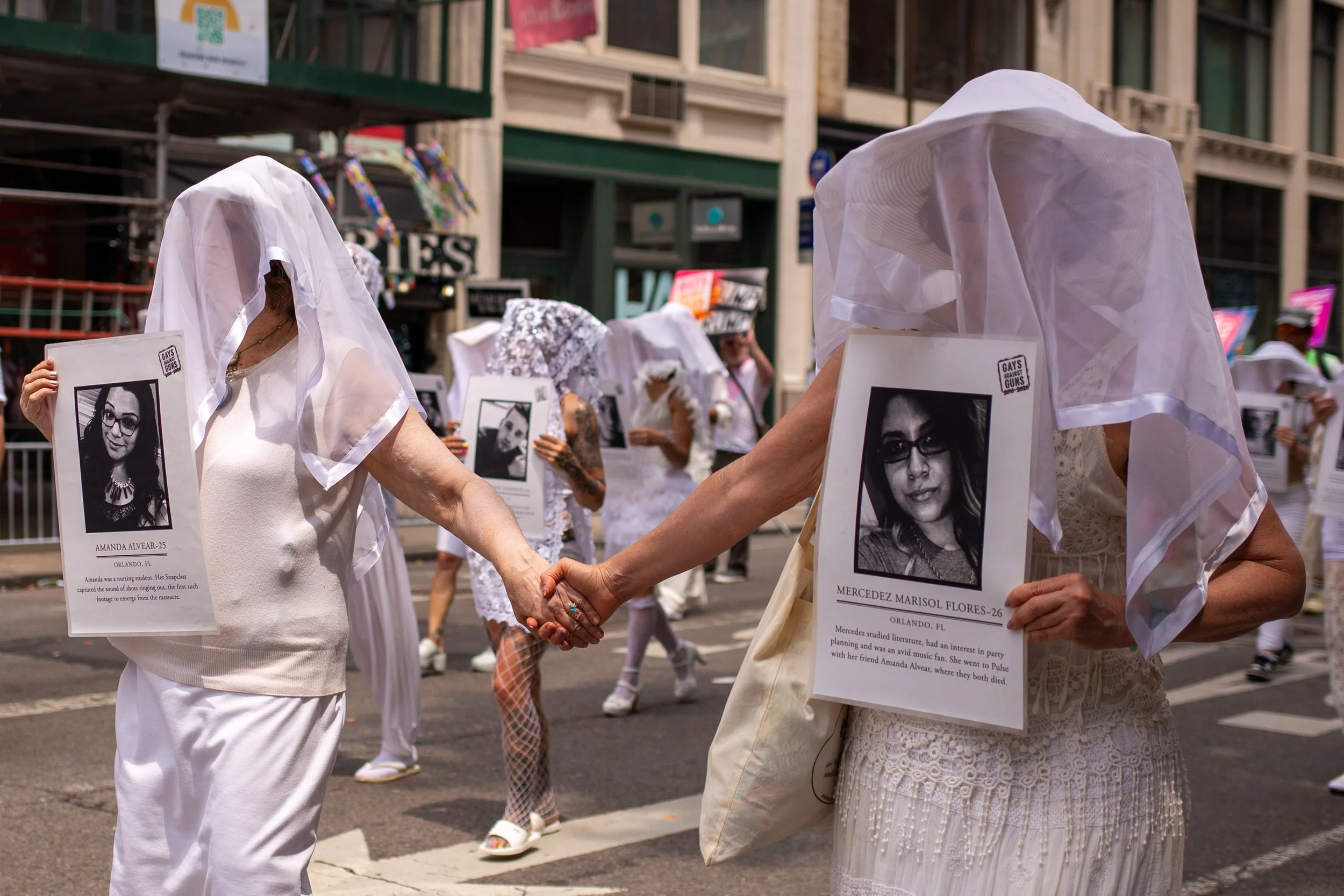
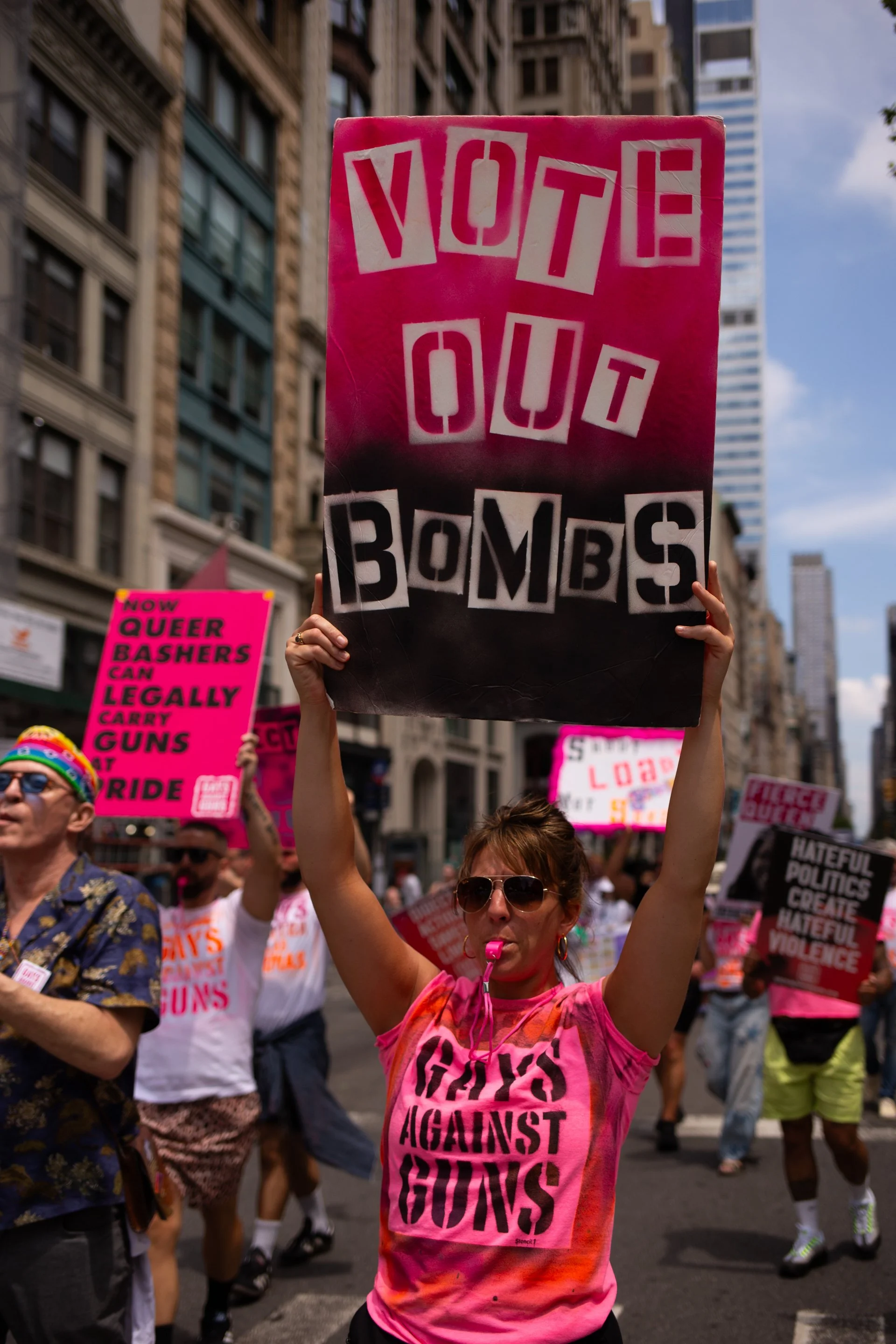
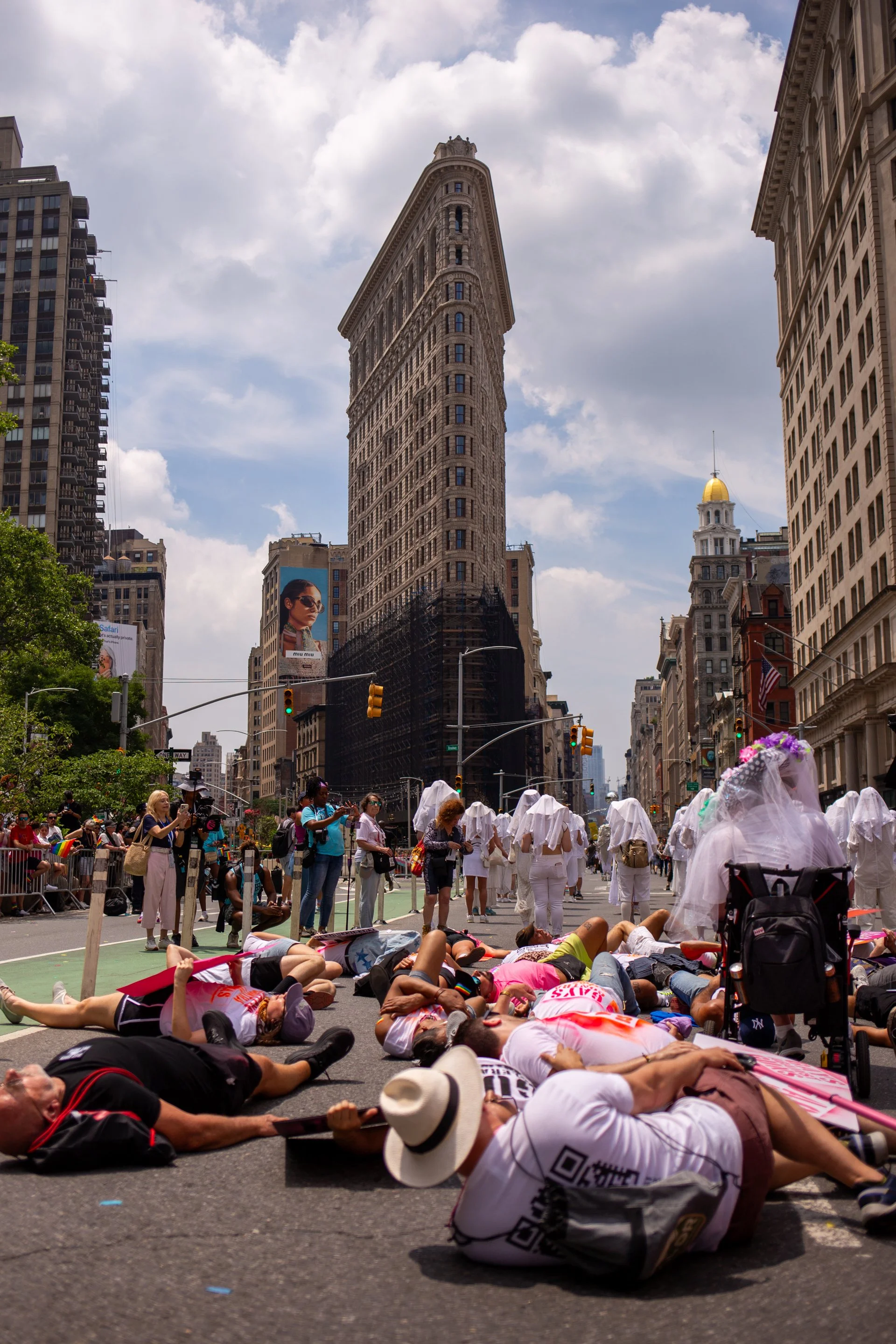
GAG is known for its solemn contingent of “human beings,” a rotating cast of 49 people who don all white and carry placards in memoriam of the lives lost at Pulse. Each person represents someone specific who lost their life doing what most of us in the queer community alive today are lucky enough to take for granted: simply being themselves and enjoying a night out at a formerly-safe space. Two times during the route, GAG members staged a “die-in” behind the human beings to chants of “How many more have to die?”
Right after we passed the Flatiron Building, Meg Stalter and Katie Gavin, the lead singer of Muna, joined the march behind our group. I’ve been a fan of Stalter (a fellow Ohioan!) and her absurdist comedy for years (including on Hacks, Too Much, and every interview she’s ever given), and her song “Prettiest Girl in America” has been stuck in my head for months. She and Gavin were riding in a convertible dressed respectively as Mary Todd and Abe Lincoln (if they were on their way to a BDSM club) to hype Stalter’s upcoming turn donning bratty curls in Broadway’s “Oh, Mary!”
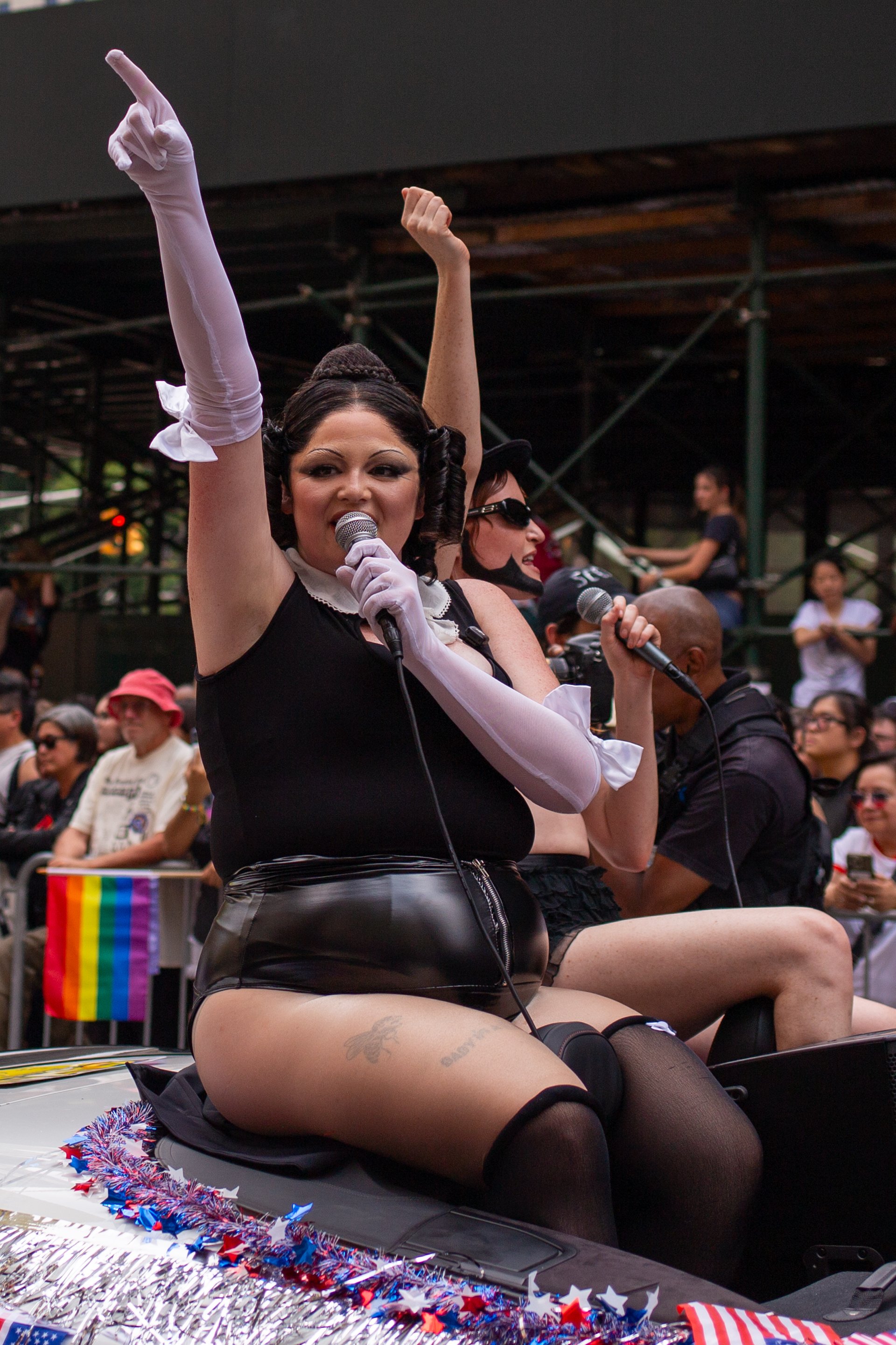
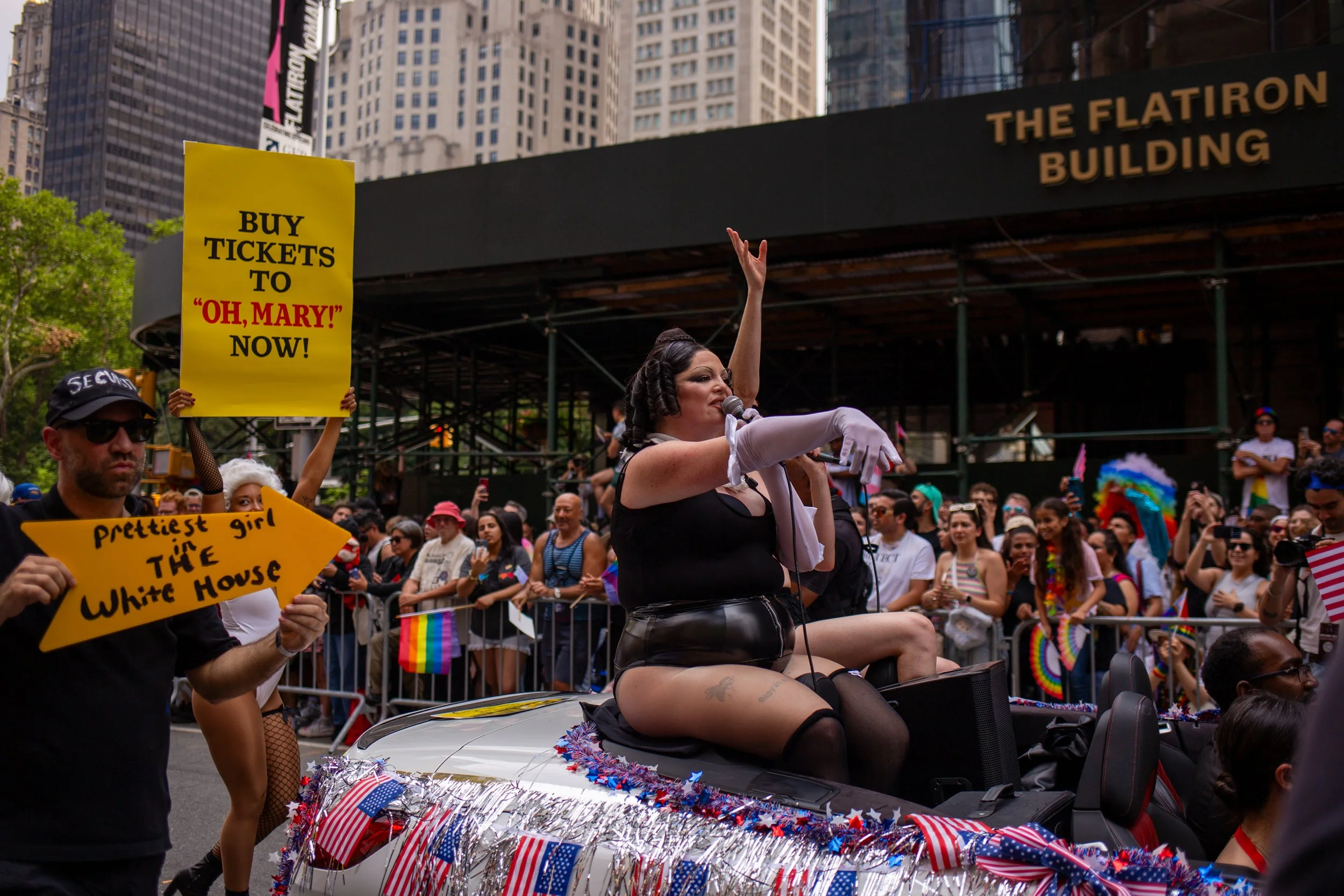
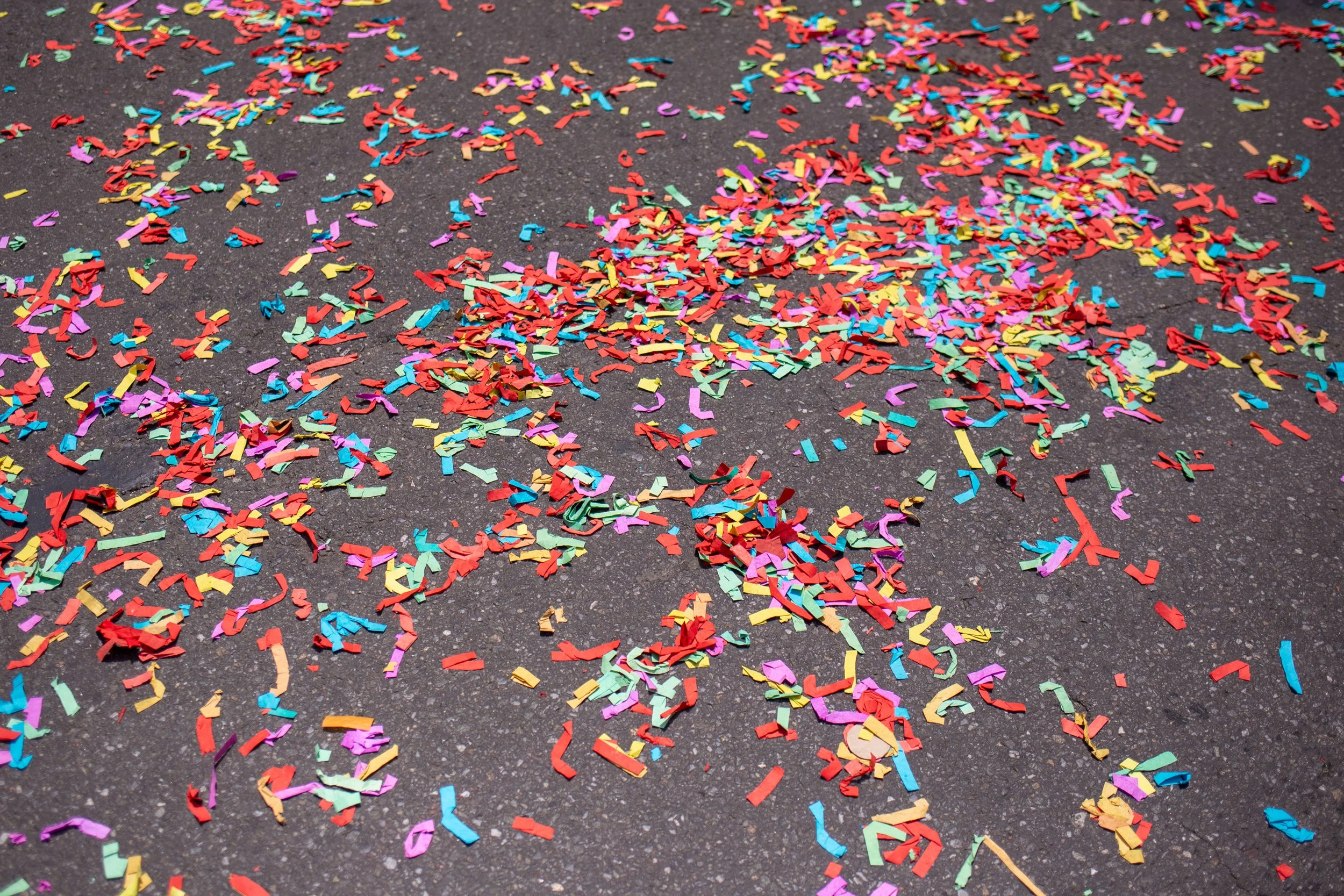
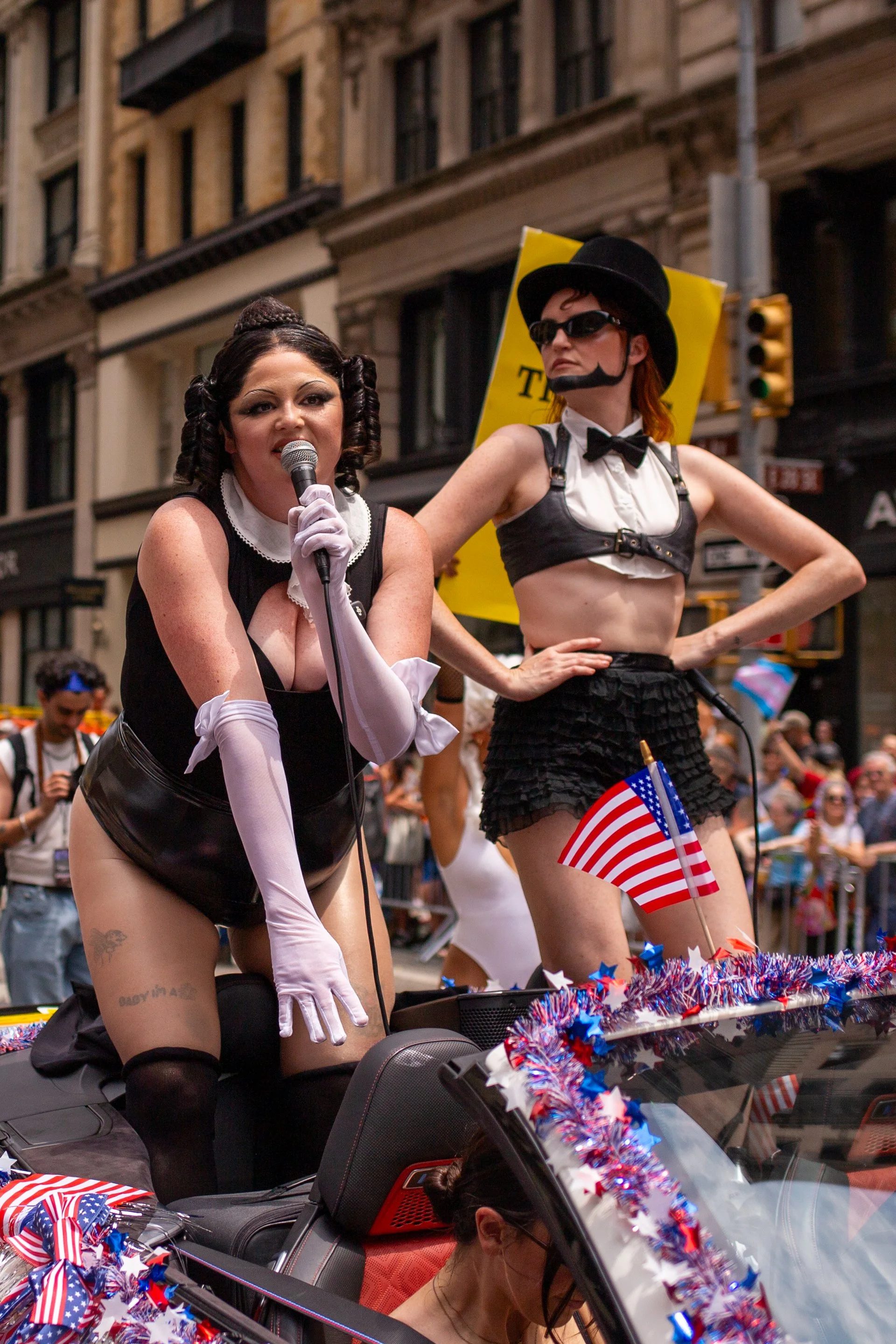
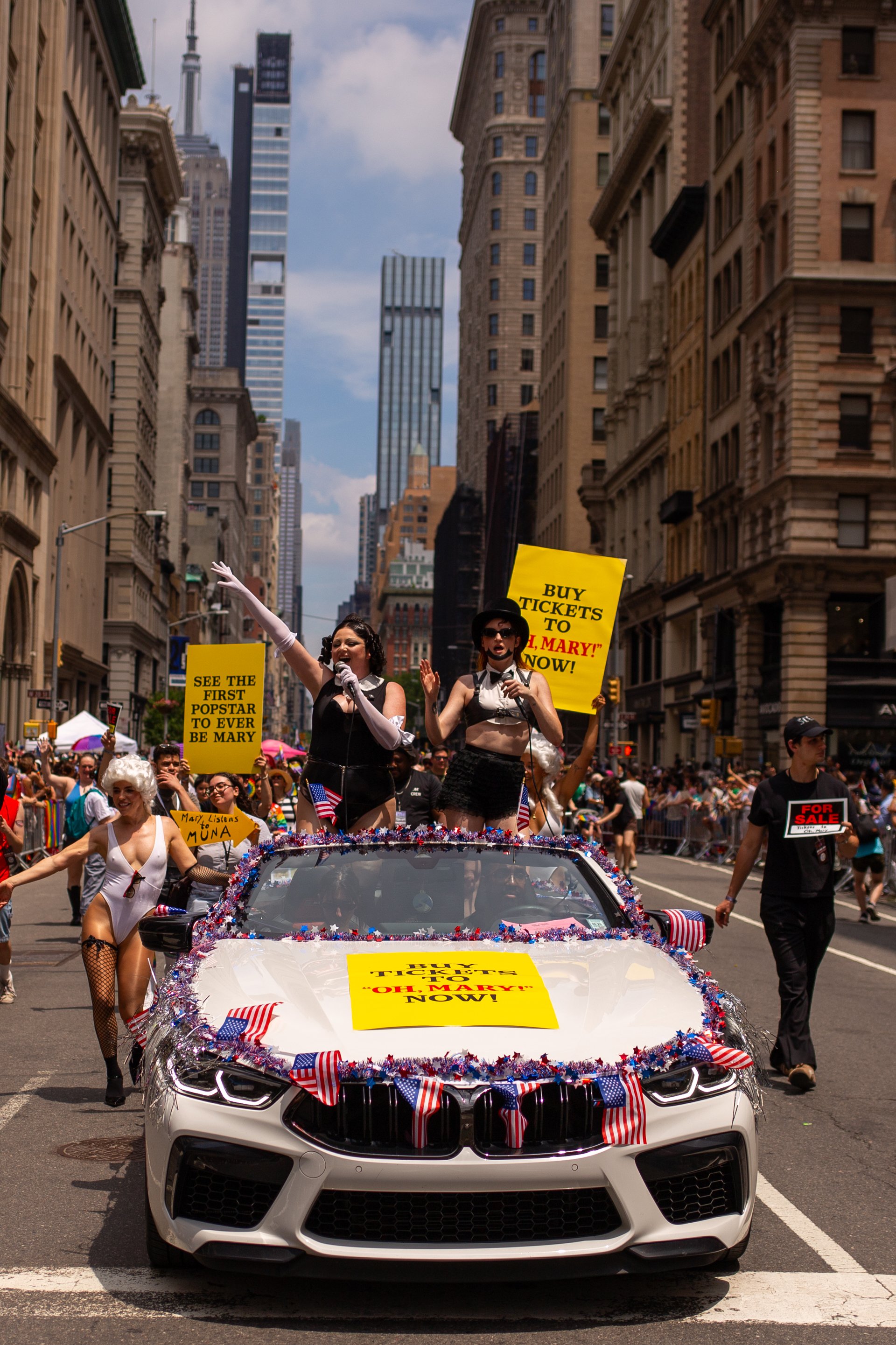
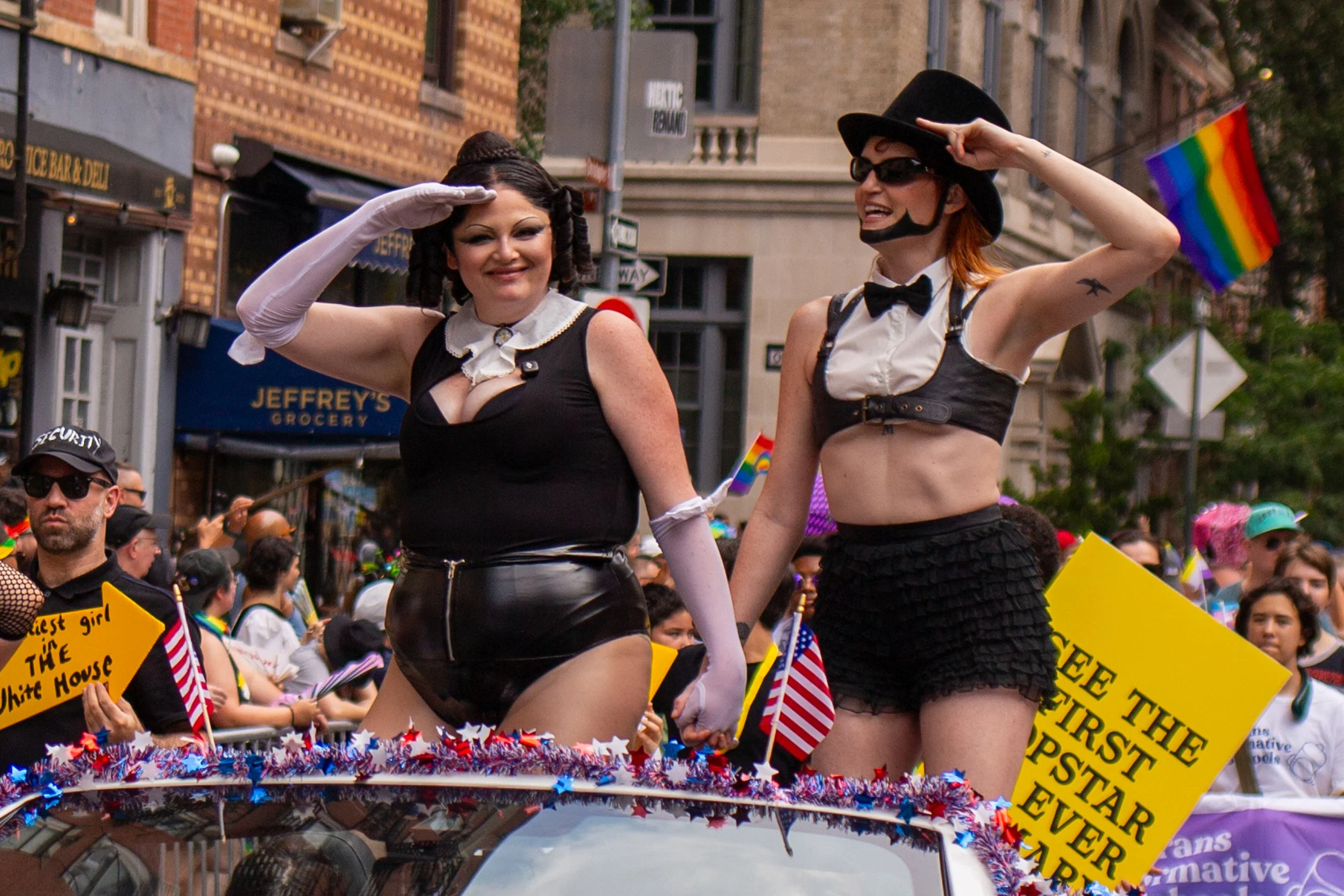
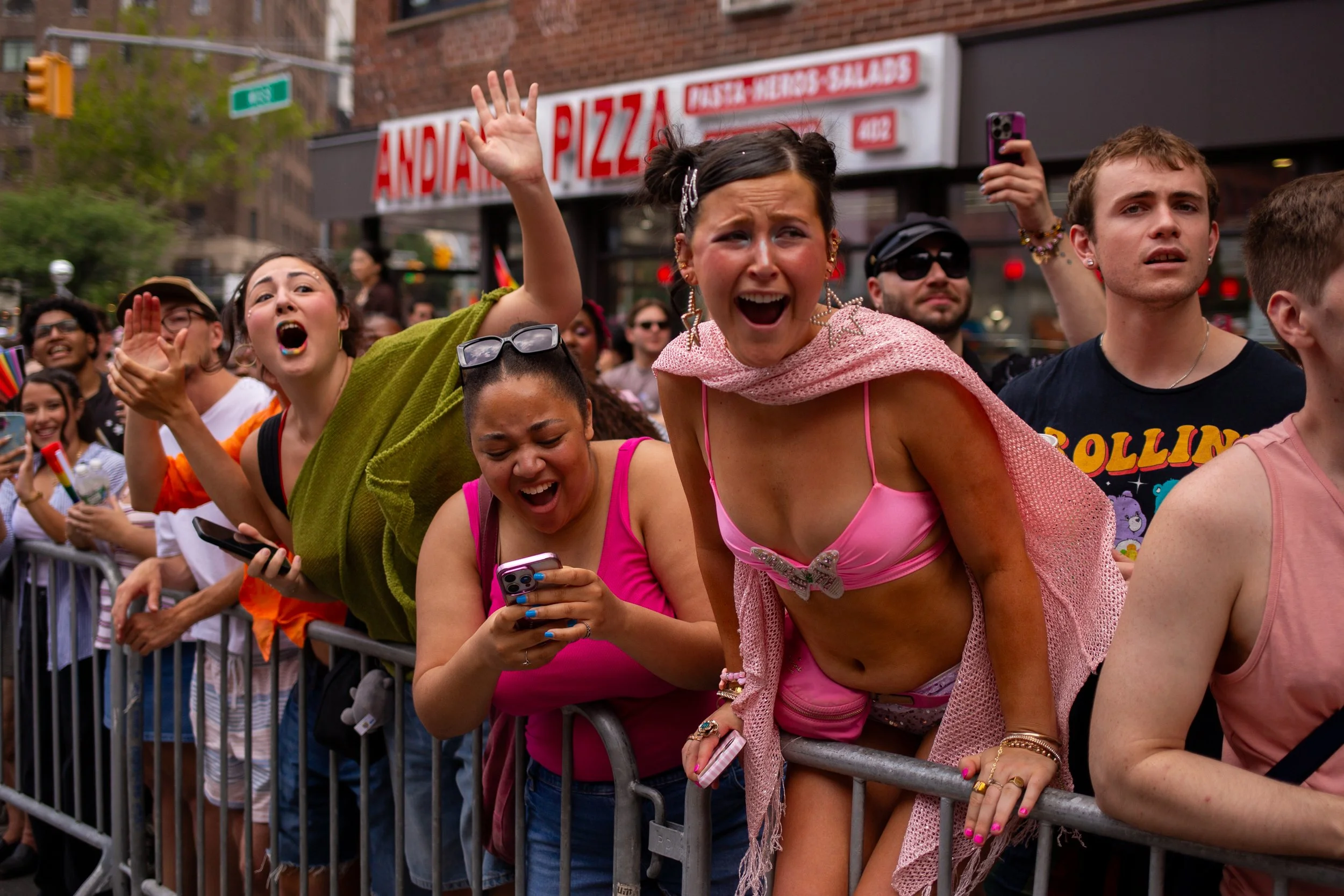
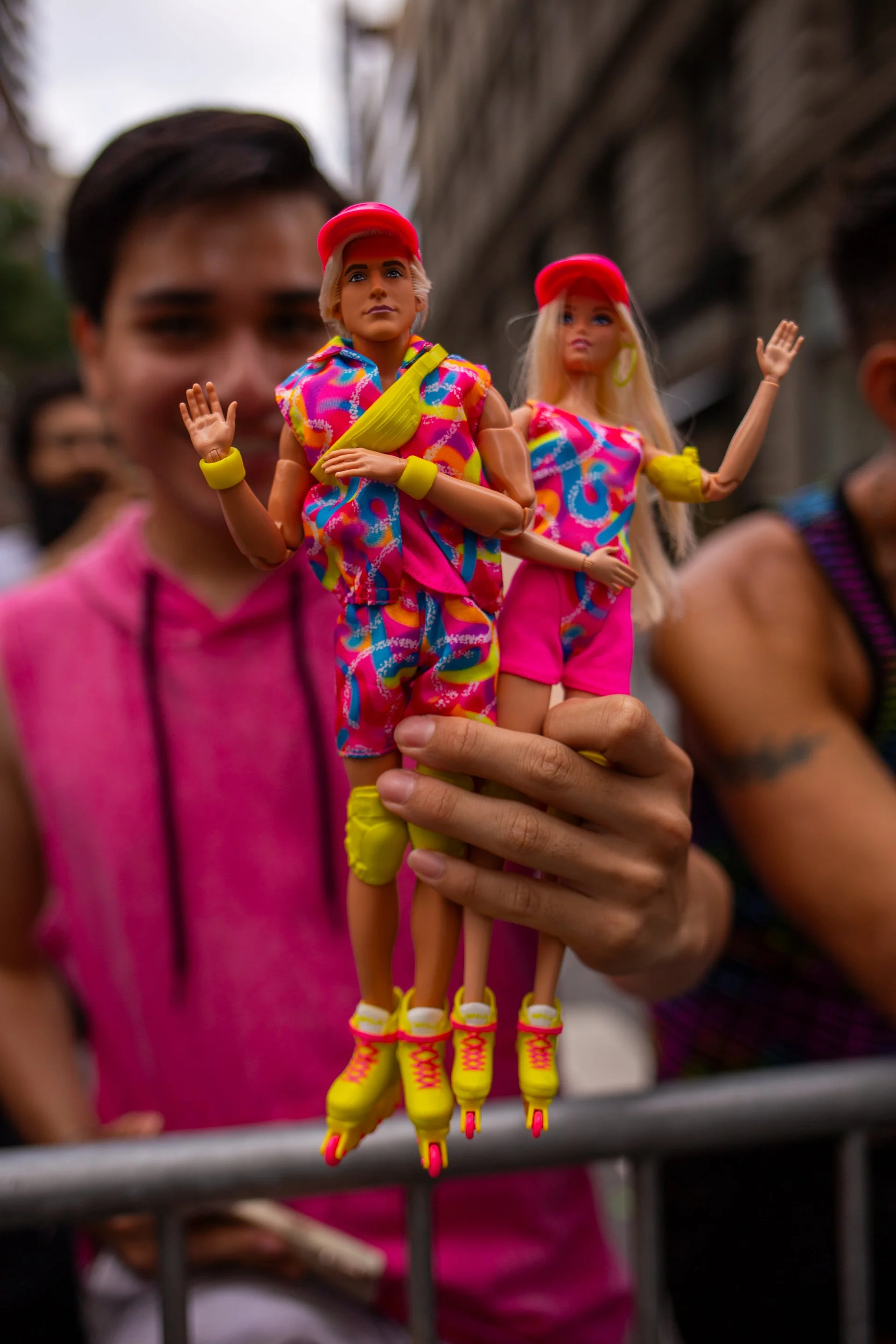
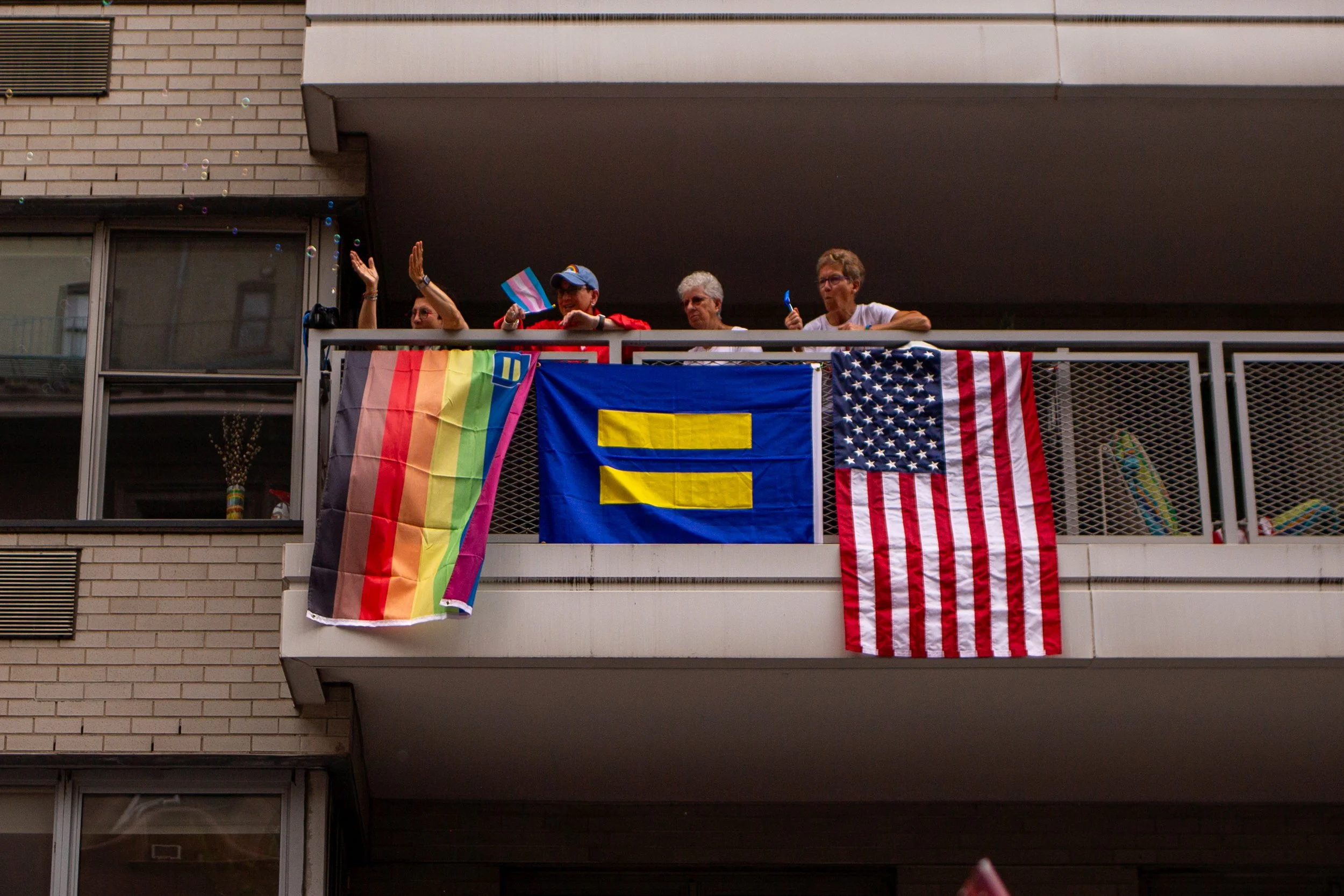
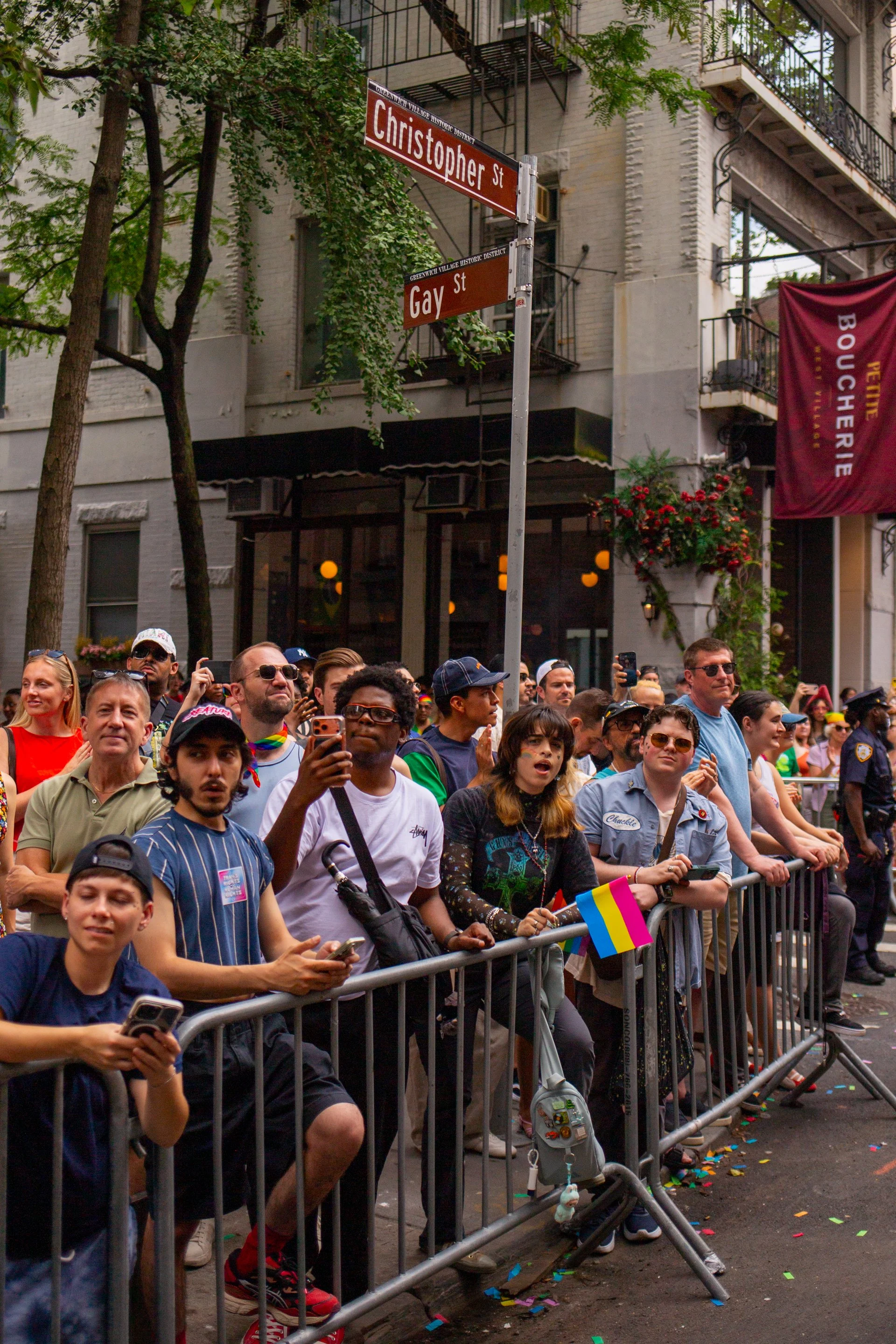
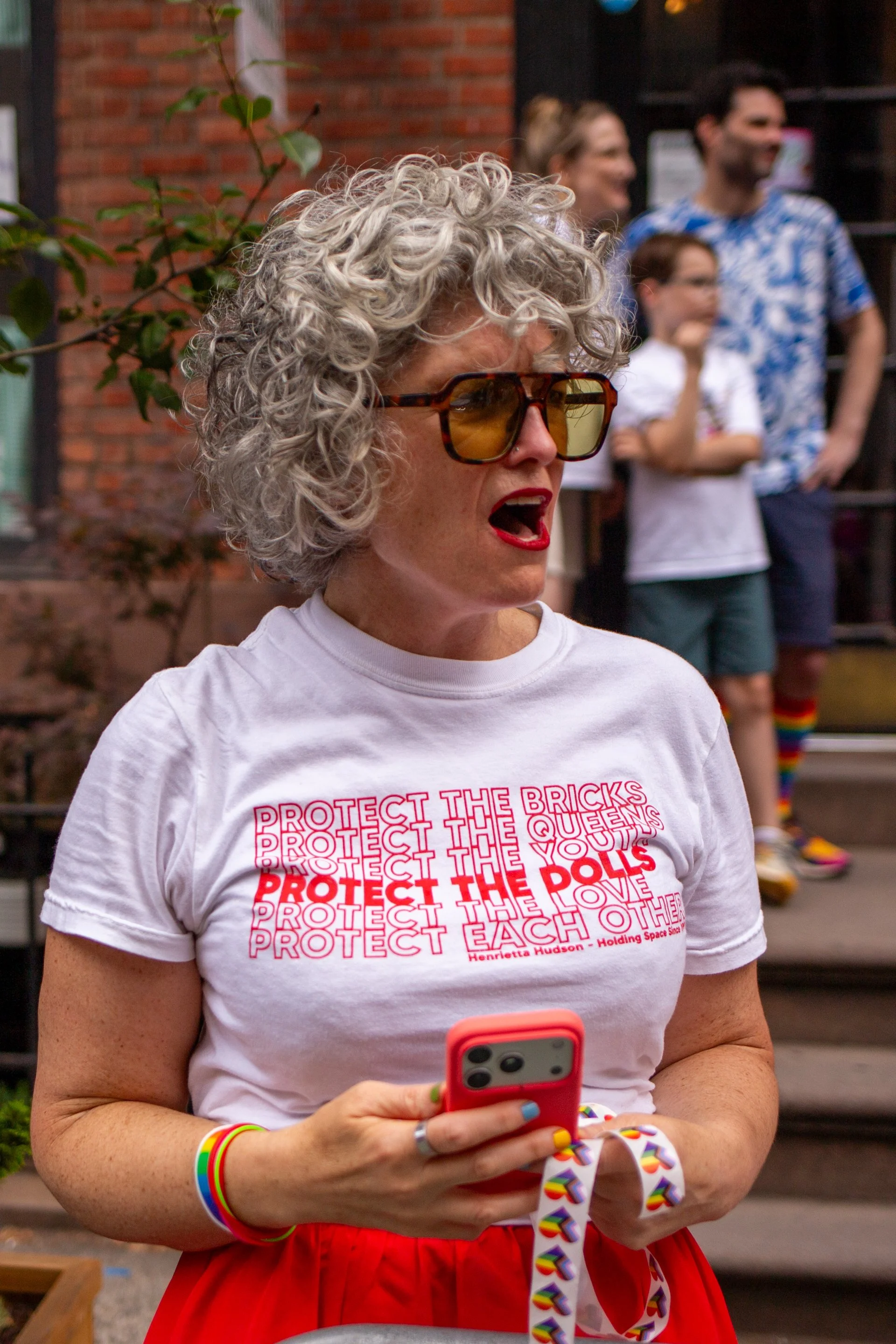
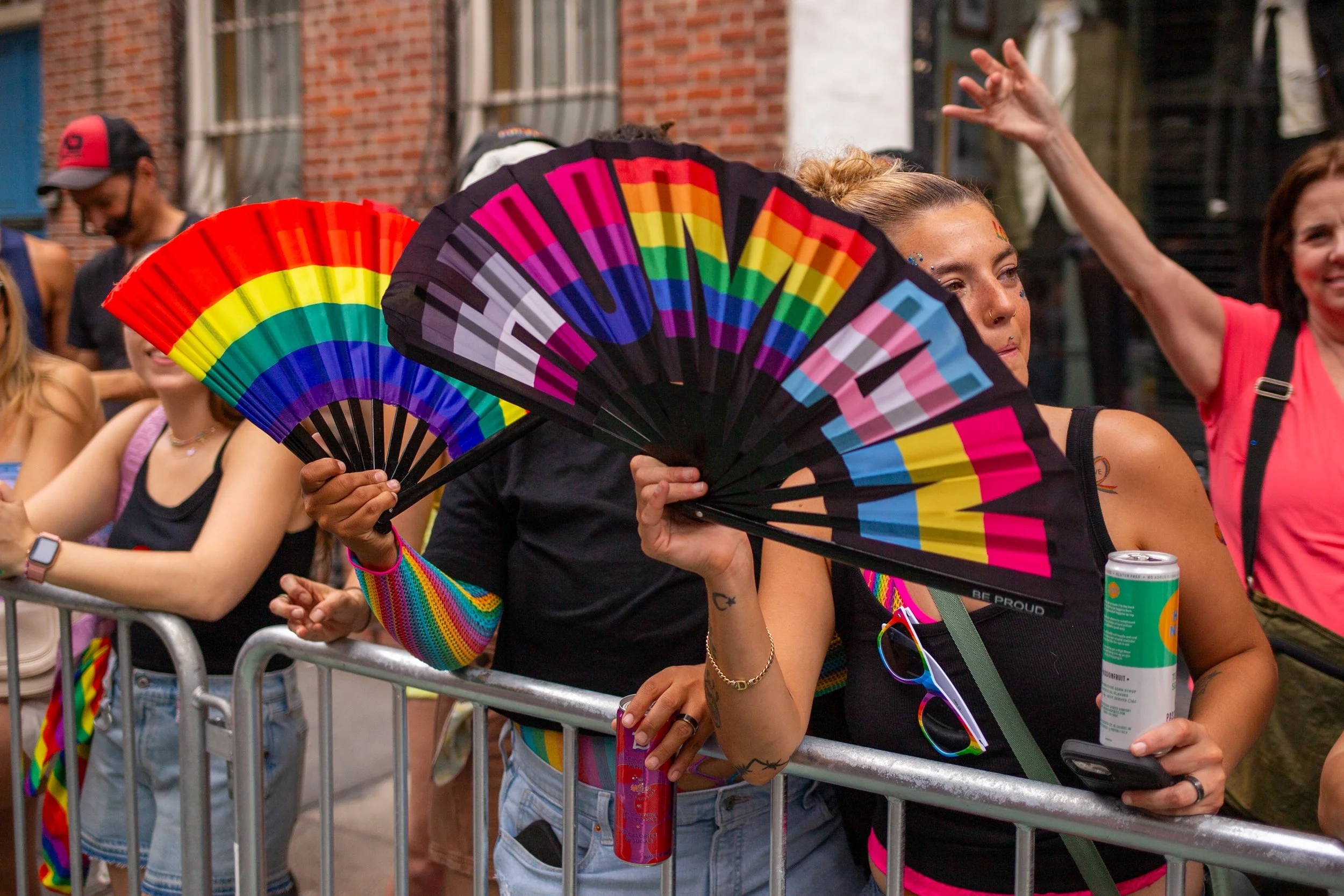
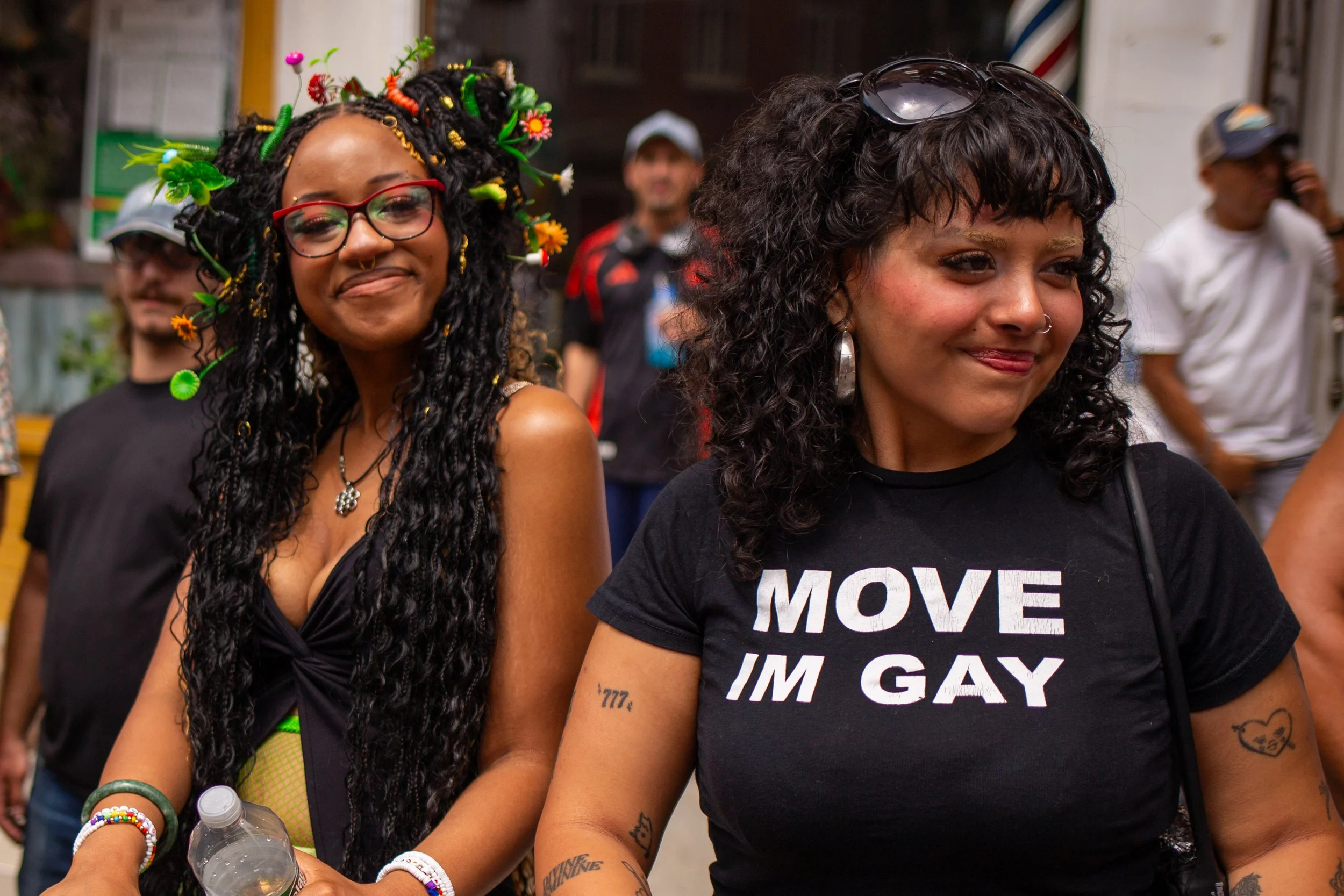
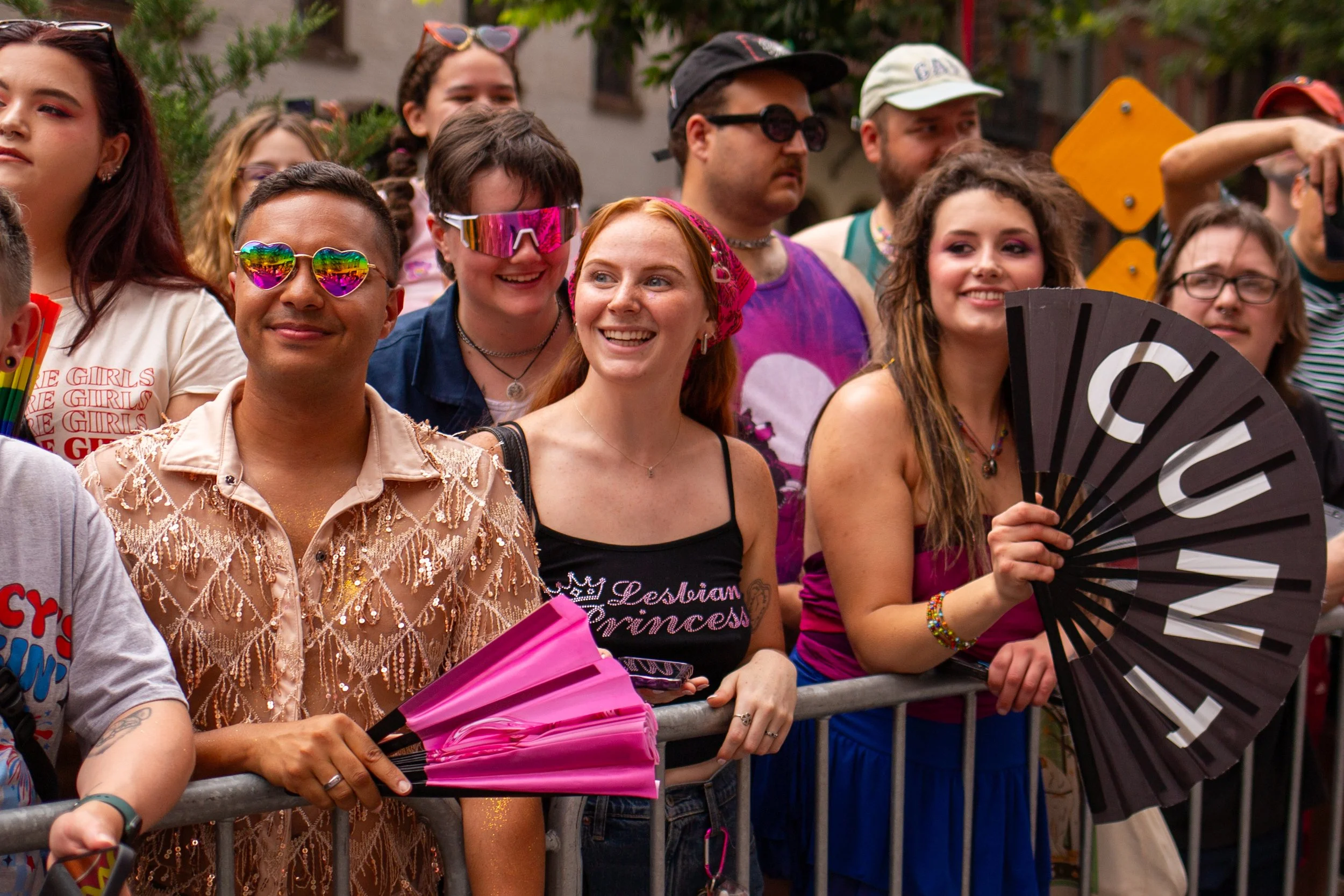
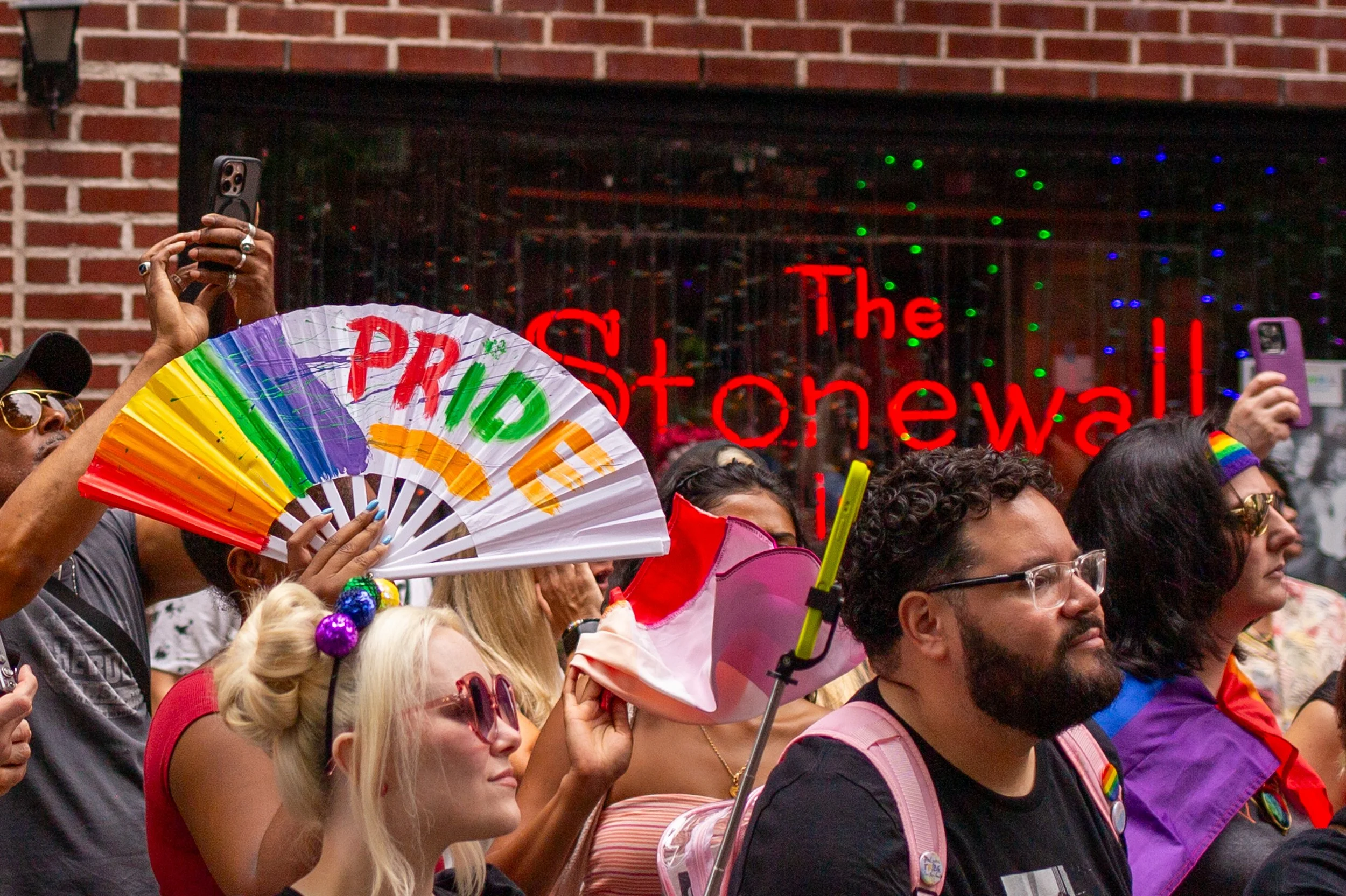
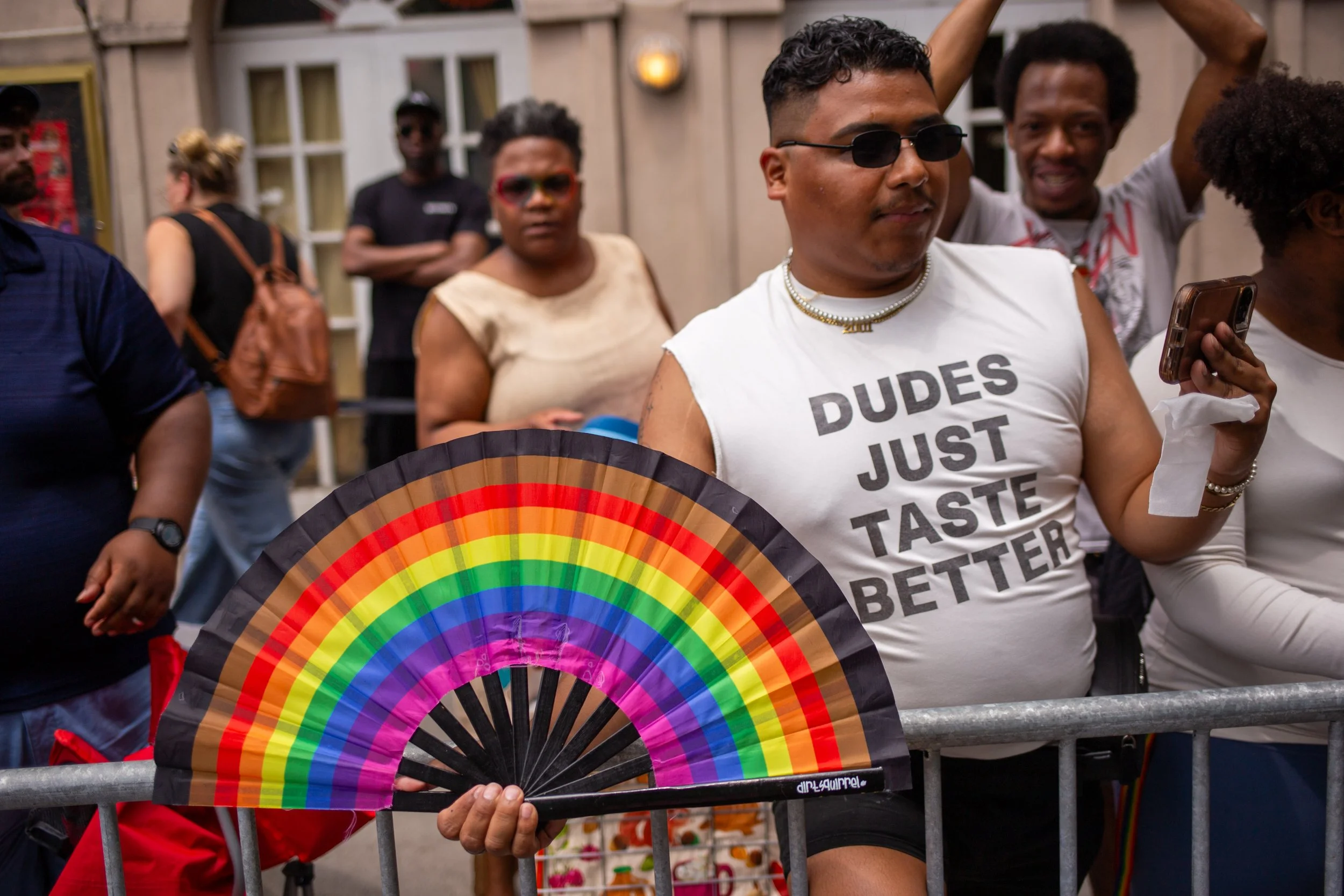
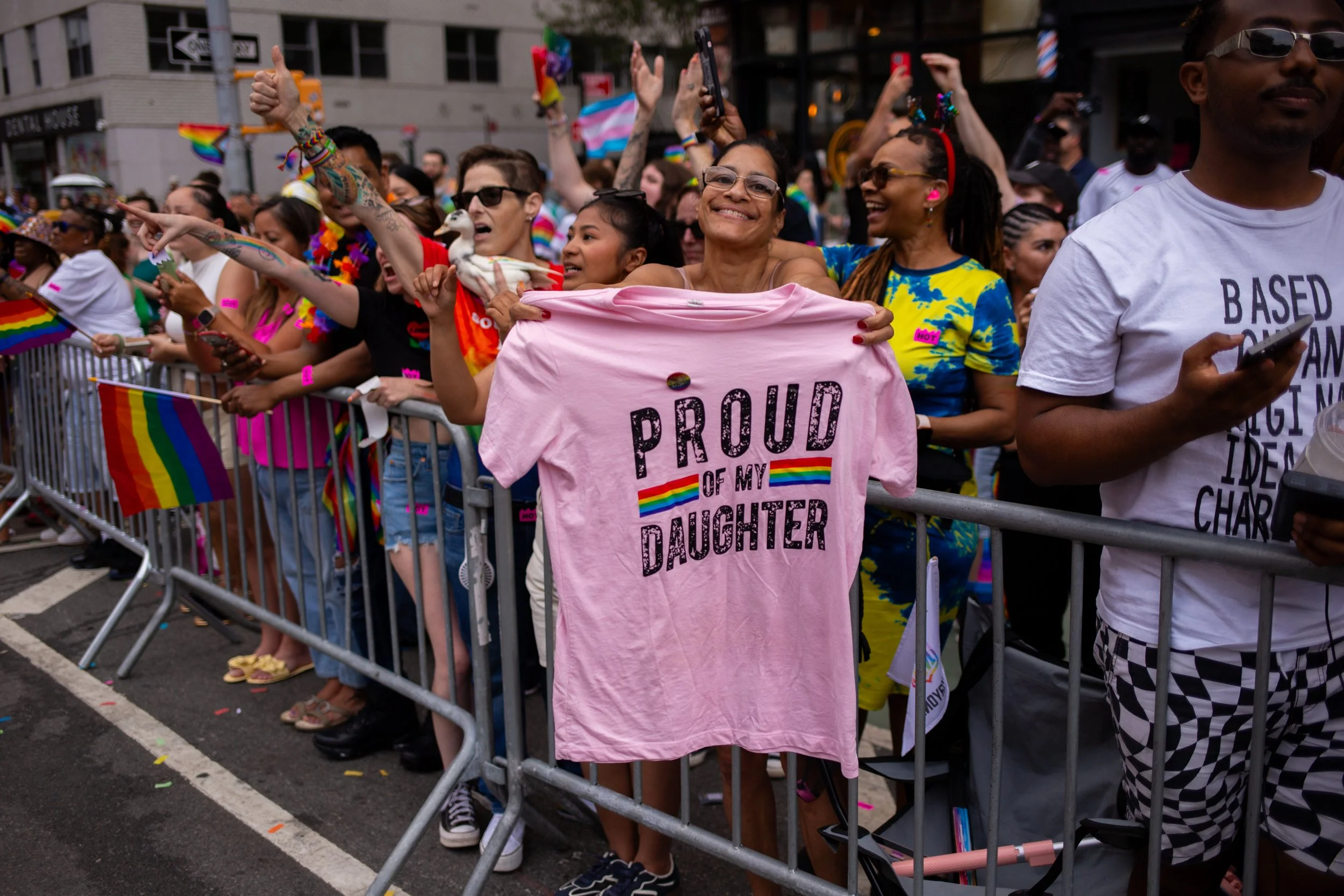
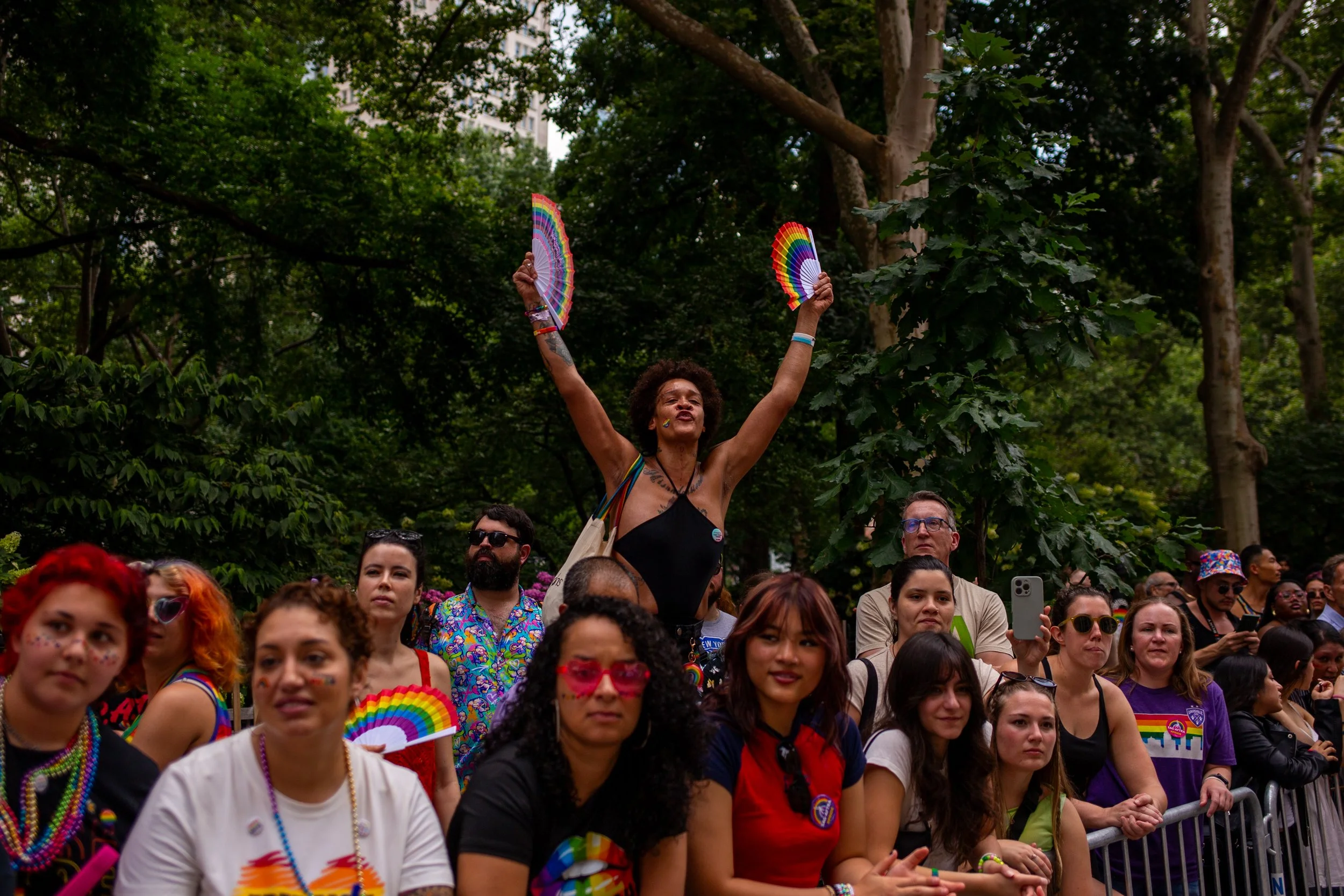
The best part about being in front of Stalter and her entourage was watching people in the crowds lose their minds when they saw her. I’ve always been much more comfortable behind the camera than in front of it, but I really enjoy being in parades for this very reason; I am just as fascinated by the spectators as the parade participants themselves (sometimes much more so), and it felt like such a privilege to get to bask in the happiness and excitement—and capture it when I was quick enough—that followed Stalter along the entire route.
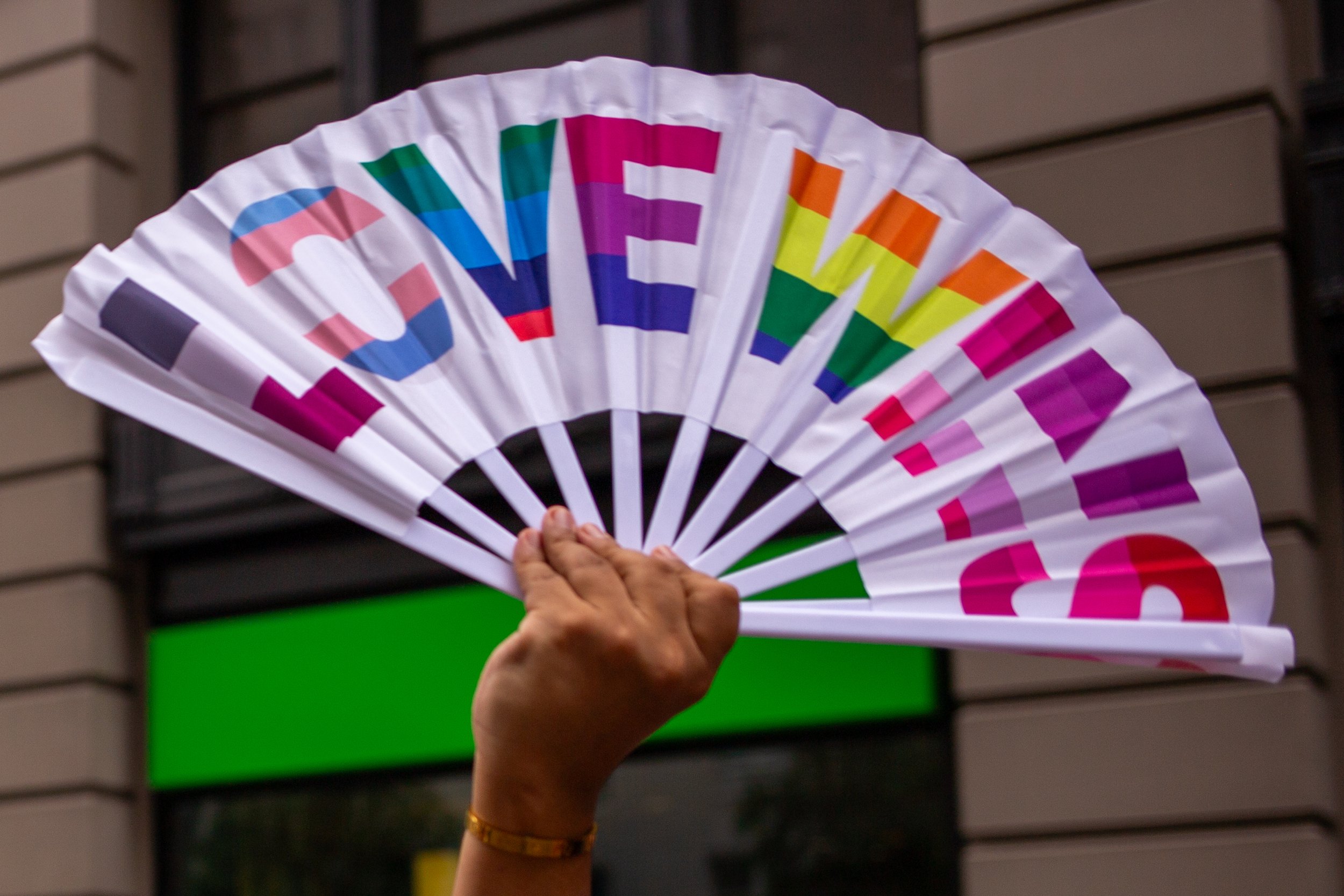
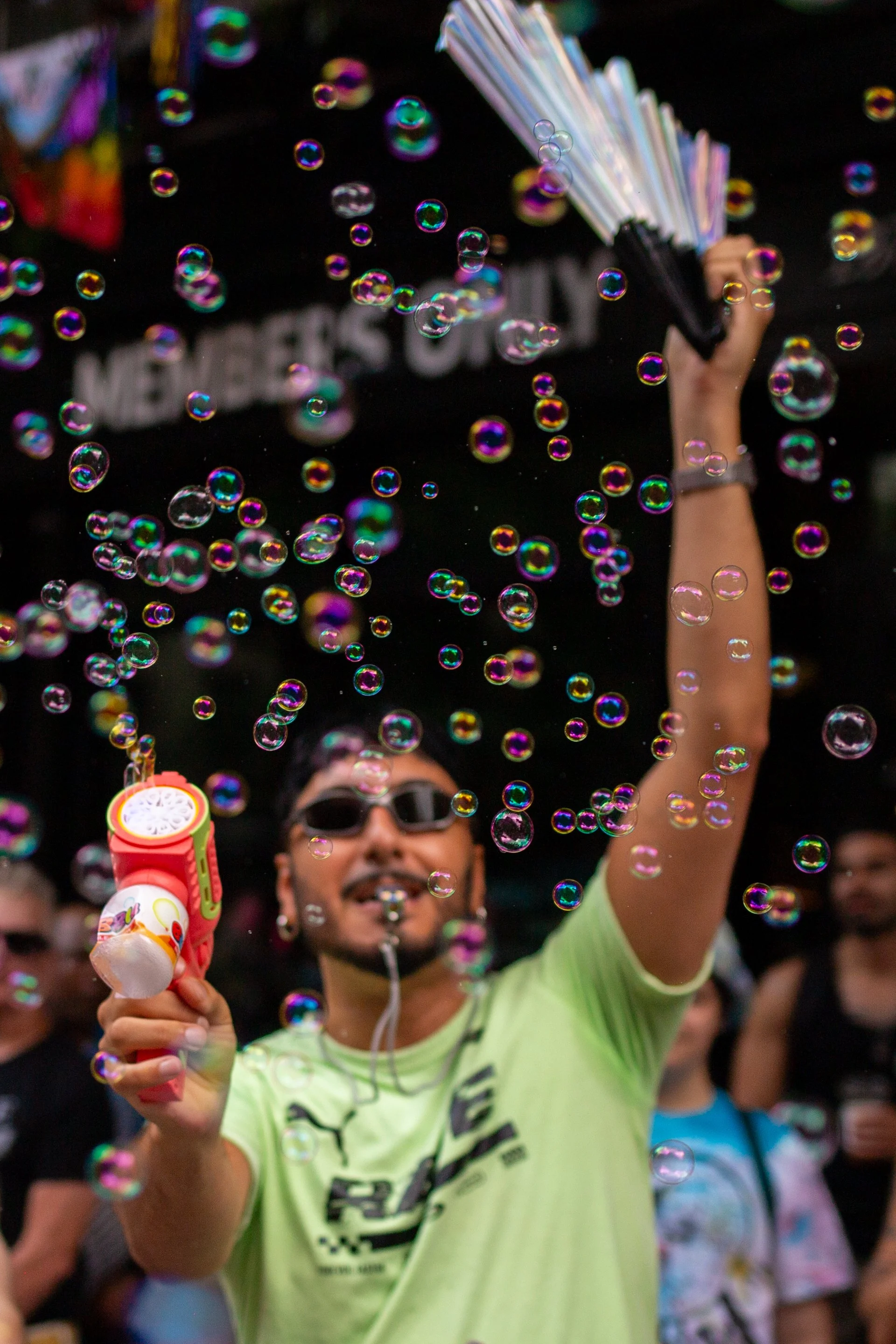
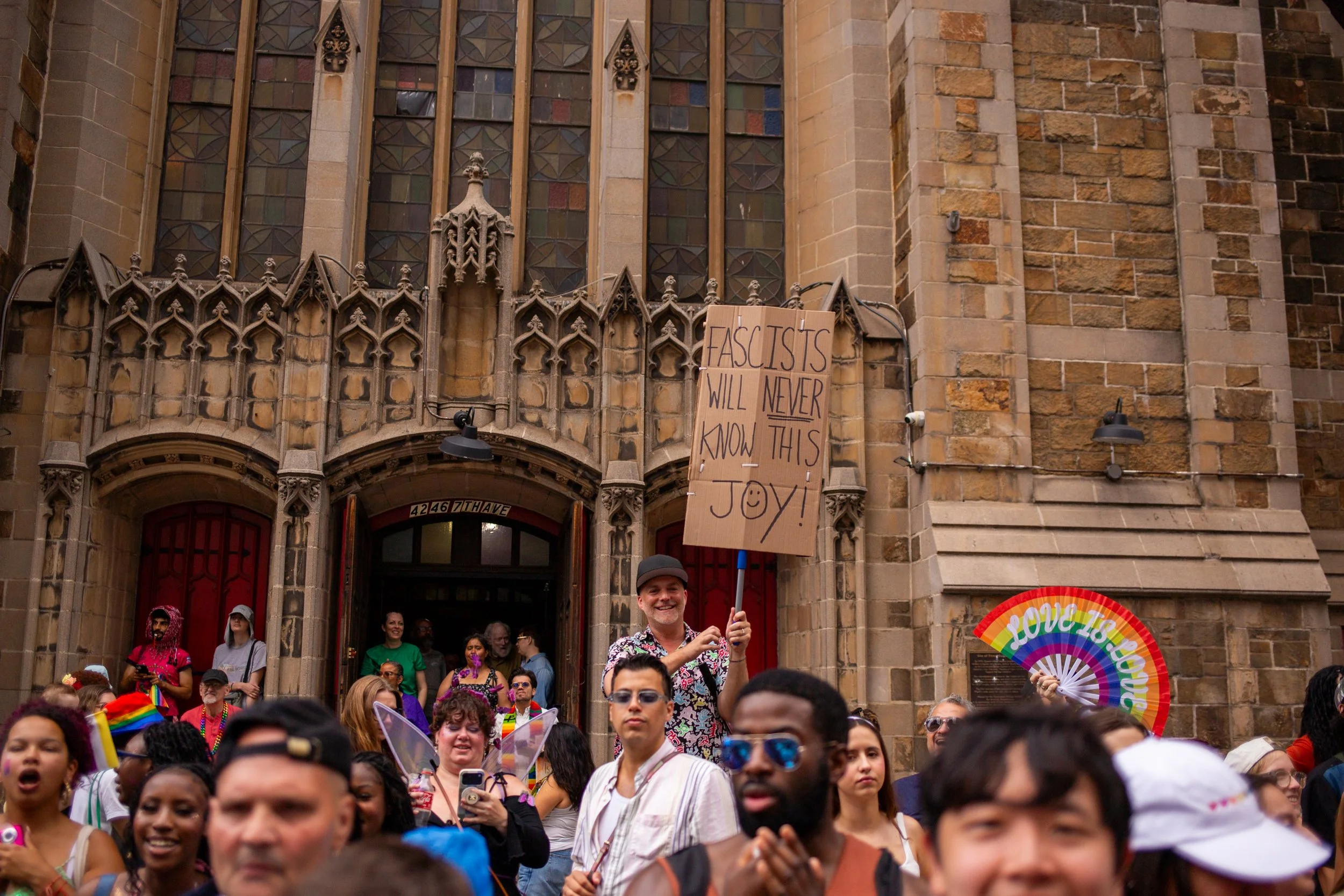
On a broader level, that infectious joy is the main reason I love pride celebrations so much. I can’t imagine how miserable you have to be to look at all of the exuberance and beauty on display at pride and think it’s somehow a bad thing that needs to be hidden or banned entirely.
I wish every queer person—including younger me—could feel as loved and free as I did photographing this parade.